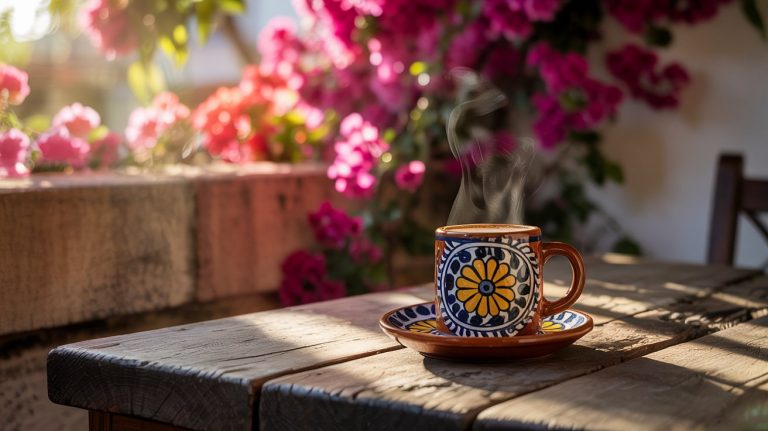
There’s something about that tiny, dark shot of espresso that can feel like a personal VIP pass to more energy. You pop into your favorite café, order a quick espresso, and suddenly you feel equipped to tackle your to-do list. But what actually makes this concentrated coffee beverage so special?
It all comes down to the unique way espresso is brewed. Espresso is prepared by forcing a small amount of near-boiling water through finely ground coffee beans at high pressure. That process results in a delightfully strong and layered flavor that’s more intense than a standard drip coffee. It also tends to deliver a notable kick—in part because caffeine in espresso beans is extracted quickly by the high-pressure method.
You’ll usually notice a layer of crema on top of a freshly pulled shot. Crema is that thin, golden-brown foam formed by the oils in the coffee and the carbon dioxide that comes from brewing. While crema is often considered the signature sign of a good espresso (it indicates fresh beans and proper technique), many folks love to swirl it in or scoop it off, depending on personal preference.
A quick espresso origin story
Espresso isn’t a different type of coffee bean, but rather a method that originated in Italy around the early 20th century. Industrial workers wanted a faster way to get a coffee fix before work, so coffee pioneers developed machines that used steam pressure to brew coffee in mere seconds. As this method evolved, it turned into the high-pressure extraction process we have today.
- Early espresso machines were massive and required regular upkeep and skillful operation.
- Over time, advancements made espresso machines more compact, user-friendly, and consistent.
- Today, home espresso machines allow you to pull café-style shots right in your own kitchen.
Espresso beans vs. regular coffee beans
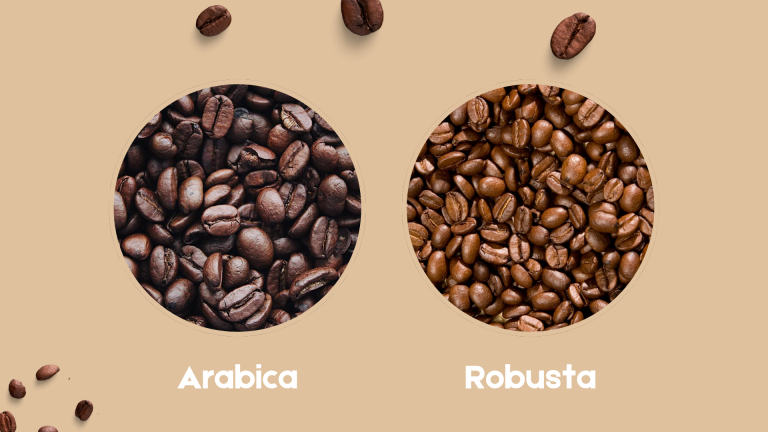
While any coffee bean can be used to make espresso, some roasters develop specific blends for espresso brewing. These beans are typically roasted a bit darker to balance out the strong flavor brewed under pressure. The darker roast helps bring out qualities like chocolatey or caramel notes, and you might find they mix perfectly with milk—ideal for lattes and cappuccinos.
Notice caffeine in espresso beans
You might be wondering, does an espresso shot pack more caffeine than other coffee styles? That’s where things get a bit interesting. If you compare a single shot of espresso to a standard eight-ounce cup of drip coffee, the drip typically contains more total caffeine. However, per ounce, espresso is typically higher in caffeine because the extraction process is so concentrated.
When we talk about “caffeine in espresso beans,” it can be a little confusing, because caffeine content depends on how beans are roasted, how they’re ground, and how the espresso is pulled. Typically, one shot of espresso (about one ounce) has around 63 milligrams of caffeine. A typical eight-ounce cup of regular drip coffee might have about 95 milligrams. In some cases, you might find that your favorite local café’s espresso has slightly different numbers—brewing variables like water temperature, pressure, and dose can influence caffeine extraction.
Why the buzz feels stronger
If you’ve ever taken a sip of espresso and felt an immediate surge of alertness, you’re not imagining things. Espresso is consumed quickly, so you experience a fast jolt of caffeine compared to sipping a large cup of drip coffee over half an hour. Plus, the robust flavor of an espresso shot itself can deliver a mental cue that something powerful is happening.
- Espresso is often served in small, concentrated quantities.
- The quick consumption can create a faster perceived caffeine hit.
- Strong taste cues your brain to anticipate an energy boost.
Balancing strength and flavor
While caffeine in espresso beans tends to be extracted at a high concentration, you still have some control over how strong or mild your shot tastes:
- Grind size: A finer grind typically slows water flow, increasing extraction of both flavors and caffeine.
- Brew time: A standard espresso brews in about 20–30 seconds. Longer shots can extract more compounds, but risk bitterness.
- Roast level: Darker roast shots can have a “smoother” feel even though caffeine levels may not differ drastically from lighter roasts.
If you prefer a slightly milder experience, you can opt for a “ristretto” shot—where baristas reduce the water flow to concentrate flavor without over-extracting. Conversely, a “lungo,” which uses more hot water over a slightly longer duration, may taste less concentrated yet still deliver a nice kick.
Explore health benefits and cautions
You’ve likely heard about all sorts of health claims related to coffee, from preventing certain diseases to inspiring superhero-like energy. While coffee, including espresso, can indeed provide notable benefits, it’s not a cure-all. There are legitimate perks to moderate espresso consumption, but there are also a few reasons to keep an eye on how much you drink.
Potential health perks
- Antioxidants: Espresso is teeming with antioxidants, such as chlorogenic acid, which can help combat oxidative stress in your body.
- Mental performance: For many people, a shot of espresso can enhance alertness and improve mood. This is especially helpful when you’re up against a tight deadline.
- Physical performance: Some athletes enjoy a small boost in endurance or power during workouts when they have a little caffeine beforehand.
- Appetite control: The rich taste of espresso may curb your appetite temporarily. Some folks notice they feel fuller after a shot.
Possible downsides
- Sleep disruption: If you’re sensitive to caffeine or have it too close to bedtime, you might experience restless nights.
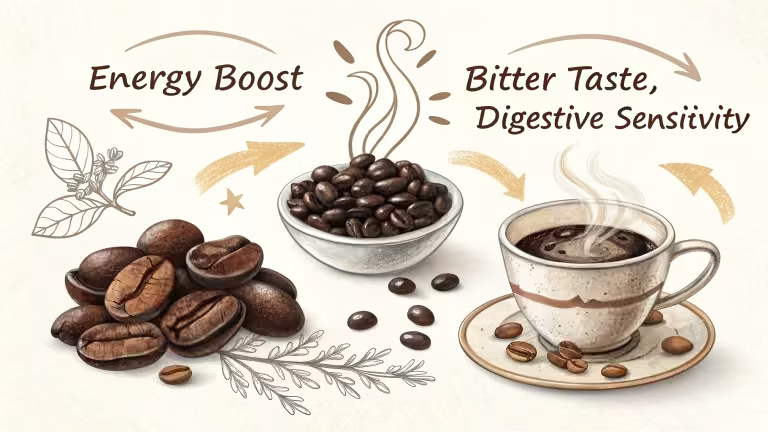
- Anxiety or jitters: In higher doses, caffeine can make you feel jittery or anxious. If you’re prone to anxiety, keep your espresso intake moderate.
- Acid reflux: Coffee is acidic, and espresso is quite concentrated. If reflux or heartburn is a concern, consider spacing out your caffeinated beverages and drinking water alongside your espresso.
- Dependency: Regular or excessive consumption can lead to physical dependency, so skipping your usual shot might result in a withdrawal headache.
Assessing your own tolerance
Caffeine tolerance varies widely from person to person. One shot might be perfect for you, while your friend might be able to handle a triple shot and still sleep like a baby. Pay attention to how your body responds. If you feel jittery or anxious, dial down your espresso routine. On the other hand, if you enjoy a robust shot in the morning and still wind down smoothly at night, you might have a higher tolerance.
Try smart espresso consumption tips
Finding the right espresso routine is all about striking a balance. You want a burst of energy, but you don’t want to derail your sleep or leave your stomach feeling sour. Here are a few ways to keep your espresso habit squarely in the “enjoyable” zone.
Tip 1: Pair it with water
One great trick is to drink a glass of water before or after your shot. Espresso’s concentrated nature can be harsh on an empty stomach, so a little hydration can help offset any potential discomfort. Many cafés in Europe will serve water alongside your espresso for this exact reason.
Tip 2: Time it wisely
Try to avoid espresso too late in the day if you have trouble sleeping. Some people cut off caffeine around mid-afternoon, while others might be fine sipping one after dinner. You know your own body best—if you notice that even a little caffeine close to bedtime keeps you awake, shift your coffee break earlier.
Tip 3: Adjust your shot size
Not all shots are created equal. Some cafés serve “single” shots that are actually closer to a double volume. If you’re sensitive to caffeine, you might want to clarify what size shot you’re getting. Alternatively, you can try a “half-caf” approach by mixing decaffeinated espresso beans with regular ones.
Tip 4: Explore milk-based options
A latte or cappuccino provides a gentler experience if you find straight espresso too strong. The milk (dairy or non-dairy) tends to smooth out the espresso’s intensity, and you can adjust the ratio to find your sweet spot. Keep in mind, though, that you’re still taking in the same base espresso shot, so the caffeine content won’t necessarily be lower—just more diluted with milk.
Tip 5: Mind your overall caffeine
If you’re a tea or soda drinker, remember that espresso isn’t the only caffeine source in your day. Pay attention to total intake: going over about 400 milligrams of caffeine daily (roughly four shots of espresso for an adult) can lead to unpleasant side effects. Always factor energy drinks, chocolate, and other hidden caffeine sources into your daily tally.
Compare espresso to other brews
We’ve looked at the caffeine in espresso beans and how that translates into a fast burst of energy in a small package. But how does espresso fare versus other commonly enjoyed coffee beverages?
Drip coffee
- Serving size: Typically 8–12 ounces or more
- Caffeine range: 95 to 200 milligrams per cup (depending on the roast and method)
- Flavor profile: Can be milder and more nuanced, with less intense concentrated coffee essence.
- Drinking style: Often sipped slowly, perhaps with plenty of cream or sugar.
French press
- Serving size: Can vary from 8 ounces to a whole carafe
- Caffeine range: Roughly similar to drip coffee but can be slightly stronger if steeped longer
- Flavor profile: Full-bodied and sometimes slightly gritty, with more oils retained from the beans.
- Drinking style: Takes a few minutes to brew, which allows for a relaxed ritual.
Cold brew
- Serving size: Often 8 ounces or more, sometimes diluted with water or milk
- Caffeine range: Typically high, but can vary depending on the steep time. Some brews exceed 200 milligrams in a cup.
- Flavor profile: Lower acidity, smoother taste, often sweet and chocolaty notes.
- Drinking style: Chilled, refreshing, sometimes sweetened or flavored.
Espresso shot recap
- Serving size: About 1 ounce per standard shot
- Caffeine range: Around 63 milligrams per shot, though can be higher or lower based on several factors
- Flavor profile: Extremely concentrated, robust, and often layered with rich aromas
- Drinking style: Consumed quickly, sometimes mixed into other beverages like lattes or mochas
By comparing these options, you’ll see that espresso is relatively moderate in total caffeine per serving, yet dense in caffeine by volume. Drip coffee might contain more total caffeine in a standard cup, but you typically sip it slowly. Espresso offers a quick, intense flavor plus a nearly instantaneous caffeine punch.
Understand myths and facts
Certain rumors swirl around espresso and caffeine. Maybe you’ve heard that a single shot of espresso has more caffeine than an entire pot of coffee, or that espresso is somehow less likely to cause jitters. Let’s set the record straight.
Myth 1: Espresso means extra caffeine in every sip
A single shot of espresso is more concentrated in flavor, but not necessarily higher in total caffeine than a full mug of coffee. Per ounce, espresso often has more caffeine, but you’re also consuming far fewer ounces. So, if you’re only taking a single shot, you might actually be ingesting less caffeine overall than someone with a giant to-go cup of drip coffee.
Myth 2: Dark-roast beans are the strongest
Strangely enough, dark roasts can sometimes have slightly less caffeine than lighter roasts. The roasting process can reduce the caffeine content slightly, although the difference isn’t usually extreme. A “light” roast bean might be denser in caffeine, but the flavor profile can taste brighter and more acidic.
Myth 3: Espresso is bad for your health
Moderate espresso consumption is generally considered safe and can even be associated with certain health benefits, such as improved mental focus and potentially reduced risk of some diseases. Of course, “moderation” is key—if you guzzle triple shots all day, you risk negative effects like anxiety, restlessness, or disrupted sleep.
Fact: Espresso quality depends on technique
Your barista’s skill and the tools used can greatly impact your espresso. Over-extraction leads to bitterness, while under-extraction can result in a sour or sharp flavor. So yes, if you want that perfect shot, factors like bean freshness, water temperature, pressure, and extraction time all matter.
Embrace variety in espresso-based drinks
If you love the purity of a single shot, that’s fantastic. But you might also enjoy experimenting with classic espresso-based beverages, each with its own ratio of milk, foam, or flavorings. Here are some favorites you can try at home or when you’re out at your local coffee spot.
The latte
- Recipe: One or two shots of espresso plus steamed milk and a small layer of foam on top
- Flavor: Creamy and mild, great for pairing with flavored syrups
- Why try it: Perfect if you want a smooth, milky drink that’s sweet or indulgent without spiking your caffeine too high
The cappuccino
- Recipe: Equal parts espresso, steamed milk, and milk foam
- Flavor: Stronger espresso taste than a latte, but still balanced by milk
- Why try it: If you like a bolder shot of coffee but still appreciate a fluffy, airy texture
The macchiato
- Recipe: A single or double shot of espresso with just a dollop of steamed milk foam
- Flavor: More intense espresso character, lightly softened by foam
- Why try it: Ideal if you typically go for a straight shot but want a little smoothness
The americano
- Recipe: Espresso diluted with hot water
- Flavor: More like a traditional drip coffee, but can have a slightly richer taste
- Why try it: Delivers the convenience and flavor of espresso, but in a larger volume you can sip slowly
The mocha
- Recipe: Espresso, steamed milk, and chocolate syrup or cocoa powder, topped with whipped cream (optional)
- Flavor: Sweet, chocolaty, and indulgent, with a coffee undertone
- Why try it: Coffee-meets-dessert scenario, perfect for satisfying your sweet tooth
Manage your espresso routine for wellness
No matter how addictive that aromatic shot might be, it’s good to keep wellness in mind. A daily espresso habit can fit seamlessly into a healthy lifestyle, especially when you’re mindful of moderation and how your body responds.
Pair espresso with a balanced diet
Espresso alone won’t provide nutrients like protein or fiber, so consider enjoying it alongside nutritious snacks or meals. For example, pair your morning shot with oatmeal or an energy bar. If you prefer a latte, swap in a nutrient-rich milk alternative like oat or almond milk. These subtle changes help you create a more balanced intake.
Stay hydrated
Coffee—espresso included—can have a mild diuretic effect, meaning it might make you need the restroom more often. To avoid any issues, keep a water bottle handy throughout the day. You’ll enjoy that espresso even more when you’re well-hydrated.
Track your consumption
Caffeine can sneak its way into many drinks and foods. If you’re serious about monitoring your intake, keep a brief log of your daily coffees, teas, sodas, and even supplements that might contain caffeine. You might be surprised at how quickly the milligrams add up—knowing your daily total can help you see where to cut back if needed.
Recognize when enough is enough
Listen to your body’s signals. If you notice elevated anxiety, restlessness, or a racing heartbeat, it might be time to scale back. A single shot in the morning or midday might be ideal, while three or four shots could push you into the overcaffeinated zone if you’re sensitive.
Examine espresso’s role in your lifestyle
Maybe you’re a coffee lover, but you also prioritize general fitness or a balanced diet. Espresso can fit nicely into many healthy routines, due in part to its concentrated size—not to mention that it often contains fewer calories than sugary coffee beverages. For fitness enthusiasts, that tidy shot before a workout might lift your energy enough to squeeze in a few extra reps.
Espresso for busy professionals
When time is precious, espresso is quick and convenient. You can brew it in under a minute on a home machine or grab one on the go. That said, balancing your caffeine habit with a proper lunch (and enough water) ensures steady energy instead of mid-afternoon crashes.
Espresso for students
Pulling an all-nighter might seem like a rite of passage. However, a small, steady intake of espresso throughout the study session is usually better than chugging multiple cups late into the night—especially when you need quality rest to retain knowledge. Also, consider your personal sleep schedule. If you can’t handle caffeine after 4 p.m., plan your espresso breaks accordingly.
Espresso for baristas
If you work as a barista, you know that taste-testing your espresso shots is part of the job. There’s an art to dialing in the grind, water temperature, and shot time to produce that ideal crema. By practicing moderation, you can hone your skill without bouncing off the walls.
Find the ideal equipment
If you’re excited to explore caffeine in espresso beans at home, you’ll need the right tools. Fortunately, you can start with tighter budgets or go all-in on premium gear, depending on your enthusiasm.
Manual espresso makers
Devices like the classic stovetop Moka pot or handheld espresso presses deliver a concentrated coffee that some call the “poor man’s espresso.” While it’s not true espresso in the strictest sense (they don’t build the same pressure as an espresso machine), they can still produce a strong, delicious coffee-like shot at a budget-friendly price.
Semi-automatic machines
These machines let you control elements like grind size, tamping (pressing the coffee grounds evenly), and shot timing. It’s an excellent middle ground if you want the barista feel without a fully manual process. Learning to adjust the settings may take some practice, but it’s part of the fun.
Fully automatic or super-automatic machines
For those seeking convenience, these machines handle nearly everything. You often slide in beans, press a button, and get a shot of espresso in seconds. While it can be pricey, this option is perfect for anyone wanting café-level espresso without having to learn the finer points of pulling shots.
Grinder considerations
A burr grinder is essential if you truly want to dial in perfect espresso extraction. Blade grinders can result in uneven particle sizes, leading to inconsistent tasting shots. Burr grinders create uniform grounds, giving you better control over the extraction and, of course, that lovely caffeine content.
Wrap up your espresso insights
Caffeine in espresso beans is a fascinating topic that combines culinary craft with a little bit of science. You’ve now explored how espresso stands apart from other brews, the health benefits and potential downsides, and ways to make espresso fit seamlessly into your busy life. Learning about grind size, roast levels, and ways to manage your daily caffeine intake helps you extract more value from each little cup.
Whether you crave the direct impact of a single strong shot, or you prefer a milky latte to sip over a chat with friends, espresso can be a delightful part of your routine. Remember, moderation is the key word—especially if you want to keep enjoying that rich, intense flavor without losing sleep or feeling jittery. From brewing tips to smart consumption strategies, your espresso experience can be as unique as you are.
Why not take a moment to experiment? Try a different roast or even a variation on your usual shot, like a ristretto or lungo. Or, next time you’re in your local café, chat with your barista about the beans they use. They might have insights on sourcing or roasting that deepen your appreciation for this compact coffee experience.
Ultimately, espresso is about savoring the moment. That short, bold shot invites you to pause, taste the layers of flavor, and feel the immediate warmth of the cup in your hand. In a busy day, that little pause can be a small gift you give yourself. Enjoy it, tweak the details to suit your taste and tolerance, and you’ll find that the world of espresso is both inviting and endlessly enjoyable.