If you’ve ever wondered, “Does espresso have more caffeine than coffee?” you’re not alone. Most coffee lovers drink espresso for its bold kick, while others reach for a classic drip brew, assuming it’s the stronger option. Which one really packs the bigger jolt? The short answer: it depends on how you measure.
Before you toss out your usual morning cup, let’s get into the details. In this article, you’ll learn how espresso differs from drip coffee, why the caffeine content isn’t always what you expect, and how to pick the best option for your buzz level and overall health.
Understanding caffeine basics
You already know caffeine is the pick-me-up in your morning mug. But how does it actually work, and why is one coffee type sometimes more energizing than another?
Caffeine boosts alertness by interacting with your brain’s adenosine receptors (which influence sleepiness). When caffeine blocks those receptors, you remain more awake and focused. However, every bean and brewing process extracts caffeine a bit differently.
Where caffeine comes from
Coffee beans come from the seeds of coffee cherries. The variety of the coffee plant (like Arabica or Robusta) heavily influences its natural caffeine levels. Robusta tends to have nearly double the caffeine of Arabica, although it’s less common in specialty coffee shops. Beyond bean type, factors like roast level, grind size, and brewing method all affect how much caffeine ends up in your cup.
Why espresso is unique
Espresso is special because it’s concentrated. Hot water is forced through finely ground coffee at higher pressure, producing a small yet potent shot with a distinctive crema (that tasty foam on top). This process aims to capture intense flavor quickly. Because espresso has so little water, you get the flavor and caffeine in a compact form.
Yet the total milligrams of caffeine in that single shot can be less than, say, a full 8-ounce cup of drip coffee. That’s why the question, “Does espresso have more caffeine than coffee?” is trickier than it seems.
Comparing espresso to drip coffee
It’s tempting to assume the bolder taste of espresso translates to way more caffeine. There’s definitely a concentration factor at play, but you need to look at actual numbers to set your expectations straight.
Typical caffeine levels
- A single shot of espresso (1 ounce) usually contains 30 to 70 milligrams of caffeine.
- An 8-ounce drip coffee averages around 80 to 120 milligrams (though it can go higher).
On a per-ounce basis, espresso does win. You might see 63 milligrams per ounce of espresso versus around 12 milligrams per ounce of drip. But total volume matters. A single shot, while strong, is only 1 ounce. By the time you’ve sipped a typical 8-ounce coffee, you’ve taken in a higher total caffeine amount, even if it may not taste as intense.
Flavor doesn’t always mean caffeine
Espresso’s robust flavor leads many people to think they’re consuming extra caffeine. In reality, the process extracts intense oils and solubles, which give the shot that signature taste. You do get caffeine more quickly, since it’s so concentrated, but it may not be as high as you’d expect if you only have one small shot.
On the other hand, a full cup of drip coffee is gentler in flavor, yet it can sneak in more total caffeine over a longer sipping period. If you’re comparing one shot of espresso to one entire cup of coffee, the coffee might still nudge your daily caffeine intake higher, simply because you drink more ounces.
Factors that influence caffeine content
It’s not just espresso versus drip. All sorts of brewing elements can affect the final caffeine total, including bean origin, roast level, grind size, and brew time. If you want to truly understand how much caffeine you’re getting, you should keep these factors in mind.
Bean type and origin
The plant variety always sets the baseline. Arabica is known for smoother flavor and lower caffeine levels, while Robusta has a heavier taste and higher caffeine potential.
Geography and growing conditions also matter. Beans grown at higher altitudes often develop denser profiles. However, it’s not a simple formula. Even small shifts in climate, processing methods, and storage can change caffeine levels.
Roast level
You might have heard the myth that dark roast coffee has way more caffeine than a light roast. Actually, the roasting process can slightly decrease caffeine content per bean. Lighter roasts generally retain a smidge more caffeine because they aren’t exposed to as much heat. Darker roasts lose more water weight, so if you measure your coffee by scoops (volume), you might end up with more beans per scoop of a dark roast, balancing the difference. This makes the “dark equals stronger” assumption a bit misleading.
Grind size and extraction
Espresso relies on a fine grind to allow pressurized water to pass through quickly. Meanwhile, drip coffee uses a coarser grind for a slower extraction. When coffee grounds are finer, more surface area is exposed, which can increase caffeine extraction.
That said, how long the water stays in contact with the grounds also plays a role. Drip coffee typically brews for a few minutes, allowing more time for caffeine to dissolve into the water, despite the coarser grind. Espresso brews in under 30 seconds, but the high pressure compensates for the shorter time.
Health considerations
Even if you’re a total coffee fanatic, you probably want to keep track of your overall caffeine intake. Understanding how each coffee style affects you can help you make better decisions about how much and when to drink.
Moderation matters
According to many health authorities, up to 400 milligrams of caffeine per day is often considered safe for most healthy adults. That’s roughly four or five small cups of regular coffee or several shots of espresso. But everyone’s sensitivity is different. If you notice jitters, trouble sleeping, or irritability, you might need to scale back.
Espresso’s fast-acting jolt
One unique aspect of espresso is how quickly you feel it. Because it’s so concentrated, that fast hit of caffeine can sometimes give you a rush or even a brief caffeine “high.” If you’re prone to feeling nervous after coffee, downing multiple shots of espresso in a short span might not be the best idea. Spacing out your intake can help.
Potential benefits
Both espresso and drip coffee can offer positive side effects. Moderate caffeine has been linked in some studies to increased alertness, improved cognitive performance, and even a lowered risk of certain diseases. However, overdoing it can lead to restlessness, anxiety, or elevated heart rate.
Myths and misconceptions
It’s easy to see why there’s confusion. A shot of espresso looks intense, is served in a tiny cup, and is known for its strong flavor. Meanwhile, a 12-ounce latte or a big mug of drip coffee seems milder. Let’s clear up the most common myths so you can sip smarter.
Myth 1: Espresso always has more caffeine
As soon as someone sees that dark, rich liquid, they assume it must be packed with caffeine. If you measure per ounce, yes, espresso is higher in caffeine density. But in total milligrams per typical serving, a standard drip coffee can come out ahead. So, don’t be fooled into thinking espresso inevitably sends you bouncing off the walls.
Myth 2: Dark roast is always stronger
The boldness in flavor doesn’t guarantee more caffeine. A lightly roasted espresso can easily contain as much or more caffeine than a dark-roasted drip brew. Roast level should mainly guide your taste preference, not necessarily your caffeine predictions.
Myth 3: More scoops, more power
Sure, adding extra coffee grounds generally increases caffeine content. But the effectiveness plateaus if your brew ratio becomes imbalanced. There’s a point where adding more coffee won’t extract properly, so you end up wasting grounds. Focusing on high-quality beans and consistent brewing methods is a better approach.
Crafting your perfect cup
Knowing the underlying science is helpful, but most of us just want to enjoy coffee in a way that fits our lifestyle. Maybe you thrive on the quick buzz of an espresso shot, or maybe you prefer to savor a big cup of drip coffee at your desk.
Tailoring to flavor preferences
- If you love the taste of espresso but worry about too much caffeine, opt for a single shot in your latte rather than two.
- If you’re a fan of strong drip coffee, choose a medium or light roast and brew it mindfully so you don’t over-extract.
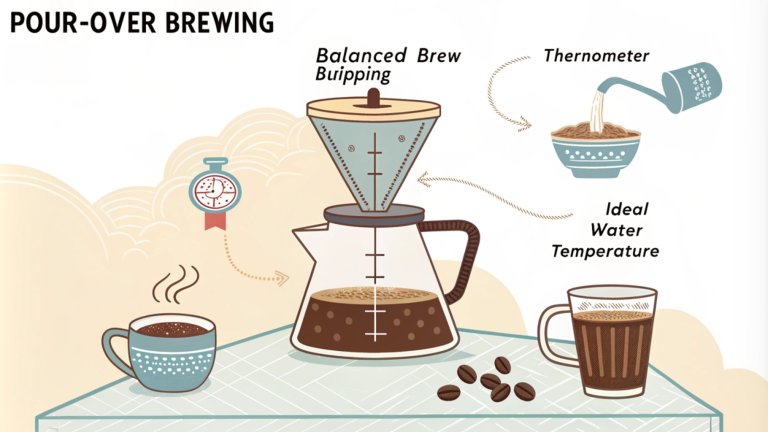
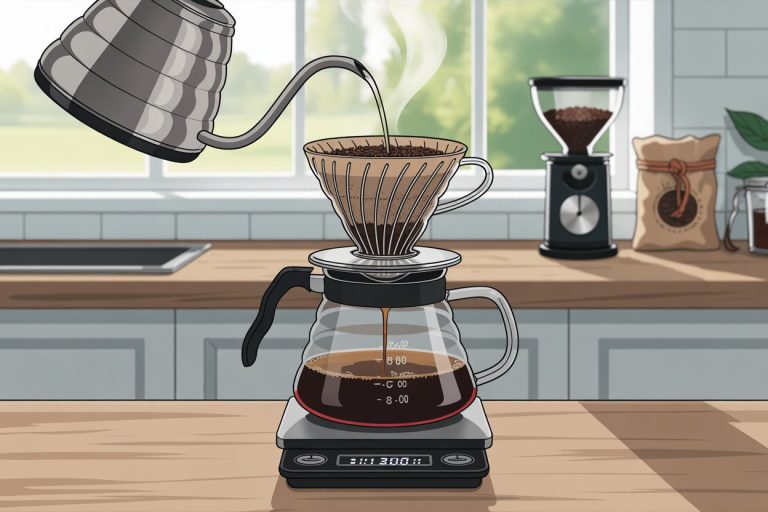
- If variety is your thing, experiment with cold brew or pour-over methods to see if they offer the balance you’re after.
Timing your intake
- Drink coffee earlier in the day if you’re sensitive to insomnia or jitters.
- Space out multiple espressos, especially if you notice feelings of nervousness.
- Consider dialed-back caffeine options, like half-caf or a smaller pour, after midday.
Managing total consumption
Think of your daily caffeine budget like any other nutritional limit. Whether you favor espresso or drip, keep track of how many shots or cups you’re having so you don’t exceed your comfort level.
Espresso vs. coffee in different lifestyles
Not all coffee drinkers are alike. You may be a busy professional, a student pulling late study sessions, a fitness enthusiast trying to optimize workouts, or simply someone who can’t resist a perfect latte foam. The choice between espresso and regular coffee usually depends on your daily pace and personal goals.
Rushing out the door
If time is tight, a quick espresso shot can be your best friend. It’s fast to brew on an espresso machine and just as quick to drink. You still get a concentrated caffeine boost without waiting forever for a pot of coffee to finish dripping.
Casual sipper
If you like to sip, chat with a friend, or work slowly through your to-do list, a mug of drip coffee might be more satisfying. You’ll get a mellow infusion of caffeine over a longer period. That can help avoid sudden energy crashes or jitters.
Workout booster
Espresso is often lauded by fitness enthusiasts who want a concentrated, pre-workout pick-me-up. However, a mild cup of coffee can also do the trick. Some research suggests caffeine intake before exercise may enhance endurance. Whether an espresso shot or a regular cup is better might come down to what your stomach tolerates and how quickly you need that energy.
Addressing health and wellness concerns
Beyond just the caffeine content, you might wonder about the overall health impact of coffee in general. While research findings can vary, the general consensus is that moderate coffee consumption doesn’t pose significant health risks for most people.
Acidity and digestion
Espresso is often perceived as harsher on the stomach. Surprisingly, it can sometimes be slightly gentler, thanks to the shorter extraction time. Drip coffee may end up more acidic if brewed poorly or if you use certain beans. If you suffer from acid reflux or sensitive digestion, experiment with different roasts and brewing methods to find what works best.
Blood sugar and diet
Black coffee, whether espresso or drip, has virtually no carbs or sugar. The bigger concern is all the additions. If you consistently add syrup, whipped cream, or sweeteners to your coffee drinks, you’re upping calories and sugar intake. Keep an eye on what else goes into your cup if health is top of mind.
Sleep quality and stress
Individuals have varying tolerances for caffeine, so there’s no one-size-fits-all rule. Caffeine can stay in your system for hours. If you’re sensitive, skipping that late-afternoon latte might mean the difference between a restful night and tossing and turning. Pay attention to how you feel, and adjust your coffee schedule accordingly.
Handy tips to maximize your coffee experience
- Track your daily caffeine. If you find yourself jittery or crashing, adjust by having fewer shots or smaller cups.
- Experiment with bean origin and roast profiles to discover combinations that taste better to you and feel gentler on your system.
- Use fresh coffee beans and the right grind size. A burr grinder often provides better consistency than a blade grinder.
- Clean your coffee equipment (coffee makers, espresso machines, filters) regularly to avoid buildup and off-flavors.
- Try mindful coffee sipping. Instead of grabbing coffee only out of habit, focus on the flavor and warm comfort it brings.
Possible variations in caffeine content
Below is a quick table showing approximate average caffeine ranges so you can compare the concentration of different coffee types. Keep in mind these are ballpark figures and can vary widely among brands and brews:
| Coffee Type | Typical Serving | Approx. Caffeine (mg) |
| Espresso Shot | 1 oz | 30–70 |
| Double Espresso | 2 oz | 60–140 |
| Drip Coffee | 8 oz | 80–120 |
| Cold Brew | 8 oz | 70–150 |
| Instant Coffee | 8 oz | 30–90 |
Remember, how you measure your coffee, whether you pack the grounds extra tight, and the specific beans you use can shift these numbers even more.
Putting it all together
So, does espresso have more caffeine than coffee? In total volume, a single shot of espresso generally contains less overall caffeine than a standard mug of drip coffee. But on a per-ounce basis, espresso is far stronger. The right choice for you hinges on your flavor preference, daily routine, and how tolerant your body is to caffeine.
At the end of the day, both espresso and drip coffee can offer a rich, enjoyable experience if you pay attention to your limits and the little details in brewing. Experiment with different beans and methods until you strike that perfect balance between taste and energy. You’ll soon have a customized approach that gives you the boost you want without extra jitters or sleepless nights.
Try starting tomorrow with a single shot of espresso if you’re curious, or swap your usual drip brew for a lighter roast. Finding out which style brings you the most enjoyment and focus will reveal your personal answer to the espresso-vs-coffee debate.
Key takeaways and next steps
- Espresso is more concentrated, but the total caffeine in a shot can be less than a full cup of drip coffee.
- Bean variety, roast, and grind all affect how much caffeine ends up in your cup.
- Pay attention to your body’s response. If you feel wired or restless, switch to smaller servings or gentler brewing methods.
- Don’t be misled by strong flavor alone. Checking caffeine content can help you manage your intake accurately.
- Whether you’re a student, a busy professional, or a fitness buff, choose the coffee style that aligns with your schedule and goals.
Curious to try something new? Grab a small bag of coffee beans you’ve never brewed before, and see if switching methods or roasts changes how you feel. Coffee should be enjoyable, so keep exploring until you find the perfect routine. Then pour that cup, take a sip, and savor all the aroma and energy that coffee has to offer.