Welcome to the fascinating world of coffee, where tiny roasted beans can pack a powerful punch. If you’ve ever wondered how much caffeine in coffee beans leads to that energizing feeling in your morning cup, you’re certainly not alone. We often talk about coffee as a single beverage, but it’s also a dynamic product influenced by bean type, roast level, and even the environment in which it’s grown. These factors can give you wildly different amounts of caffeine in every sip.
In this guide, we’ll dig into what caffeine actually is, why it occurs in coffee beans, and how you can manage your intake in a way that fits your lifestyle. After all, you want that caffeine boost, but you don’t want to overdo it. By the time you’re finished reading, you’ll be able to walk up to your local barista or head to the coffee aisle with a clear strategy, confident you’re choosing the right blend for your taste buds and your health goals.
Understanding caffeine basics
Defining caffeine
Caffeine is a natural stimulant commonly found in coffee beans, tea leaves, and cacao pods. This compound works by blocking receptors in your brain that typically receive signals of tiredness. When these receptors are blocked, you feel more alert, often for several hours. That’s why you reach for a cup of coffee in the morning—your body craves that wake-up call to start the day.
Beyond the energizing effect, caffeine can influence several other functions. It may boost your mood, sharpen your mental focus, or even promote muscle recovery under certain conditions. However, not everyone experiences the exact same effects, and your personal tolerance can rise or fall with changes in your habitual intake.
Natural defenses
Plants like coffee and tea produce caffeine to repel insects. It serves as a built-in defense mechanism. This explains why robusta beans, which are more frequently grown in lower-elevation or high-parasite environments, tend to contain more caffeine. The plant is basically gearing up to survive harsh conditions by packing in extra caffeine.
Bioavailability of caffeine
When you drink a cup of coffee, the caffeine is quickly absorbed into your bloodstream, usually in about 30 to 45 minutes. The effects can last anywhere from three to five hours, sometimes longer. Your liver then metabolizes caffeine. Genetics can affect how quickly you process it, which is why some of your friends might sleep comfortably even after a cup of espresso at dinner, while you might stare at the ceiling until dawn if you do the same.
Recognizing factors that affect caffeine
Bean variety
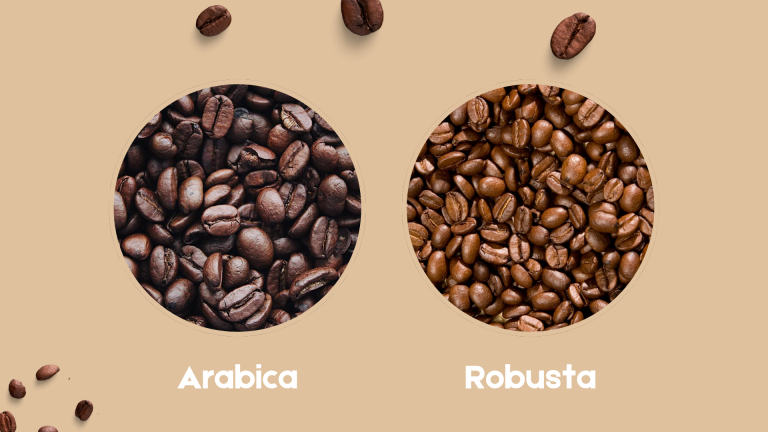
Arabica and robusta are the two coffee varieties you’ll see most often in stores or at your favorite cafés. Arabica beans typically have a smoother flavor profile, complete with subtle notes like chocolate or fruit. Robusta, on the other hand, is known for its stronger, more bitter taste. This bitterness correlates with higher caffeine, making robusta a go-to choice for instant coffee blends or espresso blends that aim for a bold kick.
- Arabica caffeine range: Roughly 1.2% caffeine by weight
- Robusta caffeine range: Around 2.2% (or even higher) by weight
Roast level
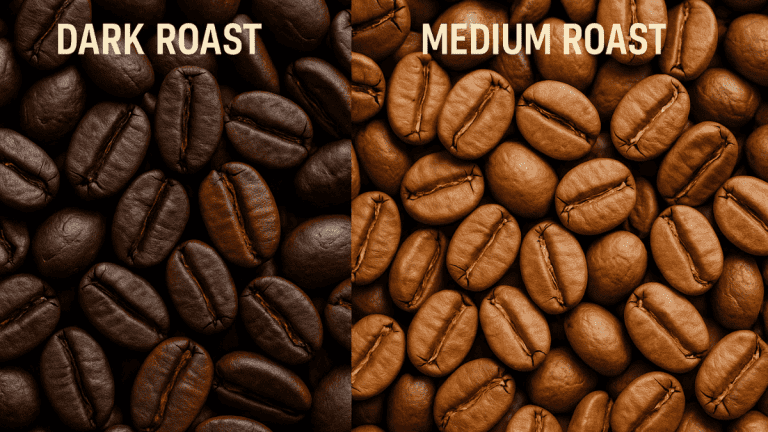
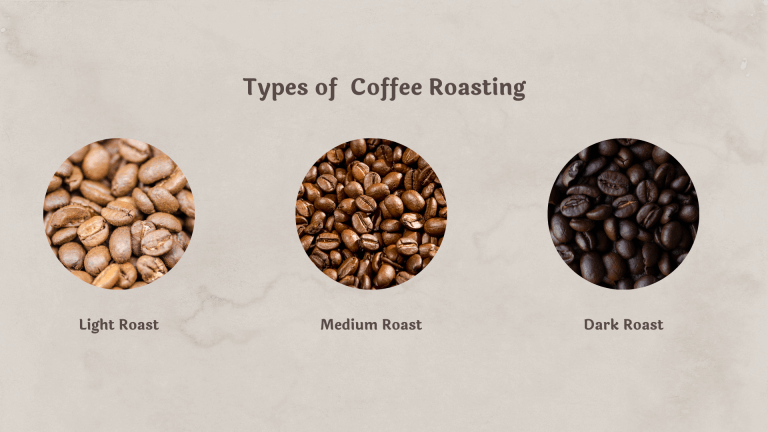
You’ve probably tasted everything from light roasts with bright acidity to dark roasts with a smoky or chocolatey aftertaste. Contrary to popular belief, dark-roasted beans do not necessarily have more caffeine. While roasting does reduce some water content, and the beans expand slightly, it doesn’t eliminate much caffeine. If you compare light and dark roasts by weight (not by scoop), the caffeine content is surprisingly similar. However, if you measure by volume (like scoops or tablespoons), lighter roasts can sometimes have a bit more caffeine because each bean is denser and smaller than a darker roast bean.
Brewing method
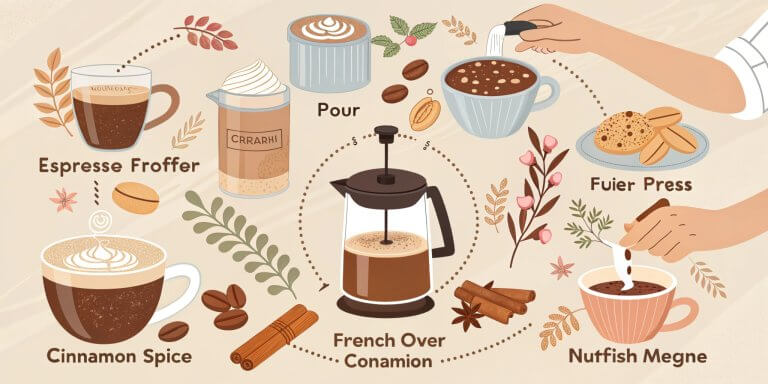
The way you brew your coffee can influence the caffeine content in your cup. Here are some common methods and how they affect your daily buzz:
- Drip coffee (auto brewer): Hot water passes through ground coffee at a steady pace, extracting a moderate to high caffeine dose over a few minutes.
- French press: Coffee grinds steep in hot water for several minutes, allowing more oils and potentially more caffeine to seep into your mug.
- Espresso: Uses pressure to force hot water through finely ground coffee in a short burst (usually under 30 seconds). Espresso delivers a concentrated shot of caffeine, though the total amount per shot might be less than a large mug of drip coffee.
- Cold brew: Steeping coarsely ground coffee in cold or room-temperature water for 12 to 24 hours produces a smooth flavor and often a higher caffeine concentration due to the extended extraction time.
- Instant coffee: Typically made from dehydrated robusta and/or arabica blends. You mix it with hot water for a quick fix, and the caffeine content varies widely based on brand and type.
Grind size
If you’re grinding beans at home, the particle size also matters. Finer grinds increase the surface area that the hot water contacts, leading to a more robust extraction of caffeine. That’s why espresso requires a fine grind, while a French press generally calls for a coarser grind.
Water temperature
Hot water typically extracts caffeine more quickly than cold or tepid water. This is why most quick brewing processes, like drip coffee or espresso, still deliver a significant caffeine jolt, even in a shorter time frame. In contrast, cold brew takes longer to extract the same level of caffeine.
Exploring how much caffeine beans contain
To really get a sense of the differences, here’s a quick comparison of caffeine content in raw coffee beans (approximately, per 100 beans). Note that real-life figures can vary based on growing region and brand.
| Bean Type | Approx. Caffeine (mg per 100 beans) | Flavor Notes |
| Arabica (general) | 80–100 mg | Smooth, sweet, fruity |
| Robusta (general) | 160–180 mg | Bold, bitter, earthier undertones |
Because robusta beans can contain nearly double the caffeine of arabica, you’ll often see robusta used in blends meant for strong coffee or as an espresso addition that needs extra crema and a sharper edge.
Learning about caffeine in a single bean
It’s no secret coffee beans pack that signature jolt, but how does this translate to an individual bean? A single medium-roast arabica bean might have about 1 to 2 milligrams of caffeine. Robusta can go as high as 2 to 4 milligrams per bean. Of course, most people don’t eat coffee beans by the handful, but if you snack on chocolate-covered coffee beans, this detail matters.
Snacking scenario
If you eat 10 arabica coffee beans covered in dark chocolate (which itself contains caffeine), you could be looking at an additional 20 milligrams of caffeine or more. Depending on your body’s reaction, that might be enough to notice, especially if you’re also sipping a latte on the side.
Examining the role of genetics
Just as individual coffee beans can vary by region, your own body’s response to caffeine can differ significantly from the person next to you. Some people metabolize caffeine quickly, making them less susceptible to jittery side effects. Others are more sensitive, experiencing nervousness, rapid heartbeat, or sleeplessness with just a small amount. Over time, your body can also develop a tolerance to caffeine. That means you might need more beans or more coffee to achieve the same effect you once got from a single cup.
Caffeine sensitivity checklist
- Family history of caffeine sensitivity
- Pre-existing anxiety or heart conditions
- Irregular sleep schedule
- Frequent consumption of caffeinated drinks
If you notice symptoms like restless sleep or increased heart rate, you might consider scaling back your total caffeine intake or switching to a lower-caffeine bean variety.
Addressing caffeine’s impact on health
Potential benefits
Moderate coffee consumption, often cited as 3 to 4 cups a day, has been associated with several potential health perks:
- Antioxidants: Coffee beans contain compounds that can protect cells from oxidative stress.
- Mental focus: A moderate caffeine dose might help you concentrate on tasks.
- Physical performance: Some athletes enjoy a caffeine boost before a workout, potentially increasing endurance.
Possible side effects
Too much caffeine could spell trouble for certain individuals:
- Insomnia or disrupted sleep
- Anxiety or nervousness
- Upset stomach
- Increased heart rate
It’s all about finding the sweet spot for you. If you notice negative side effects, consider downshifting to a lower-caffeine bean, limiting your daily cups, or spacing out your coffee consumption.
Debunking popular coffee myths
Myth: Dark roast guarantees more caffeine
It’s common to hear people say that super-dark beans mean a bigger caffeine load. In reality, a dark roast can taste stronger or more intense, but it doesn’t necessarily contain more caffeine. As mentioned earlier, if measured by weight, a light roast and a dark roast often contain comparable caffeine levels.
Myth: Decaf has zero caffeine
“Decaf” is a bit of a misnomer. Most decaffeinated coffees still have a trace amount of caffeine, though it’s much lower than regular coffee. On average, an 8-ounce cup of decaf may contain 2 to 5 milligrams of caffeine, compared to the 70 to 140 milligrams in a regular cup.
Myth: Espresso has the highest caffeine
When you look at caffeine per ounce, espresso does have a higher concentration. However, a standard espresso shot is typically just 1 to 1.5 ounces. A 12-ounce brewed coffee can contain more total caffeine overall than one or two espresso shots.
Gathering tips for controlling your caffeine intake
Maybe you’re all in on coffee but want to keep your daily caffeine to a manageable level, or perhaps you’re just looking to maintain steady energy without the afternoon crash. Either way, these tips will help you enjoy coffee on your own terms.
- Choose arabica beans
- If you prefer a smoother taste and want to limit caffeine, stick to arabica. Look for labels specifying 100% arabica beans, especially from high-altitude regions that naturally grow milder beans.
- Stick to lighter roasts if measuring by weight
- When you’re using a scale to measure your beans, the caffeine content of a light roast vs. dark roast can be quite similar. However, if you measure scoops, light-roast beans are smaller, so you’ll end up using more beans and possibly more caffeine. Be mindful of your ratio.
- Adjust brewing methods
- If cold brew or French press coffee hits you too hard, try an auto-drip machine with a medium grind. Or go for a shorter steep time in your French press. Small recipe tweaks can significantly affect your daily caffeine load.
- Try half-caf blends
- If you’re not quite ready to jump to decaf, a half-caf blend can help. That way, you still get the beloved coffee flavor with half the caffeine.
- Limit caffeine after midday
- Caffeine can stay in your system for hours, so sipping coffee too late in the day might interfere with sleep. One practical approach is to make your last cup around lunchtime.
Looking at practical bean choices
You might be wondering which coffee bean bag to pick up the next time you shop. Here are some types to consider for varying caffeine preferences:
- Single-Origin Arabica: Grown in specific regions like Ethiopia or Colombia, these beans often have nuanced flavors with moderate caffeine.
- Robusta-Heavy Espresso Blends: Crafted for bold, bittersweet shots. Expect higher caffeine.
- Decaffeinated Arabica: Processed to remove most caffeine. Ideal for those seeking flavor without the buzz.
- Hybrid or Half-Caf Blends: Combine decaf and regular beans to reduce your total intake while preserving much of the aroma and taste.
Balancing caffeine with other lifestyle factors
Pair with a balanced diet
If you’re a coffee lover, pair your favorite brew with nutritious meals and snacks, particularly in the morning. Protein and healthy fats can help slow the absorption of caffeine, smoothing out any potential jittery spikes in energy.
Stay hydrated
Coffee has mild diuretic properties that might leave you dehydrated if you’re not drinking enough water throughout the day. When you reach for your beans, also keep a water bottle nearby. This helps maintain overall balance and can reduce issues like headaches or dry mouth.
Manage stress levels
Combine high stress with frequent caffeine, and you might find yourself feeling overly anxious. Simple mindfulness techniques, like taking a short walk or stepping away from a stressful email chain, can help you align your caffeine habit with a calmer mental state.
Monitor your sleep quality
Quality sleep is essential, and caffeine is one of the biggest disruptors out there. If possible, keep a journal to track when you drink coffee and how it affects your rest. This practical step can guide you toward a schedule that works best for your sleep-wake cycle.
Considering special populations
Pregnant individuals
During pregnancy, the recommended daily caffeine intake is generally lower—often under 200 milligrams a day. Always check with your healthcare provider, as there might be specific guidelines based on individual circumstances.
People with heart conditions
If you have hypertension or a heart-related issue, it’s wise to chat with a medical professional. Some studies suggest moderate coffee consumption might not significantly raise heart disease risk, but individual conditions vary widely.
Children and teens
Young individuals are often more sensitive to caffeine. It’s typically advised to avoid or limit caffeinated beverages for children. Again, consult a healthcare professional for any concerns.
Measuring caffeine at home
If you really want to know the exact amount of caffeine you’re getting, you can try home testing kits that estimate caffeine levels in your beverage. Though they might not be lab-grade accurate, they can give you a ballpark figure. Otherwise, you can refer to brand or roaster websites. Many companies provide approximate ranges based on their beans, roasting process, and recommended serving size.
Rough calculation
A simple approach is to check the typical caffeine estimates for your brewing style. For instance, a standard 8-ounce cup of drip coffee might average 95 milligrams, while a shot of espresso hovers around 60–75 milligrams. Use that as a guide for the number of cups you drink each day.
Keeping perspective on daily intake
It’s normal for your caffeine tolerance to shift over time. Perhaps you started with a single cup years ago. Now you’re up to three cups, but you feel you can handle it. Regularly evaluating how you feel—physically and mentally—allows you to adjust if you’re experiencing side effects.
- Feeling restless or experiencing fast heartbeats?
- Having trouble falling asleep?
- Getting mid-day energy crashes?
These signals can be a sign it’s time to scale back or switch to a bean with less caffeine.
Key takeaways and next steps
Coffee beans are more than just a means to an end. Behind each sip, you’ve got factors like bean variety, roast level, and personal tolerance playing a big role. By now, you’ve seen the full spectrum, from robusta’s potency to the subtleties of arabica. That begs the question: what’s the right amount of caffeine for you?
There’s no one-size-fits-all. You might be perfectly fine with two cups of medium-roast arabica, while your friend thrives on a robusta-based espresso. Once you understand how much caffeine in coffee beans can vary, you’re better equipped to experiment. Try different roasts, brewing methods, or half-caf blends until you strike that perfect balance of flavor, sensation, and wellbeing.
Feel free to share your coffee discoveries. If you’ve found a particular bean or roast that meets your energy and taste needs, let others know. After all, one of the best parts of exploring coffee is comparing notes with fellow enthusiasts who love the aroma as much as the caffeine jolt. Here’s to savoring every sip, knowing exactly how it makes you feel, and enjoying coffee in a way that’s both fun and mindful.