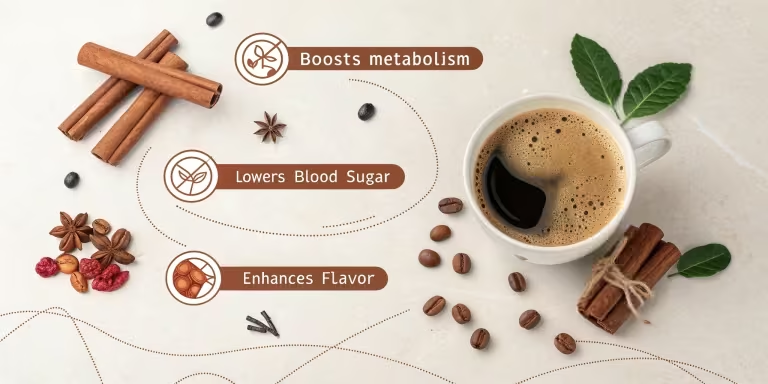
Are you curious about the caffeine content in coffee beans and how it can fuel your day? You’re in the right place. Let’s chat about what influences caffeine levels in those roasted little gems, how they might impact your mind and body, and how you can make the most of your coffee-drinking routine without overdoing it. By the end, you’ll have a clear view on how to pick and enjoy your next cup so you can stay sharp, energized, and happy.
Understanding caffeine content
Caffeine in coffee, simply put, is a natural stimulant found in the beans themselves. It’s the driving force behind that morning jolt. But it’s not just about waking up. Caffeine can affect your workout, your study routine, and even your mood. While many factors shape how potent one cup might be, the core idea is this: it all starts with the bean.
Why caffeine matters
If you’ve ever sipped a dark roast and felt a near-instant energy boost, you already know why caffeine matters. It’s that reliable pick-me-up that helps you tackle a busy day or break through an afternoon slump. But why exactly does it have such a hold on us?
- It stimulates your central nervous system, making you feel more alert.
- It may improve short-term focus and reaction times.
- It can enhance exercise performance by delaying fatigue.
The trick is in finding that sweet spot, where you feel energized without feeling jittery. That’s why knowing how caffeine content fluctuates can help you better fine-tune your intake.
Key factors that affect caffeine levels
You might assume every cup of coffee packs the same punch. Not true. The following factors can influence how much caffeine makes it into your mug:
- Bean variety: Different breeds (like Arabica or Robusta) carry varying natural caffeine.
- Roast level: The roasting process can affect the weight of the beans and, ultimately, the caffeine in your coffee.
- Grind size: Finer grinds usually yield more caffeine per cup due to larger surface area exposure.
- Brewing method: Some techniques extract caffeine more efficiently than others (espresso versus drip).
It’s helpful to understand these elements before you reach for another coffee pod or grind your next batch of beans. That way, you’ll be more deliberate in choosing the right bean or method for your goals.
Different coffee bean types
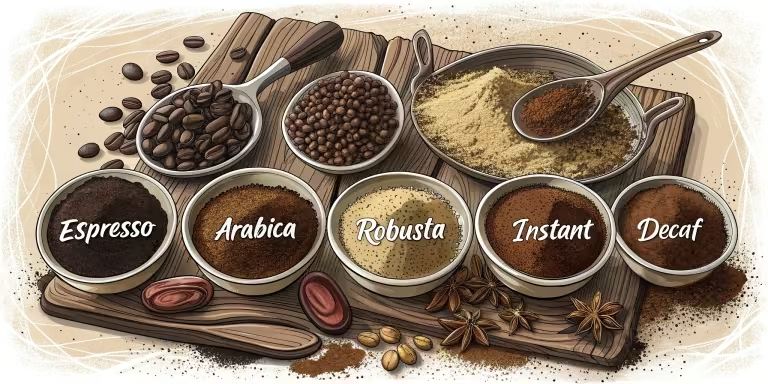
Not all beans are created equal. Each type brings a unique taste, aroma, and level of caffeine naturally present. Two primary bean varieties account for most of the coffee you find in your grocery store.
Arabica vs Robusta
Chances are you’ve seen bags labeled “100% Arabica.” This variety is known for its smoother, more nuanced flavor. Arabica typically contains less caffeine than Robusta beans. Here’s a quick comparison table:
| Factor | Arabica | Robusta |
| Flavor profile | Smooth, often sweet, subtle | Strong, sometimes bitter |
| Caffeine level | Lower | Higher |
| Price | Usually more expensive | More budget-friendly |
| Cultivation | Grows at higher altitudes | More robust, can grow lower |
Because Robusta beans have higher caffeine, some espresso blends include a bit of it for an extra kick in flavor and boldness. If you’re after a milder experience, or you enjoy sipping a subtle cup, Arabica might be your go-to.
Dark vs light roasts
Another element to consider is roast level. Many folks assume dark roasts automatically have more caffeine because they taste stronger, but that’s not always the case. Darker roasting can lessen bean mass slightly, changing the caffeine-to-volume ratio. Meanwhile, lighter roasts retain more of the bean’s original properties, including acidity and subtle floral aromas. The catch? When measured by scoop, light roasts often have a bit more caffeine because they’re denser.
Here’s a quick breakdown:
- Light roast:
- Brighter flavors and often fruitier notes.
- Slightly higher caffeine content per scoop due to denser beans (though by weight, it can vary).
- Dark roast:
- Deeper, smokier flavor.
- Caffeine content may be lower per scoop, but some people measure by weight, which balances things out differently.
At the end of the day, the difference in caffeine between roasts per cup isn’t usually off-the-charts. It’s more about flavor and personal preference. If you love bold, rich flavors, a dark roast might be your jam. If you want coffee that’s lighter on the palate, you might go for a blonde or light roast instead.
Health benefits and considerations
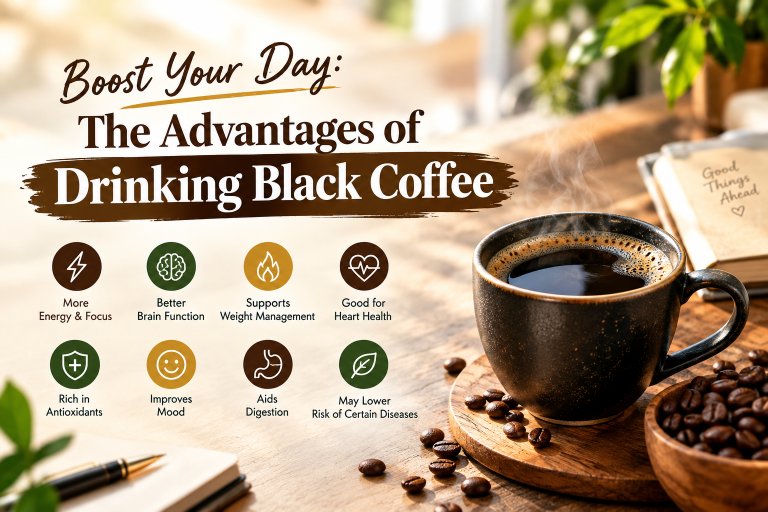
People often chat about coffee’s positives—improved alertness, potential antioxidant benefits—and for good reason. Still, as with anything in life, moderation matters. Understanding how coffee fits into a healthier lifestyle makes your daily brew a real asset rather than a crutch.
Potential health advantages
In moderate amounts, coffee may offer various perks:
- Antioxidant content: Coffee beans have compounds like chlorogenic acid and polyphenols, which can help combat oxidative stress.
- Potential disease protection: Some research suggests that regular coffee consumption might correlate with reduced risks of certain conditions.
- Enhanced mood and focus: The right amount of caffeine can lift your spirits and sharpen concentration.
Remember that genetics, existing health conditions, and your personal sensitivity to caffeine all play a role in how you experience these benefits. One size doesn’t fit all, so pay attention to how you feel.
Side effects and cautions
While coffee can be a wonderful morning buddy, it’s best to avoid excessive caffeine. If you’ve ever felt shaky hands, a racing heart, or a headache after too many refills, you know the drill. A few potential drawbacks include:
- Anxiety or nervousness: Caffeine can heighten stress levels if you consume too much.
- Disrupted sleep: Drinking coffee too close to bedtime may interfere with restful sleep.
- Digestive discomfort: For some people, strong coffee can irritate the stomach.
If you notice any unwelcome side effects, consider adjusting your routine. Switching roast levels, picking differently sourced beans, or spacing out your sips can help you find a balanced approach that works.
Real-life measuring
Ever wonder exactly how much caffeine sits in your morning latte? While labels can be vague, some ballpark figures help you gauge what to expect. The precise amount of caffeine you end up ingesting isn’t just about the type of bean, but also how it’s brewed, how much coffee you’re using, and even how you measure it out.
Methods to measure caffeine
There isn’t a single universal method for measuring caffeine in coffee, but some approaches can give you a solid estimate:
- Online caffeine calculators: Some websites offer approximate numbers based on your selected brewing method and portion size.
- Lab tests: Strictly for the hardcore, but dedicated coffee labs and bigger coffee companies sometimes measure down to the milligram.
- Observation and experience: After a few trial cups, you’ll know how your body reacts. If you rapidly develop jittery feelings, you might be hitting higher caffeine territory.
Most of us just want to know if our morning coffee is in the 80 mg range or the 200 mg range. Estimates usually suffice, but it’s handy to understand that these numbers vary.
Approximate caffeine levels
Below is a rough guide to how many milligrams of caffeine you might find in a typical cup. Keep in mind these are averages, not exact values:
| Coffee Type | Usual Caffeine Per 8 oz Cup |
| Drip coffee (regular) | 95–165 mg |
| Espresso (1 oz shot) | 47–64 mg |
| Instant coffee | 60–80 mg |
| Decaf coffee | 2–5 mg |
Stored coffee beans can also differ in caffeine based on how fresh (or stale) they are, though the primary determinant is still the bean variety and roast.
Storage and freshness
Freshness is a big factor for taste and caffeine retention. If you’re that person who opens a bag of coffee beans and inhales deeply, you already know how vital freshness is. But just how long do beans keep their caffeine potency intact?
Impact of bean age
Caffeine itself doesn’t degrade significantly over short periods. However, taste and aroma do change, which might alter how strong your brew feels. Oils in the coffee beans begin to oxidize once you open the bag, leading to changes in flavor that can impact your perception of strength. While the raw milligrams of caffeine per bean might remain fairly constant, stale beans can taste weaker, which might trick your brain into thinking you’re not getting as much of a boost.
Tips to maintain freshness
You’ve invested in good beans. How do you keep them fresh? Here are some quick tips:
- Store in a cool, dark place: Light and heat speed up the aging process.
- Use an airtight container: Oxygen is the enemy of fresh beans.
- Grind right before brewing: Whole beans preserve oils and aromas longer than pre-ground coffee.
- Buy smaller batches: If possible, purchase enough beans for a week or two, so you’re not stuck with stale grounds.
Freshness not only enhances flavor but ensures your morning ritual remains something you look forward to, day after day.
Caffeine myths and facts
Caffeine is a hot topic. You’ll hear all sorts of opinions. Some say you’ll stunt your growth if you drink too early in life, while others claim that strong dark roast is the key to an energy explosion. Let’s clear the air with a few basics.
Common misconceptions
- Dark roast has more caffeine: Actually, lighter roasts generally retain more caffeine if you measure by volume, though the difference isn’t dramatic.
- Espresso is the strongest coffee: Per ounce, espresso can contain more caffeine, but you typically only drink 1–2 ounces. A full mug of drip coffee often has more total caffeine overall.
- Coffee is dehydrating: Coffee can be mildly diuretic. However, in regular amounts, it usually doesn’t dehydrate you as much as people think.
It’s easy to get lost in the swirl of beliefs. Focus instead on how your body responds. That’s the simplest way to tell if you’re balancing your caffeine intake properly.
Tools to measure personal coffee intake
If you’re a data-loving coffee enthusiast, or if you simply want more control over your caffeine consumption, consider these approaches to keep track:
- Coffee journaling: Note the type of coffee, the beans or brand, how it’s brewed, and how you feel afterward. Over time, patterns emerge and guide your choices.
- Smart devices or apps: Some gadgets pair with scales or coffee makers to log your brewing details in real time.
- Wearables and trackers: If you track your heart rate, you may see spikes in correlation with caffeine intake. This is more of a general approach, but it can be enlightening.
Arming yourself with info can help you pinpoint what times of day coffee is most helpful, how many cups suit you best, and which roast keeps you feeling content rather than anxious.
Brewing styles and their caffeine impact
Caffeine content isn’t just about the bean. Brewing style plays a major role in the final tally. Think about how you typically prepare your cup, and see if any of these methods might adjust your caffeine intake higher or lower:
Drip coffee
This is the classic brew style for many households. Hot water drips over a filter packed with grounds, then collects in a pot. Drip machines usually use medium to coarsely ground coffee, and the water flows relatively slowly. Result: a smooth, mellow cup with moderate caffeine levels. For a standard 8-ounce pour, you might end up with somewhere around 95–165 mg of caffeine. The numbers rise or fall depending on how strong you make it (and how big your mug is).
Espresso
Espresso is about pressure. Hot water is forced through finely ground coffee at high pressure, producing a concentrated shot in under 30 seconds. This rapid extraction results in a bold taste and a thick crema layer. You only end up with about 1–2 ounces per shot, so the total caffeine can be around 47–64 mg per ounce. Because of this concentration, you might feel the jolt more quickly, but the total dose may be less than a full cup of drip, unless you go for multiple shots.
French press
A French press involves steeping coffee grounds in hot water for several minutes, then pressing them to the bottom with a plunger. This immersion style often results in a fuller-bodied flavor. You can wind up with slightly higher levels of caffeine due to prolonged contact between water and grounds, but it’s still in the general ballpark of drip coffee, often 80–100 mg per 8 ounces. Your personal ratio of coffee grounds to water is the major variable here.
Cold brew
Filtering cold water through grounds for extended periods (often 12–24 hours) extracts caffeine more slowly. This method typically yields a less acidic taste and a smoother texture. The caffeine concentration can be quite high in cold brew concentrate, though it’s often diluted before serving. If you drink it straight, you might be looking at a strong jolt—sometimes upwards of 200 mg in a 12-ounce cup. If you’re aiming for a strong yet mellow experience, cold brew might be your perfect match.
Timing your caffeine fix
Timing can make a big difference in how caffeine affects you. Some folks swear by their 6 a.m. cup, while others say they’d be up all night if they sipped even a drop at noon. Here are some tips to help you time your consumption:
- Avoid late-night jitters: If you’re sensitive to caffeine, you might stop drinking coffee by early afternoon.
- Pre-workout push: Having a small cup 30–60 minutes before exercise can give you a boost in endurance.
- Productivity peak: If you have a major work or study session, plan your coffee break about 15–20 minutes before tackling the hardest tasks.
Every person’s body metabolizes caffeine differently. Some break it down fast, others slow. Experiment with your schedule so that coffee becomes a tool that supports you, rather than something that disrupts your sleep or makes you anxious.
Tailoring your intake
Everyone’s caffeine tolerance is unique. You might have a friend who can drink multiple cups and feel calm, while you get shaky on your second cup. The best way to figure things out is to listen to your body:
- Start small: If you’re not sure how your system will react, go for a single small cup.
- Notice the half-life: Caffeine typically stays in your system for 4–6 hours. Keep that in mind if you’re prone to insomnia.
- Adjust gradually: If you find yourself too wired, sprinkle in a few decaf cups or half-and-half blends.
Coffee is meant to be enjoyed, so don’t stress over the perfect formula. Just learn as you go until you strike the right balance.
Decaf details
Decaf coffee might be the unsung hero for those who love the taste but can’t or don’t want the buzz. But does decaf truly mean zero caffeine? Not entirely. It often has trace amounts—usually 2–5 mg per 8-ounce cup. This is minimal compared to your average cup of drip coffee. If you’d like to cut back without skipping your beloved coffee ritual, decaf can fill the gap nicely.
Methods of decaffeination
Different techniques remove most caffeine from the beans. The two most common are:
- Solvent-based method: Uses chemicals like methylene chloride or ethyl acetate to extract caffeine. The beans are then rinsed and dried, and the solvent evaporates.
- Swiss water process: Relies on a charcoal filter to separate caffeine without solvents. This method tends to hold onto more flavor but can be a bit pricier.
If you’re choosing decaf regularly, it can be beneficial to pick a water-processed option that preserves a decent taste profile.
Caffeine and fitness
If you have a workout routine, coffee might help you lift heavier, run faster, or just keep moving longer. Some athletes swear by a pre-workout dose of caffeine. But is it right for you?
- Performance boost: Caffeine may help reduce the perception of fatigue, letting you maintain a higher intensity longer.
- Fat burning: While the effect is modest, caffeine can boost metabolism slightly.
- Hydration concerns: If you’re worried about dehydration, just make sure to drink water alongside your coffee.
Listen to your body. If a small espresso before the gym helps you power through, go for it. If it makes you shaky or upset, skip the coffee or reduce the dose.
Balancing coffee with other sources of caffeine
Keep in mind that coffee isn’t the only variable in your caffeine equation. You may be getting extra stimulation from:
- Tea (black, green, or matcha).
- Soft drinks or energy drinks.
- Chocolate or cocoa-based treats.
- Certain medications or supplements (check labels).
If you often feel jittery, take a look at all the places caffeine might be sneaking into your day. That can help you tweak your routine to stay balanced.
Sustainable and ethical coffee
Beyond the caffeine question, you might also want to consider how coffee is grown and sourced. Eco-friendly and fair-trade options aren’t just good for the planet, they’re good for you too. Beans grown under proper conditions tend to feature higher quality, which can influence both flavor and chemical profile.
Environment matters
Coffee plants that are grown at higher altitudes in nutrient-rich soil might yield beans with distinct taste and better overall quality. Paying attention to certifications such as Rainforest Alliance, Fair Trade, or Organic can help ensure that farmers and local ecosystems benefit from your daily java habit.
Flavor and caffeine
High-altitude Arabica beans often have nuanced flavors. Robusta beans might come from lower altitudes and have higher caffeine levels per bean, but the environment they’re grown in matters too. Ethical sourcing often correlates with consistent agricultural practices that can yield more predictable caffeine content and tastier results.
Navigating coffee shops
Grabbing a quick latte or buying a freshly brewed cup at your local café? Here’s how to keep caffeine in check:
- Ask the barista: They often know if a blend is Arabica or Robusta, and whether the roast is light or dark.
- Size matters: A “small” or “medium” can be plenty. The difference between a 12-ounce and a 16-ounce can mean a big jump in caffeine.
- Experiment with milk and flavorings: Milk, cream, or plant-based alternatives mellow the taste. It doesn’t cut caffeine, but it might reduce bitterness, so you don’t overshoot by adding extra shots.
Don’t hesitate to ask what beans they use. Most coffee shops are happy to share the details so you can customize your buzz.
Caffeine sensitivity and lifestyle
A final piece of the puzzle is how well you personally handle caffeine. Some people have genes that break down caffeine faster, while others might metabolize it more slowly. Medications, stress levels, and personal tolerance can all shape how you feel after a cup.
Genetics and health conditions
If you realize you’re sensitive, it might help to:
- Chat with a healthcare provider: Especially if you have heart conditions or anxiety, they may have recommendations on daily coffee intake.
- Limit the quantity: Try a single cup of a lighter roast instead of multiple cups of strong brews.
- Look at the big picture: Sleep, hydration, and stress management also affect how you respond to caffeine.
Building a mindful routine
Ultimately, coffee shouldn’t be a crutch that gets you through every hurdle. Use it as a helpful tool, but also focus on long-term habits like getting consistent sleep and eating well. If you find yourself relying on caffeine to survive a chronic lack of rest, it might be worth adjusting other parts of your lifestyle. After all, you want coffee to be enjoyable, not a constant necessity.
Summing it up
You have countless ways to tailor the caffeine content of your coffee. Whether you love the boldness of a dark roast or prefer the bright flavors of a light roast, it’s all about striking a balance based on your needs, taste preferences, and health goals. Think about the type of bean, the roast level, the brew method, and how much you drink.
Here’s the bottom line:
- Arabica tends to offer that nuanced flavor with a bit less caffeine than robust Robusta.
- Roasting level can shape taste, density, and slight differences in caffeine content.
- Brewing method has a big impact on how much caffeine ends up in your cup.
- Store your coffee beans properly for the freshest taste and consistent experience.
- Know your caffeine tolerance and stay aware of other caffeine sources.
Next time you grab your mug, give a quick thought to the bean and brew behind that comforting aroma. That simple awareness can help you enjoy coffee in a way that energizes you, fits your lifestyle, and keeps every sip delightful. Cheers to fueling your day right!