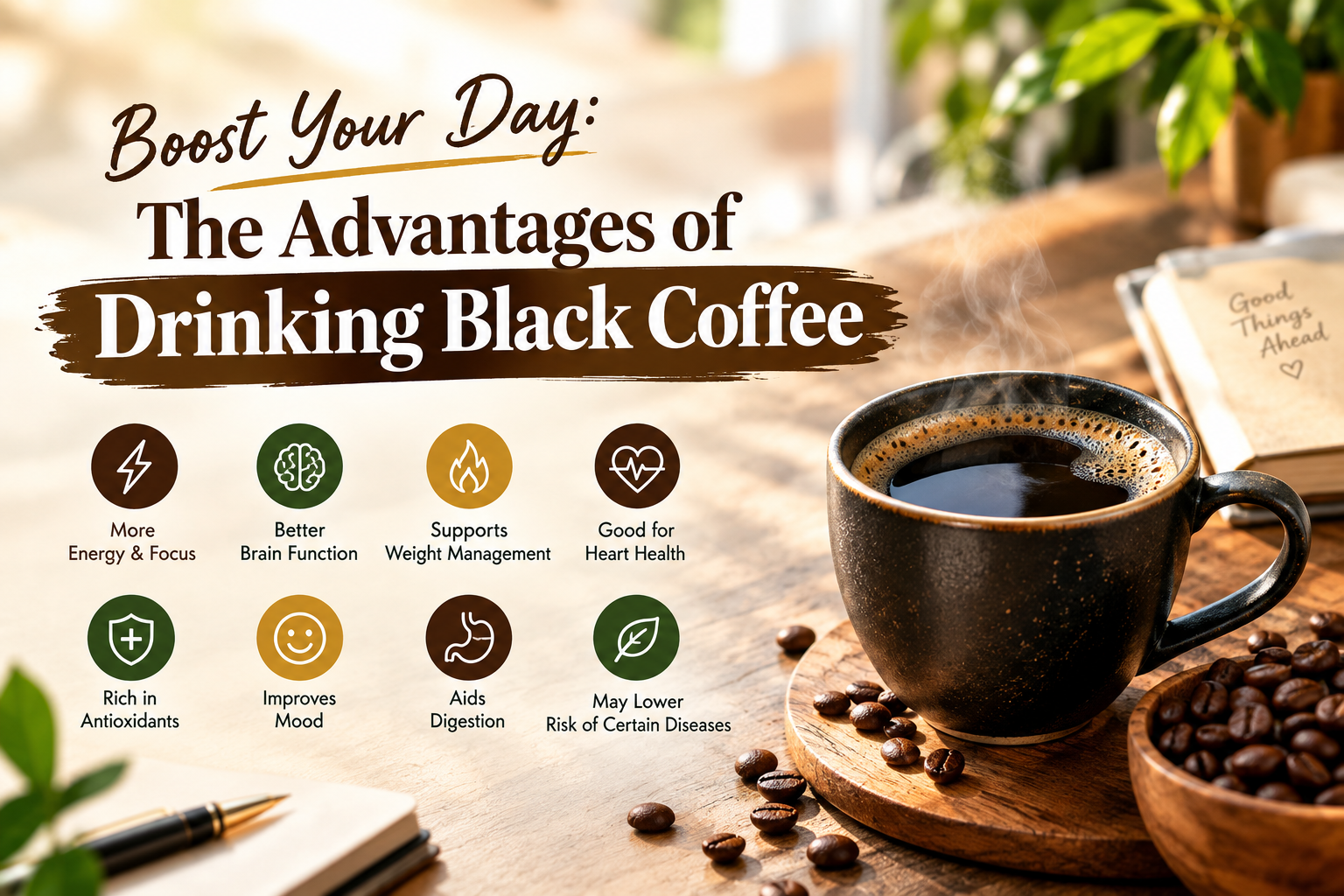
If you’re looking to get more bang out of your morning pick-me-up, you may have heard about the advantages of drinking black coffee. After all, black coffee is basically coffee in its purest form, which means you’re skipping additives like cream or sugar. That simpler approach can bring some surprising perks, from boosting your energy to supporting a more active lifestyle.
Maybe you’re on a health kick, or perhaps you just want a midday productivity push without extra calories. Either way, you’re in the right spot. In this guide, we’ll explore how black coffee might sharpen your focus, help you reach your fitness goals, and even provide a dose of powerful antioxidants. Let’s get started so you can decide if going black is right for you.
Understand black coffee basics
Black coffee is simply coffee that’s brewed with water and coffee grounds, without milk, cream, sugar, or sweeteners. It’s known for its robust flavor and rich aroma, but there’s more to it than just taste. When you strip away all the extras, you retain coffee’s core components, including caffeine and various antioxidants.
A quick look at coffee beans
Selecting the right bean can make a difference in how your black coffee tastes. Arabica beans might be pricier, but many people find they offer a balanced profile with subtle hints of sweetness. Robusta beans are typically used in espresso blends for that extra caffeine kick.
Why opt for black coffee
You might wonder, “Why skip cream and sugar if they taste good?” The straightforward answer is that going black helps you control what you’re putting in your body. Cutting out added sugars and fats can be a quick win for your overall health, especially if you’re watching your daily calorie count. Additionally, black coffee’s unadulterated profile means you get to experience the full complexity of the beans.
Flavor profile and brewing methods
Many people assume black coffee is harsh. However, the flavor doesn’t have to be bitter if you brew it right and choose good beans. Some popular brewing methods:
- Drip machine: Simple and reliable, though it can sometimes produce a milder cup.
- French press: Offers a richer, fuller-bodied taste due to the immersion process.
- Pour-over: Allows for precise control over brewing time and water temperature, leading to a delicate, nuanced cup.
- Espresso machine: Concentrated shot of coffee that’s bold, strong, and often used as a base for specialty drinks.
If you’re new to black coffee, experiment with different beans and brewing techniques. You may be pleasantly surprised by the variety of flavors and aromas you discover. Who knows, you might end up sipping notes of chocolate, berries, or even light floral accents.
Key takeaway about the basics
Black coffee isn’t just “plain coffee.” It’s a beverage that showcases each bean’s essence. By ditching milk or sweeteners, you’re not only reducing calories but also embracing the true taste and potential health benefits of a freshly brewed cup. Next time you fill your mug, remember that the simpler the approach, the more authentic your coffee experience can be.
Boost daily energy
One of the main reasons many of us can’t function without coffee is its caffeine content. Caffeine is a natural stimulant, and it can do wonders for your energy levels. When you’re drinking black coffee, you’re getting a direct shot of energy-boosting goodness without the extra creams or sugars that can weigh you down.
Helping you start your day
Picture this: it’s early morning, you’re groggy, and you have a full day ahead. Ever notice how a warm cup of coffee can take you from half-asleep to alert in just a few sips? That’s the caffeine at work. Caffeine blocks adenosine (a neurotransmitter in your brain that makes you feel sleepy), helping you stay awake and more alert. For many people, this is reason enough to have that first cup in the morning.
Avoiding sugar crashes
If you’re used to sweetened coffee, you might get a brief energy spike from the sugar before crashing later. Drinking black coffee removes that sugary roller coaster. You’ll still get the pick-me-up from the caffeine, but you’ll skip the added sugar highs and lows. This steadier level of alertness can help you power through your morning routine, your workout, or that big presentation at work.
Short-term and long-term effects
Still, moderation is key. Consuming too much caffeine can lead to jitteriness, rapid heart rate, or trouble sleeping. If you’re someone who’s super sensitive to caffeine, consider sticking to moderate amounts, especially earlier in the day.
Creating a balanced lifestyle
Black coffee might be a helpful energy booster, but it shouldn’t replace a balanced lifestyle. You still need quality sleep, healthy meals, and regular exercise to feel your best. Think of coffee as a companion rather than a crutch. When you pair your black coffee habit with a solid routine, you’ll avoid overreliance on caffeine and reap more of its potential benefits without the downsides.
Key takeaway on energy
If you love that shot of energy coffee provides, you’re already halfway there. Drinking black coffee can amplify that energizing effect by cutting the sugar crash. The result? A smoother surge of alertness that helps you tackle whatever’s on your to-do list. Keep in mind, true energy comes from a commitment to holistic health, and coffee is just one part of that puzzle.
Enhance mental focus
Could a cup of black coffee help you focus better on that looming project or exam prep session? Many people believe so, thanks to coffee’s influence on your cognitive functions. While results vary from person to person, a moderate intake of caffeine may help you sharpen your mental faculties.
Concentration and productivity
How many times have you sipped on coffee during a big study session or while working on a tight deadline? Coffee isn’t a magical cure-all for mental fog, but it often helps you lock in on a task for a short burst of time. By temporarily blocking fatigue signals in the brain, caffeine may help you concentrate on the job at hand.
Memory and learning
Research is still ongoing, but some studies suggest that coffee could have a positive impact on short-term memory retention. If you’ve ever tried to memorize details, you might notice that you recall them more quickly after a cup of coffee. Does that mean coffee will turn you into a memory genius overnight? Probably not. But it might help you tackle your day-to-day tasks with a bit more clarity.
Moderation matters
When it comes to coffee, less can be more.
Ask yourself: “How does my body respond to caffeine?” If you feel shaky or anxious, you’ve probably had enough. Keep track of your personal caffeine threshold so you reap the mental benefits without tipping into overwhelm.
When to drink black coffee for focus
Timing your coffee intake can also help:
Key takeaway on mental clarity
A moderate dose of black coffee may help increase your focus and cognitive performance, giving you that extra push to handle busy schedules or intellectual challenges. However, know your own limits. If you feel anxious or restless, consider cutting back or adjusting your coffee schedule. Used wisely, black coffee can be a friendly ally in your mental arsenal.
Help with weight management
Believe it or not, coffee might lend a hand in your weight management journey. Although black coffee isn’t a magic solution, it could complement a healthy lifestyle and balanced diet by helping you feel more energetic and potentially aiding your metabolism.
Low in calories when black
One of the biggest advantages of drinking black coffee is that it’s almost free of calories, provided you don’t mix in extras. A typical cup of black coffee contains only about 2–5 calories. Compare that to a latte loaded with whole milk and sugary syrup, and you can see why switching to black coffee can cut out a lot of unnecessary calories.
Potential metabolism kick
Caffeine is sometimes associated with a temporary increase in metabolic rate, which means your body might burn calories slightly faster after you drink coffee. While this effect isn’t massive, every little bit helps if you’re working toward a weight-related goal. Pair it with regular exercise, and you could notice a boost in your overall energy expenditure.
Appetite control
Coffee may also help reduce your appetite for a short period. If you find yourself snacking out of boredom, a cup of black coffee might curb that urge temporarily. However, this doesn’t replace the need for balanced meals. Be mindful of your body’s hunger signals, and make sure you’re not using coffee as a way to skip essential nutrition.
Balancing coffee and fitness
For regular exercisers, a small cup of black coffee before a workout can provide an energy lift. This can translate into more intense or longer exercise sessions, which might help you burn more calories overall. However, consider your tolerance: too much caffeine can lead to jitters or an upset stomach, interfering with your workout instead of aiding it.
Key takeaway on weight
While black coffee alone won’t make the pounds melt away, it can be a useful ally in a balanced approach to weight management. It keeps extra calories at bay and may give your metabolism a mild boost. Combine that with a healthy diet and exercise routine, and you might find that your morning cup has an extra perk beyond just taste.
Explore antioxidant power
You hear about antioxidants in everything from fruits and vegetables to pricey skincare. Surprise: coffee is also a rich source of these helpful compounds. As one of the most widely consumed beverages globally, black coffee may provide a consistent stream of beneficial antioxidants for many people.
What are antioxidants?
Antioxidants are compounds that help protect your cells from oxidative stress, which can damage cells over time. They neutralize free radicals, those unstable molecules that like to cause a bit of trouble in your body. By reducing oxidative damage, antioxidants may support overall health.
Antioxidants in black coffee
Coffee contains various antioxidants, including chlorogenic acids and polyphenols, which are linked to health benefits such as reduced inflammation. While you can find antioxidants in many plant-based foods, coffee stands out because it’s consumed so frequently. That daily cup might not only perk you up, but also provide a regular dose of protective compounds.
Possible long-term health perks
Research suggests that higher antioxidant intake is often associated with:
Before you get too excited, remember that black coffee alone can’t guarantee perfect health. It’s just one piece of the puzzle. You still need a nutritious diet, exercise, and proper rest for sustainable wellness.
Choosing quality beans for maximum benefits
How you brew your coffee and the beans you select can influence antioxidant levels. For instance, lighter roasts may retain more of their original antioxidant content than darker roasts. But flavor preference really matters, too. If you love dark roast, that’s perfectly fine. Just aim for quality beans that are fresh and sourced from reputable producers whenever possible.
Key takeaway on antioxidants
If you’re searching for a convenient way to add more antioxidants to your day, black coffee might be a simple addition. It’s not a replacement for fruits and veggies, but it can be a complementary source of cell-protecting compounds. Think of coffee as part of a bigger healthy-living strategy rather than an all-in-one solution.
Improve physical performance
Have you ever noticed that some athletes or fitness enthusiasts sip black coffee before they hit the gym or go for a run? There’s a reason for that: caffeine, found in black coffee, might offer performance benefits that help you make the most of your workouts.
Energize your workouts
When you drink black coffee about 30 minutes before exercise, the caffeine can increase adrenaline levels in your bloodstream. Adrenaline is the hormone that helps your body prepare for physical exertion, potentially giving you a burst of energy and faster reaction times. By feeling more awake and ready, you may be able to push a little harder or go a bit longer during your routine.
Potential increase in endurance
Some research points to caffeine’s ability to reduce the perception of effort, meaning you feel less fatigued while exercising. This could translate into improved endurance, especially for activities like running, cycling, or swimming. So if you’re training for a marathon or simply trying to build up your cardio, a well-timed cup of black coffee might help you keep up the pace.
Faster recovery?
There’s some suggestion that coffee could play a role in post-workout recovery by helping to replenish muscle glycogen stores, especially when combined with carbohydrates. Glycogen is the primary fuel source for your muscles, so refilling those tanks efficiently is vital for effective recovery. However, results can vary and more research is needed, so don’t rely solely on coffee for your post-gym routine.
Staying within safe limits
While caffeine can be beneficial for exercise, too much can lead to rapid heart rate, anxiety, and potentially dehydration if you’re not careful. Aim for a moderate intake, and listen to your body:
Key takeaway for performance
A cup of black coffee before a workout could be that extra edge you need to power through intense sessions or extend your endurance. Remember to balance it with proper hydration, nutrition, and rest. Overdoing it on caffeine may do more harm than good, so find your sweet spot that boosts performance without causing unwanted side effects.
Consider potential drawbacks
As great as black coffee can be, it’s not a perfect match for everyone. Just like many things in life, moderation is key. Being aware of possible downsides helps you enjoy coffee responsibly and maintain a balanced approach to your overall health.
Possible digestive issues
Coffee is acidic, which can irritate sensitive stomachs. If you experience heartburn or acid reflux, black coffee might worsen those symptoms. Some lovers of coffee find that switching to lower-acid beans or cold brew techniques can reduce stomach upset. If that fails, you might need to limit how often you indulge.
Impact on sleep
Caffeine can remain in your system for several hours. If you regularly drink coffee in the late afternoon or evening, you might find it harder to fall asleep at night. Sleep is crucial for recovery and overall well-being, so consider avoiding coffee (especially black coffee, which tends to be strong) at least six hours before bedtime. Everyone is different, so find the cutoff time that ensures you still get restful nights.
Caffeine dependence
Drinking multiple cups of coffee daily can lead to dependence on caffeine. This means you might experience headaches, irritability, or fatigue if you skip your usual cup. While moderate coffee consumption is generally regarded as safe for most people, it’s good to pay attention to any signs of overreliance. If you suspect you’re crossing that line, try gradually cutting back or alternating coffee with other beverages like herbal tea.
Heightened anxiety levels
If you’re already prone to anxiety, too much caffeine can worsen symptoms. Caffeine stimulates the central nervous system, which sometimes shows up as nervous energy, racing thoughts, or palpitations. Pay attention to how your body reacts and adjust your coffee intake accordingly. Connecting with a healthcare professional can help you figure out the right balance if anxiety is a persistent concern.
Coffee and certain health conditions
Certain health conditions, like high blood pressure, might get aggravated by high caffeine intake. If you have any pre-existing conditions, consider talking to your doctor about whether a daily cup or two of black coffee is appropriate. It’s always best to get personalized advice, rather than rely on general recommendations.
Key takeaway on drawbacks
Coffee is generally safe for most healthy adults in moderate amounts, but watch out for potential pitfalls like digestive discomfort, disrupted sleep, and increased anxiety. As always, it’s about learning what works for your body. If you notice any adverse effects, tweak your intake or seek expert advice to find the sweet spot in your coffee routine.
Enjoy black coffee wisely
So you’ve decided to dive deeper into the advantages of drinking black coffee. Great choice, but how do you ensure you’re reaping all the benefits while keeping potential downsides at bay? Here are some practical tips for making black coffee a positive part of your day.
Choose quality beans
Opt for:
You don’t have to break the bank on luxury beans, but going for a reputable brand or local roaster can make a significant difference in taste and possible health benefits.
Mind your brew time and technique
Brewing coffee might feel straightforward, but small tweaks can elevate your cup:
- Water temperature: Shoot for around 195–205°F (90–96°C). Too low, and the coffee can be weak or sour. Too high, and it can taste bitter.
- Brew time: Whether you use a French press or drip method, timing impacts flavor extraction. Follow method-specific guidelines for best results.
- Grind size: Finer grounds extract faster, while coarser grounds take longer. Adjusting grind size helps you fine-tune flavor and avoid over-extraction or under-extraction.
Limit added sugars or extras
It can be tempting to add a splash of cream or a spoonful of sugar. If your goal is to keep your coffee as pure and beneficial as possible, try to resist. Over time, your taste buds may adapt, and you might find those extras less necessary. If the bitterness is overwhelming at first, consider reducing additives gradually.
Stay hydrated
Coffee has a mild diuretic effect, meaning it can make you lose a bit of water. This isn’t usually a big deal, but it’s a good idea to drink plenty of water throughout the day. Staying hydrated helps maintain overall well-being, especially if you’re sipping multiple cups of coffee.
Strategize your coffee breaks
You don’t have to stick to a strict schedule, but a little foresight can go a long way:
Key takeaway on enjoying it wisely
Drinking black coffee in a thoughtful way enhances both flavor and health benefits. By choosing quality beans, fine-tuning your brew, and minding when you sip, you can build a coffee habit that supports your well-being without adding unnecessary challenges. Each cup is an opportunity to savor taste, appreciate the moment, and keep your body running smoothly.
Key takeaways for your daily brew
It’s clear that black coffee is more than just a bitter beverage. From sparking your morning energy to supporting your health goals, the advantages of drinking black coffee can resonate through many parts of your daily routine. So, how should you put all this into practice?
Ultimately, black coffee can offer a range of perks, from mental clarity to physical performance, provided you approach it with awareness and intention. It’s a small change that could bolster bigger lifestyle improvements, whether you’re aiming for better productivity or a healthier waistline. Embrace your coffee ritual, savor the aroma, and let this simple beverage play a supportive role in your ongoing wellness journey.
Ready to give black coffee a try? Start your next morning with a fresh brew, and see how switching to the pure essence of coffee might give your day a flavorful, energetic head start. If you have a great brewing tip or a favorite coffee bean brand, share it with your friends so they can explore the benefits, too. Your next cup could be just a sip away from a brighter, more productive day.