
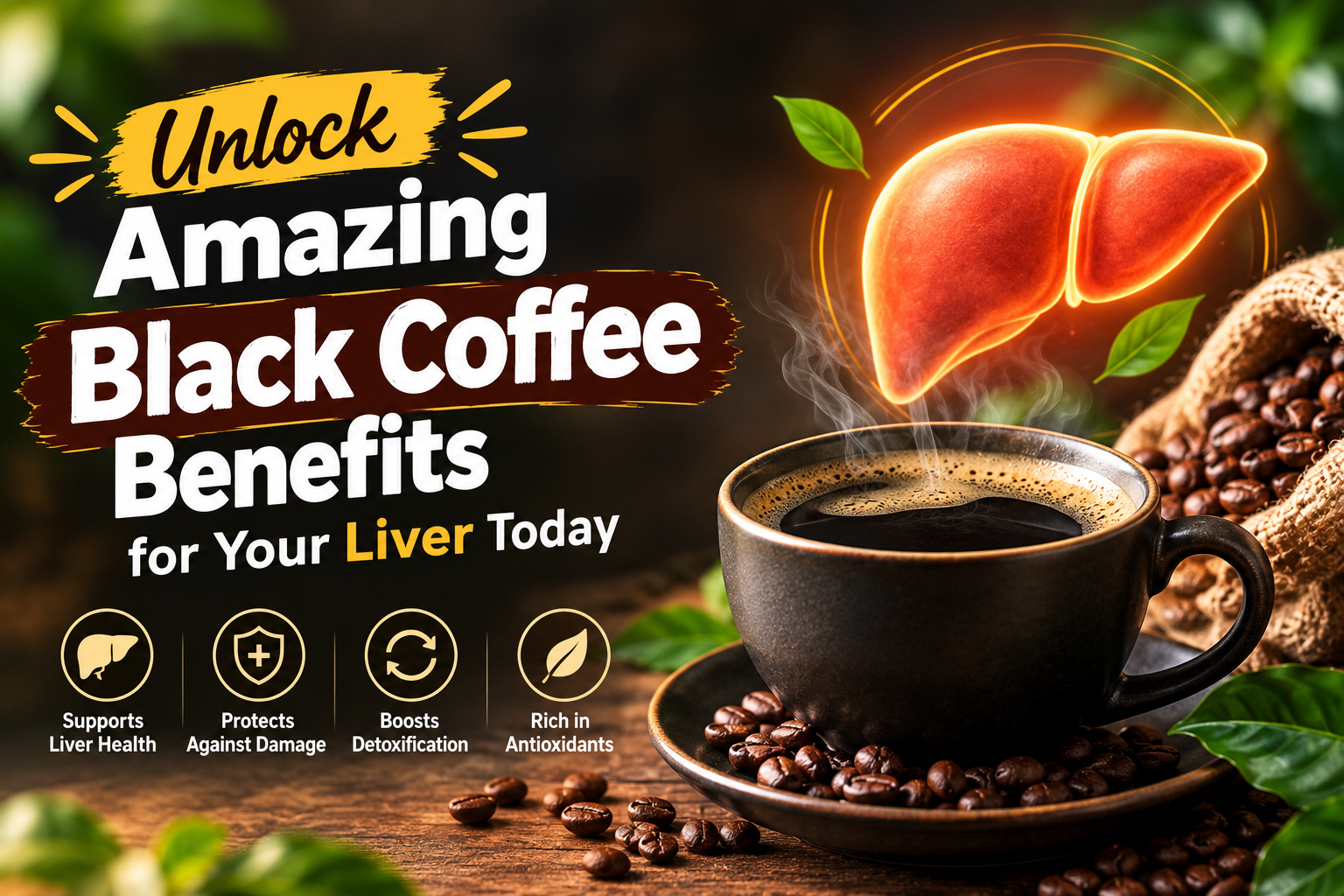
If you love coffee, you might already suspect that it can do more than just wake you up. But did you know that black coffee benefits for liver function are one of its most fascinating perks? Our livers work quietly in the background every day, filtering toxins and supporting digestion. The good news is, a simple cup of black coffee may help keep yours running smoothly. In the sections below, you’ll discover why black coffee could be a smart addition to your routine, how it might support liver health, and ways to get the most out of every sip.
What exactly is black coffee?
Black coffee is simply coffee brewed without adding milk, cream, or sweeteners. It’s essentially your coffee in its purest form. Because you’re not diluting it, black coffee retains more of the original flavor, aroma, and natural compounds found in the beans. You also skip the extra calories or sugars that come from sweeteners or dairy products.
Coffee beans have a complex makeup of antioxidants (compounds that help protect cells) and caffeine (the stimulant that keeps you from dozing off). When you drink black coffee, you’re consuming these compounds directly. The result is a stronger flavor and often a more robust effect on your body, including potential benefits for your liver.
The liver’s role in your everyday wellness
Your liver acts like a clever multitasker. It filters toxins from your bloodstream, helps store energy, and releases nutrients when needed. Whether you’ve just had a balanced meal or an indulgent dessert, your liver is working to keep your blood sugar levels steady. It also processes medications, breaks down fats, and supports hormone balance.
In short, you want to be on good terms with your liver. When it’s overworked or damaged, your entire body feels the strain. That’s where a few good choices, such as moderate black coffee intake, may offer extra support for your liver. If you’re curious about how a steaming mug of black coffee might make a difference, keep reading.
Key compounds in black coffee
Before delving deeper into how black coffee might lift the load on your liver, let’s look at what’s inside. Coffee beans contain:
Particularly through these compounds, black coffee takes on a different health profile than milk- or sugar-filled blends. By skipping creamers and sugary syrups, you leave room for these beneficial elements to shine. You also preserve coffee’s natural bitterness and bold notes, which can be quite satisfying once you get used to them.
How black coffee may support liver enzyme regulation
One interesting potential benefit of black coffee is how it might help keep your liver enzymes in check. Your liver relies on enzymes for tasks like breaking down nutrients and clearing out toxins. For some people, certain enzymes might go out of balance when the liver is under stress. Researchers have been studying whether black coffee could help maintain normal enzyme levels.
While results can vary and more studies are always needed, it appears that a moderate intake of unsweetened coffee is linked to healthier levels of specific liver enzymes. The relationship isn’t fully understood, but the antioxidants and other components in coffee may help reduce harmful inflammation. It’s like giving your liver a friendly pat on the back so it can continue performing at its best.
Potential protection against chronic issues
Beyond enzyme regulation, black coffee has been examined for its possible role in reducing the risk of certain chronic liver issues. It’s not a miracle cure, of course, and your overall lifestyle matters a lot. However, researchers suggest that coffee consumption may offer some protective effects against conditions that can weaken the liver over time.
Why might this happen? One theory points to coffee’s unique blend of antioxidants, which can help neutralize inflammatory processes. Another focuses on caffeine’s potential to promote the breakdown of fats and reduce the buildup of harmful substances. There’s also a chance that people who drink black coffee might adopt healthier routines overall, but that’s not always true. As always, it’s about balancing good habits, not relying on one beverage to fix everything.
Daily cups: how much is enough?
If you’re curious about how many cups you “should” have for optimal liver gains, there’s no one-size-fits-all guideline. Many experts suggest up to three or four cups per day might be beneficial to your overall health, but that number can vary based on your tolerance, metabolism, and any medical conditions you might have.
Some people function perfectly with two cups before noon. Others find that even a single cup in the morning is enough to give them the caffeine boost they need. You know your body best. Watch for signs like jitters or trouble sleeping, and adjust your intake accordingly. Moderation is key, and if you have specific health concerns, a chat with your healthcare provider is always wise before doubling down on coffee.
Balancing caffeine sensitivity
While coffee’s energizing effect is often seen as a perk, it can be uncomfortable if you’re especially sensitive. Maybe you get the jitters, or maybe you find yourself wide awake at bedtime. Overdoing coffee might not do your liver much harm directly, but the resulting lack of restful sleep could indirectly affect your overall health, including stress levels and inflammation.
If you’re sensitive, try starting with a smaller cup earlier in the day. Spread out your coffee breaks instead of gulping multiple servings at once. You can also explore half-caf blends, which have reduced caffeine but keep some flavor and healthful compounds. It’s about discovering a balance where you feel energized but not wired.
Other wellness perks of black coffee
Black coffee isn’t just about your liver. It’s also known for:
- Mental alertness: The caffeine content can help you stay focused and mentally sharp, whether you’re tackling a busy workday or a late-night study session.
- Mood boost: Moderate coffee intake sometimes correlates with an improved mood, although this effect varies widely among individuals.
- Metabolic support: Coffee has been associated with slightly enhanced metabolism, possibly aiding in weight management when combined with a balanced diet.
- Workout performance: Some fitness enthusiasts sip black coffee before exercise to help power through intense workouts.
Of course, these perks come with the caveat that everyone is unique. Some of us might get much more energy than others, while a few might experience a bit of an energy crash later in the day. Listen to your own body and decide if black coffee is right for your lifestyle.
A look at potential downsides
Even though black coffee can be a liver-supporting beverage, it’s not all sunshine. The acidity of coffee can irritate some people’s stomachs, especially if you drink it on an empty stomach every single day. You could experience heartburn or acid reflux, which might trick you into adding cream or sugar just to soften the bitterness.
Also, caffeine can spike blood pressure in the short term, so if you already deal with elevated blood pressure, consider speaking with a professional before drastically increasing your coffee consumption. The same caution applies if you’re pregnant or dealing with certain medical conditions. While coffee is widely enjoyed, it’s still important to stay mindful of how it interacts with your individual situation.
Dealing with caffeine crashes
Occasionally, you might enjoy that immediate buzz from coffee, only to find that you’re crashing a few hours later. This effect can leave you feeling sluggish, hungrier, or moody. When coffee is black, there are no additives like milk sugars to provide a more gradual energy release. It’s more of a quick jolt.
If caffeine crashes are a regular part of your day, you might spread out your coffee servings rather than consuming them all at once. You could also pair your coffee with balanced meals. Another trick is to switch to decaf or half-caf versions past noon so you still enjoy the taste and possible benefits for your liver without jeopardizing your evening wind-down.
Timing black coffee for best results
You might be asking, “So when should I drink it?” Like many things related to coffee, it depends. Some experts argue that mid-morning, roughly between 9:30 a.m. and 11:30 a.m., is when your cortisol (stress hormone) levels drop, and a cup of coffee can work harmoniously with your natural energy cycle. Others simply say, “Avoid coffee right at sunrise and close to bedtime.”
The main idea: If you rely on coffee the second you roll out of bed, your body’s natural wake-up hormones might not get a chance to do their job, and you could end up needing more coffee later. On the flip side, downing a mug in the evening could interfere with sleep, which does your liver no favors over time. Strive for consistency, and your body (including your liver) will thank you.
Exploring different roasts
Not all black coffee tastes the same. The roast level of your beans can influence not only flavor but also some chemical properties. Dark roasts tend to have a bolder, smokier flavor and slightly less caffeine, as some is lost during the longer roasting. Light roasts often boast fruitier or more delicate flavor profiles and usually have a bit more caffeine.
In terms of liver benefits, both can work. You might want to experiment with different roasts to find which flavor you enjoy. After all, if you don’t like the taste, you’re not likely to keep drinking. Whether you lean toward a smooth dark roast or a bright light roast, you’re still getting a cup brimming with potentially beneficial antioxidants.
Preparation methods and their impact
How you brew your coffee also affects its properties. Here are a few popular methods:
- Drip machine: Common in many homes and offices, this method filters out some oils, resulting in a smooth cup that’s mild and widely appealing.
- French press: Combines coffee grounds and hot water in a steeping process, letting natural oils pass through. You often end up with a richer, fuller-bodied beverage.
- Espresso: Uses high pressure to extract coffee flavors quickly, producing a concentrated shot. Espresso can be sipped black or used as a base for other drinks.
- Cold brew: Steeps coffee grounds in cold or room-temperature water for several hours, leading to a low-acid coffee concentrate that’s gentler on sensitive stomachs.
If you find coffee’s acidity bothersome, cold brew or a French press might be easier on your system. Use trial and error to figure out which brewing style best suits your taste buds and needs.
Adding healthy boosts without sweeteners
You might be tempted to add sugar or cream to offset the bitterness, but those extras can overshadow some of the pure benefits of black coffee. If you’re missing a flavor boost, consider these alternatives:
By sticking closer to the black-coffee standard, you’re preserving the natural qualities believed to aid your liver. Plus, it’s easier to track your overall sugar consumption when you get rid of sneaky sweeteners.
Black coffee vs. other forms of coffee
Of course, black coffee isn’t the only way to enjoy java. Thousands of people worldwide savor lattes, cappuccinos, or sweet iced coffees. However, these often include milk, cream, or syrups that add fat, sugar, and sometimes quite a few calories. While these drinks can still offer some benefits from the coffee itself, the additional ingredients might counterbalance some of the positives, especially if you’re drinking several sugary coffees a day.
For your liver’s sake, black coffee usually stands out as the leaner, more straightforward option. That doesn’t mean you can’t ever enjoy a latte. It’s more about moderation. If you truly love your frothy cappuccino, maybe limit it to one treat per week and stick to black coffee the rest of the time.
Is decaf an option for your liver?
Decaffeinated coffee can still contain many of the beneficial compounds found in regular coffee, including antioxidants. However, the decaffeination process can alter the flavor and might remove some compounds in the beans. If you can’t handle caffeine at all or if health concerns require that you cut back, decaf is worth a try.
It still retains a notable amount of chlorogenic acids, which may support your liver health. While you might not feel the same energy boost, you’ll still be sipping some of those naturally protective elements coffee has to offer. You can also blend decaf with regular coffee for a “half-caf” approach.
Watch out for dehydration
One potential side effect of coffee is its mild diuretic effect. In simpler terms, it can make you pee more often. If you’re not carefully balancing your coffee intake with enough water, you could end up dehydrated. That can leave you feeling tired, give you headaches, or cause you to reach for more coffee than you intended.
A good trick is to match every cup of coffee with a glass of water. You stay hydrated, and you also slow the pace of your coffee consumption. Drinking plenty of water supports overall health, and that, in turn, helps your liver do its job without added strain.
Pairing coffee with a healthy diet
Remember that black coffee is just one piece of the puzzle. If you want to bolster your liver, aim for an overall nutritious diet. Load up on fruits, vegetables, whole grains, lean proteins, and healthy fats. Reduce unnecessary sugars and highly processed foods that can weigh down your digestive system and lead to issues like fatty liver over time.
Coffee alone can’t undo a weekend of heavy drinking or consistent poor eating habits. But if you’re already focusing on balanced meals, moderate exercise, and responsible alcohol intake, a couple of cups of black coffee might just add another layer of support.
Practical tips for daily coffee enjoyment
So you’re on board with trying black coffee for possible liver benefits, but you’d like to do it right. Here’s a quick checklist:
- Choose quality beans: Freshly roasted beans tend to have better flavor and potentially higher antioxidant levels.
- Grind right before brewing: If you can, grind your beans at home to preserve essential oils and flavors.
- Get the water temperature right: Aim for around 195°F to 205°F for hot brewing methods.
- Store beans properly: Keep them in an airtight container, away from light and moisture.
These small steps help ensure every sip is rich and enjoyable, which boosts the odds you’ll keep up a black coffee habit that supports your liver.
Experimenting with portion sizes
If you’re worried about jumping straight into multiple cups, start small. You could try a half-cup first thing in the morning. Observe how you feel. Are you satisfied, or do you need more? Does it make you jittery? Are you crashing later?
By gradually increasing your intake, you give your body time to adapt. The nice thing about black coffee is that even a smaller dose can be flavorful and stimulating. There’s no superfine line you have to cross to unlock its potential benefits. A moderate approach often works best.
Social aspects of coffee
For many people, coffee is a social ritual—think coffee dates, study group meetups, or a breakroom chat at the office. Ordering black coffee in these settings can feel a bit plain if you’re used to specialty drinks. Here’s a tip: ask your barista about single-origin or fresh local roasts, which can offer unique tasting notes. Chatting about these flavors can be just as delightful as comparing fancy latte art.
You might also find that your friends or colleagues become curious about your black coffee approach. If they ask, share what you’ve learned about how black coffee could benefit the liver. They might become more open to trying it too.
Travel-friendly coffee options
If you’re on the go, it’s easy to just grab a quick latte loaded with sweeteners to mask sub-par coffee. But there are travel-friendly solutions:
A little planning lets you enjoy black coffee wherever you roam, which supports continuity in your routine.
Checking for interactions with medications
Something you might overlook is how coffee can interact with medications. Caffeine, for example, might speed up or slow down how your body processes certain drugs. If you’re on any prescription medications, it’s worth a quick conversation with your pharmacist or doctor. This is especially relevant for drugs that also affect your liver or rely on liver enzymes for metabolism.
You don’t necessarily need to ditch your coffee habit, but you might need to time your doses differently. By adjusting, you can still enjoy those comforting black coffee moments without interfering with treatments or your liver’s balance.
Consider your lifestyle as a whole
Your approach to coffee is just one element of how you care for yourself. To truly support your liver, aim for a generally healthy routine:
By combining these habits with daily black coffee—if it suits your system—you’re stacking multiple layers of support for your liver and overall vitality.
Addressing myths around black coffee
A common myth is that black coffee will lead to dehydration or dependence. While it can have a mild diuretic effect, moderate consumption doesn’t typically dehydrate you to a risky level—especially if you’re mindful about drinking water. Another myth is that black coffee is too acidic and always bad for your stomach. For some people, yes, acidity can be a concern, but cold brew methods and pairing coffee with a meal can reduce irritation.
As for dependence, caffeine can be habit-forming, but it’s not automatically a negative if you keep your intake balanced. Paying attention to your body’s signals and rotating in decaf or skipping coffee on certain days can help you maintain a healthy relationship with the beverage.
When to seek professional advice
Despite all the potential upsides, you might still wonder if coffee is safe for your specific needs, especially if you have been diagnosed with a liver condition. If that’s the case, it’s best to seek professional guidance. Everyone’s situation is unique, and factors like pre-existing medical conditions, medication interactions, and genetic predispositions can influence what’s right for you.
Talking with a healthcare provider can clarify whether black coffee might be beneficial, neutral, or something to avoid. Don’t be shy about asking questions. After all, it’s your health, and the more informed you are, the better choices you can make.
Common coffee brewing mistakes to avoid
It’s easy to make a few missteps when prepping your coffee that could leave you with a mug you don’t enjoy. Here are a few things to watch out for:
When your coffee tastes better, you’re more likely to skip the sugar and keep it black, which is a key piece of the puzzle for potential liver benefits.
Simple ways to elevate your coffee habit
Once you’re comfortable with black coffee, you can switch up your routine to keep things interesting:
- Spice it up: Clove, cardamom, or nutmeg can add a comforting twist without additional calories.
- Ice it: Brew your coffee slightly stronger, then pour it over ice for a refreshing summer drink.
- Explore single-origin beans: Different growing regions, like Ethiopia or Colombia, offer distinct flavor profiles.
These small experiments can help you develop a deeper appreciation for black coffee, making you look forward to your daily cup rather than seeing it as a chore.
Summing it all up
Ultimately, black coffee might deliver multiple rewards, from clearer thinking and potential metabolic boosts to supporting a healthy liver. While scientific research offers insights, there’s still much to uncover. The bottom line: if you enjoy coffee, sticking to a black cup most of the time is a low-calorie, potentially beneficial way to savor your routine.
Remember, no single beverage can replace an overall healthy lifestyle. Balanced meals, responsible alcohol use, regular exercise, and stress management all play crucial roles in liver health. But for many people, black coffee fits nicely into that puzzle. It offers a tasty and possibly advantageous way to stay energized while giving your liver a friendly nudge in a positive direction.
Key tips to remember
Now that you’ve explored the possibilities, why not give black coffee a try? Start small, find a flavor you like, and pay attention to how your body responds. With a bit of experimentation, you’ll figure out a balance that suits you. If black coffee becomes a staple in your daily routine, you may discover not just a satisfying brew but also a standing ovation from your hardworking liver.