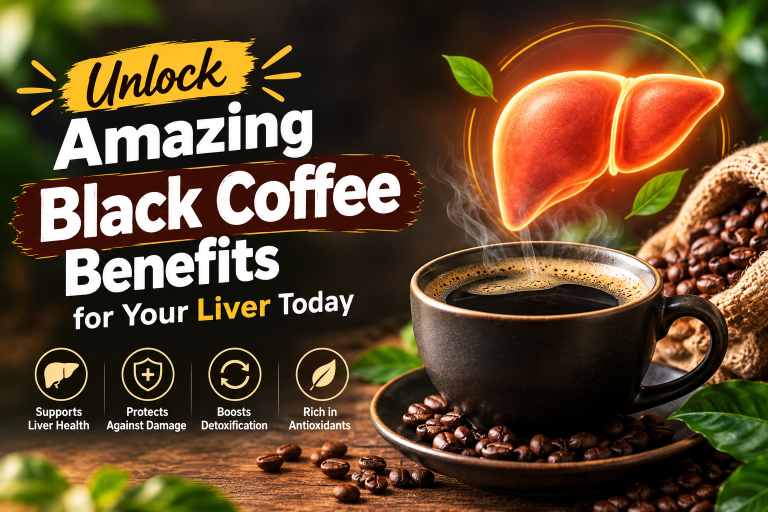

Welcome! You might be surprised by how a simple cup of black coffee can do more than just wake you up in the morning. If you’re eager to explore the benefits of black coffee, stay with me. We’ll walk through why this beverage can be a real game-changer for your body, your mind, and even your daily routine. You don’t need to drown your coffee in cream or sugar to make it taste good or give you a jolt of energy. In fact, black coffee itself has a wide range of perks that many people overlook. Let’s dive in and discover why going “black” can be so rewarding. After all, it’s not just about flavor—it’s about giving yourself a daily boost you can feel good about.
Before we start, let’s do a quick note: while black coffee has many potential upsides, it’s always wise to consider any personal health conditions, caffeine sensitivity, or medication interactions. As with most things in life, a bit of moderation goes a long way. Now, let’s chat about what black coffee brings to the table, from mental sharpness to physical energy, and everything in between.
Why black coffee matters
You’ve probably heard conflicting stories about coffee. Some say it’s a miracle beverage, while others claim it’s better to steer clear. Black coffee often gets lumped in with sugary, cream-laden drinks that you might find in coffee shops. But plain black coffee is in a category all its own. It’s basically coffee beans and water—no frills, no fancy toppings. That simplicity can make a world of difference.
When you skip creamers, sweeteners, and flavored syrups, you’re looking at fewer additives and fewer calories. A standard cup of black coffee (the kind you might brew at home in the morning) usually has only a few calories. So if you’re trying to cut back on sugar, it’s an easy way to lighten your daily load.
Beyond the calorie count, focusing on black coffee can help you appreciate the actual taste of the beans. Coffee has a variety of natural flavors that can be nutty, chocolatey, or even fruity, depending on the bean origin and roast level. That flavor complexity sometimes gets overshadowed by sweeteners. But if you train your palate to enjoy black coffee, you’ll start to notice these subtle notes. You might even find you can savor a cup of coffee more deeply—like a cozy ritual that wakes up your senses as much as your brain.
Of course, you also get caffeine, which is one of the main reasons many of us reach for the coffee pot. That little chemical compound has big effects: it can make you feel alert, potentially improve focus, and help you power through tasks. But there’s much more to black coffee than a quick energy spike. Let’s walk through the main nutrients, potential mental benefits, and ways it can support your overall well-being.
Look at the main nutrients
When you think of coffee, you likely picture a hot mug of dark liquid. You might not think of it as a source of nutrients. Yet black coffee has a few surprising components that can provide a small (but meaningful) nutritional lift. It’s not going to replace your multivitamin, of course, but every bit helps.
Why does all of this matter to you? Because every nutritious choice you make in a day can add up. If you replace a sugar-laden coffee beverage with black coffee, you’re giving yourself a lower-calorie, potentially antioxidant-rich drink instead. That’s a small change that could make a difference over the long haul, especially if you’re sipping coffee daily. Plus, if weight management is on your mind, the benefits of black coffee start to shine even brighter—particularly when we talk about metabolism and calorie control.
Benefit your mental focus
Sometimes you just need a moment of clarity. That’s where black coffee can be a reliable ally. It’s widely known that the caffeine in coffee can boost alertness and help you avoid dozing off halfway through a work meeting or a study session. But how does that translate into a genuine advantage in your day?
- Heightened alertness: Because caffeine blocks certain neurotransmitters in your brain, it can spark the release of other chemicals that keep you awake and alert. Think of it like flipping on the lights in a dimly lit room. Suddenly you can see everything clearly, and you’re ready to tackle the tasks at hand.
- Possible cognitive improvements: Research suggests that moderate caffeine intake may enhance certain cognitive functions, including memory, reaction time, and even problem-solving skills. This can be particularly handy when you’ve got a big project on your plate or when you’re working with tight deadlines. Drinking black coffee during your morning routine or study breaks can give you a gentle push to stay on top of your tasks.
- Quick mood boost: Ever notice how a nice cup of coffee can shift your mood from grumpy to upbeat? It’s not just your imagination. Caffeine can help raise dopamine levels (a feel-good neurotransmitter) in your brain. While black coffee isn’t a miracle solution for deeper mood issues, it can provide a small mental lift that eases you into a better headspace.
- Focus during workouts: If you’re into fitness (running, weightlifting, or even yoga), having a cup of black coffee beforehand might help you remain focused on your workout. That sharper concentration can lead to more productive sessions, especially if you’re trying to maintain good form or follow a complex routine.
A small word of caution: too much coffee can lead to nervousness or even jittery feelings, which obviously won’t help you focus. That’s why it’s wise to find the sweet spot—just enough coffee to sharpen your mind, but not so much that you feel on edge. It’s also worth noting that tolerance levels vary. Your best friend might be fine with four cups a day, while you might feel anxious after just two. Pay attention to how your body reacts, and you’ll quickly discover what works best for you.
Aid your weight goals
Here’s where the benefits of black coffee really come into play for many people. If you’re watching your weight, black coffee can be a powerful ally because it offers an energy boost without piling on extra calories or sugar. It lets you sip something flavorful and energizing without undermining your progress.
At the end of the day, weight management isn’t about an all-or-nothing approach. It’s about small, consistent actions that add up. Swapping a sugary latte for a cup of black coffee a few times a week could be one of those little changes that make a bigger difference than you think. Combine it with mindful eating and regular physical activity, and black coffee becomes a welcome companion on your journey.
Boost your workout performance
If you’ve ever grabbed a quick espresso shot before running out the door to the gym, you probably know the burst of drive it can bring. That’s not just a placebo effect: caffeine, found abundantly in black coffee, has long been associated with enhanced sports and exercise performance. Let’s see why that happens.
- Improved endurance: Studies suggest that caffeine can help reduce the feeling of fatigue during prolonged exercise. This is great news if you’re into long-distance running, cycling, or any activity that requires stamina. With less perceived exertion, you can possibly keep going for a bit longer.
- Muscle preservation: There’s some evidence indicating that caffeine may help prevent or delay muscle fatigue. While it won’t transform you into a marathon champion overnight, it could give you a slight edge, especially on days when you’re feeling sluggish.
- Swift reaction times: The mental alertness and quicker reflexes from caffeine can also come in handy for sports that demand fast decision-making. If you enjoy basketball, tennis, or any team-based sport, black coffee might help you stay sharp and react a split-second faster to game situations.
- Greater motivation: Sometimes, the biggest hurdle to exercise isn’t physical, it’s mental. You might just not feel “into it.” Having a small cup of coffee before your workout could lift your mood and boost your willingness to push through tough sets.
Of course, you don’t want to rely fully on coffee as a performance enhancer. Overdoing caffeine may cause unpleasant side effects like jitteriness, an upset stomach, or rapid heartbeat. And if you’re exercising late in the day, watch your intake so it doesn’t interfere with your sleep. But if you time it right—maybe one cup about half an hour before your workout—you might find it’s a simple, affordable strategy to get a bit more out of your fitness routine.
Protect your long-term health
Beyond everyday energy boosts, black coffee might lend support to your overall wellness in some intriguing ways. Nutrition experts and researchers have studied coffee for years, and while findings vary, there’s a pattern suggesting that moderate coffee intake could be associated with certain long-term health benefits.
No single food or drink can guarantee you won’t face health issues. Eating a balanced diet, staying active, managing stress, and getting consistent checkups are all cornerstones of long-term wellness. But black coffee could be a helpful addition—mainly if you enjoy it regularly in moderate amounts and avoid loading it with sugar or cream. Think of it as part of a bigger puzzle that supports a healthy lifestyle, rather than a magic bullet.
Brew methods to try
Now that we’ve explored many of the benefits of black coffee, you might be wondering how to make your own cup that’s not only healthy but also delicious. Brewing method can dramatically affect the taste of black coffee, so it’s worth experimenting. Here are a few popular ways to brew:
- Drip coffee maker: This is the everyday machine you might have on your kitchen counter. It’s straightforward, consistent, and easy to use. Paper filters can trap some oils, giving you a cleaner, lighter flavor, which can be great if you’re just getting used to black coffee.
- French press (or press pot): If you enjoy a richer, more full-bodied taste, a French press might be right for you. Here, you let coarsely ground coffee steep in hot water before pressing down a plunger that separates the grounds. It delivers a robust cup with more of the coffee oils intact.
- Pour-over: This process involves pouring hot water over coffee grounds in a cone-shaped dripper, often with a paper filter in place. It’s a bit more hands-on and requires careful technique, but pour-over fans love how it highlights delicate flavor notes.
- Espresso machine: Espresso is made by forcing hot water through finely ground coffee at high pressure. The result is a small shot of concentrated coffee that can be quite intense. If you can appreciate darker roasts and strong flavors, espresso might become your go-to. Just be aware that it’s also higher in caffeine per ounce.
- Cold brew: In this method, coarsely ground coffee is soaked in cold or room-temperature water for around 12 to 24 hours, then strained. The result is a smooth, low-acid coffee concentrate that you can dilute with water or ice. Many people find cold brew less bitter, making it more approachable if you’re not used to black coffee’s bite.
No matter which method you choose, remember that the type of bean, the roast level, the grind size, and even your water quality will shape the final taste. Experimenting is half the fun. Start with smaller batches so you can tweak your approach. Whether you like a light floral roast or a dark, smoky one, there’s a black coffee out there that fits your palate.
Use moderation and caution
It’d be wonderful if one cup of coffee solved all your problems—unfortunately, real life is more nuanced. While the benefits of black coffee make a compelling case for sipping it without milk or sugar, it’s still important to remember that caffeine is a stimulant. That means you can overdo it if you’re not careful.
A good rule of thumb is to keep daily caffeine consumption below 400 milligrams (roughly four 8-ounce cups of coffee). Again, that’s a general guideline, not a one-size-fits-all rule. If you feel uneasy or can’t sleep, dial it back until you find your sweet spot. Moderation lets you enjoy black coffee’s perks without overloading your system.
Fit black coffee into your routine
So, how do you fold a black coffee habit seamlessly into your lifestyle? If you’ve been used to a creamy latte, the transition might feel a bit drastic. That’s okay—you can take it in small steps. Here are a few ideas for making black coffee a regular part of your day:
- Gradual reduction of add-ins: You don’t have to scrap your sweeteners overnight. Try using half the amount of sugar or cream you normally do. Then each week, reduce it a little more. Over time, your taste buds adapt to a less sweet flavor.
- Start your day: Many folks pair their morning alarm with a cup of coffee. If you do this, consider making that first cup black. Drinking it earlier in the day means the caffeine has time to wear off before bedtime, hopefully leading to smoother sleep.
- Strategic timing: If you need extra focus at work or school, have a small cup of black coffee about 30 minutes before you tackle important tasks. You’ll likely find that you feel more awake and ready to concentrate.
- Pre-workout boost: If you enjoy exercising in the morning or shortly after work, try sipping black coffee beforehand. Just be mindful of how your body handles caffeine during physical activity. A bit is great for energy, but too much might leave you jittery.
- Social coffee dates: Meeting a friend for coffee doesn’t have to mean a sugary milkshake-like beverage. If you’re at a coffee shop, look at their regular brewed coffee or ask for an Americano (espresso diluted with hot water). It has a smooth taste that’s not far from drip coffee, and you can often select the espresso roast.
- Explore different beans: Trying new coffee beans is like exploring different varieties of tea or wine. Each bean has a unique flavor profile. You may discover a particular roast that tastes naturally sweet or less bitter, making it easier to skip the cream and sugar altogether.
The beauty of black coffee is its versatility. You can shape it around your schedule, whether you want a quick jolt of energy in the morning, a calmer midday pick-me-up, or a targeted pre-workout boost. Over time, you might find that black coffee doesn’t just become a beverage—it becomes a small daily ritual you look forward to.
Final takeaway
By now, you’ve learned that the benefits of black coffee go well beyond a simple pick-me-up. This unassuming drink offers potential advantages for weight management, cognitive focus, physical performance, and even long-term health. Drinking coffee black also means you’re side-stepping unnecessary added sugars and calories, which could make a difference if you’re aiming for healthier habits overall.
You don’t need to be a coffee purist to give it a try. Experiment with brew methods, bean origins, and roast levels until you find one that hits the spot. Be mindful of caffeine’s effects and keep an eye on your intake. That way, you can enjoy a smoother experience—and see for yourself how a plain cup of coffee might help power you through the day.
Thanks for sticking with me on this deep dive into black coffee. If you feel inspired, why not brew a fresh cup right now? Enjoy the aroma, appreciate the flavor, and see how it makes you feel. Whether you’re a student pulling an all-nighter, a parent juggling a million things, or a fitness enthusiast looking for an edge, a cup of black coffee could be the friendly companion you never knew you needed. Cheers to discovering your new caffeinated best friend!