
Ever wondered why black coffee is good for you and how it might boost your day-to-day routine? You’re in the right place. A simple cup of black coffee delivers more than just a morning jolt. In fact, it can supply nutrients, energize your workouts, and even help you keep your waistline in check. Let’s walk through the many reasons black coffee deserves a place in your daily lineup.
Embrace black coffee daily
Black coffee is nothing fancy—just coffee beans brewed in water without milk, cream, or sugar. Yet that simplicity is exactly why it shines. By leaving out extras, you’re sipping coffee in its purest form.
Drinking black coffee daily can be a smart habit for several reasons. First, it’s low in calories—just about 2 calories per cup. Compare that to a sugary latte that can run 100 calories or more, and you see how black coffee helps you cut back without feeling deprived.
Quick stat check
Black coffee also minimizes added sugars that could lead to blood sugar spikes or an afternoon crash. So if you’ve been looking for an easy way to tidy up your diet, black coffee might be a fantastic starting point.
Boost mental focus
Ever notice how your brain seems to “switch on” once you’ve had your morning coffee? That’s thanks in large part to caffeine. When you drink black coffee, you get a concentrated dose of caffeine that may enhance alertness and help you think more clearly.
How it works
Your body absorbs caffeine, which then travels to your brain and blocks adenosine (a chemical that makes you feel tired). With adenosine out of the way, other neurotransmitters like dopamine can flow more freely, increasing energy and improving focus. This effect can be particularly helpful during study sessions or busy workdays when you need to stay sharp.
Brain-boosting tips
- Sip your black coffee about 30 minutes before a task that requires deep focus.
- Spread out coffee consumption throughout the day (e.g., morning and early afternoon) instead of chugging several cups at once.
- Stay mindful of your sleep schedule—cut off caffeine at least six hours before bedtime to avoid restless nights.
Elevate workout performance
If you love to exercise or want to push yourself more during workouts, black coffee could be your secret weapon. Thanks to caffeine’s stimulating properties, it can raise your heart rate slightly, improve reaction times, and reduce perceived exertion (basically, your workout may feel a little easier).
Before you hit the gym
Research suggests caffeine may also help your muscles use fatty acids for energy, sparing glycogen (stored carbs in your muscles) for more sustained activity. This boost can come in handy during endurance events like long-distance running or cycling.
Support weight goals
A major reason why black coffee is good for you is its potential support for weight management. From leveling up your metabolic rate to helping you skip hidden calories, black coffee can keep you on track if you’re watching your waistline.
Metabolic pick-me-up
Mindful calorie control
When you drink black coffee, you eliminate the extra sugar, syrup, and fat that pile up in specialty drinks. If you’re swapping a daily latte for black coffee, you could save hundreds of calories each week—enough to affect your overall calorie balance and possibly support weight loss.
Protect from disease risk
Beyond giving you a morning kick, black coffee contains beneficial compounds like antioxidants. These compounds can help protect your cells from oxidative stress, which occurs when unstable molecules (free radicals) damage cells in your body. Chronic oxidative stress is linked to several health issues, including heart disease and inflammation.
Antioxidants in every cup
Coffee beans naturally boast antioxidants such as chlorogenic acids (known to help with glucose regulation). When you brew black coffee, you preserve more of these antioxidants compared to coffee loaded with added fats and sugars.
Possible long-term supports
While no single food or drink guarantees perfect health, some research connects regular coffee consumption with:
Keep in mind, coffee’s disease-fighting benefits work best alongside an overall healthy lifestyle—think eating balanced meals, exercising consistently, and sleeping adequately.
Improve mood and alertness
Another perk of sipping black coffee is its impact on mood and alertness. That slight energy boost promotes a more positive, can-do attitude throughout the day.
Mood boosters
Watch for jitters
Of course, everyone’s caffeine tolerance is different. Some people can happily drink three cups of black coffee before noon, while others might feel shaky after half a cup. If you notice nervousness, anxiety, or a racing heartbeat, try cutting back or spacing out your coffee intake.
Savor the pure flavor
Let’s be honest—coffee is often as much about flavor as it is about function. Drinking it black allows you to appreciate the bean’s nuances and unique taste profile.
When you explore black coffee, you might discover that certain roasts pair beautifully with certain meals. A nutty medium roast might be perfect with your morning oatmeal, while a bright, fruity Ethiopian blend could be a great afternoon treat.
Tips for developing your palate
- Taste test different roasts side by side.
- Drink coffee slowly to notice how the flavor changes as it cools.
- Experiment with various brewing methods (e.g., pour-over, French press, or drip) to find your favorite taste and texture.
Consider potential side effects
While black coffee has plenty of upsides, it’s wise to keep potential concerns in mind. One primary factor is caffeine, which can vary a lot depending on the type of coffee and how it’s brewed.
The caffeine factor
If you’re sensitive to caffeine, you might want to limit black coffee to one or two cups early in the day. Pregnant individuals or anyone with specific medical conditions should consult a healthcare professional regarding caffeine intake.
Possible downsides
Moderation is key. Aim for a sweet spot where you feel energized but not jittery.
Brew an optimal cup
When you’re ready to embrace everything black coffee has to offer, it helps to know the best ways to brew. Different methods can affect flavor, caffeine content, and even how many antioxidants remain in your cup.
Popular brewing methods
- Drip coffee: This classic approach is convenient for making multiple cups at once. It provides a balanced flavor if you use fresh, high-quality grounds.
- French press: This allows coffee grounds to steep in hot water for several minutes. You’ll end up with a full-bodied flavor because the mesh filter lets more oils through.
- Pour-over: A slower, more deliberate technique that involves pouring hot water in a circular motion through a coffee filter. This method can highlight subtle flavor notes.
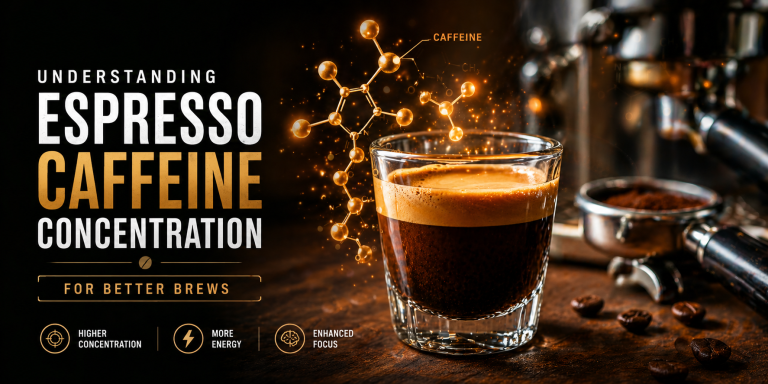
- Espresso machine: If you love intensity, espresso delivers a concentrated shot of coffee. Just keep in mind that espresso can pack a higher caffeine punch per ounce.
Equipment and tips
Table: Black coffee vs sweetened coffee
Below is a quick comparison of black coffee and a sweetened coffee drink with cream and sugar. Keep in mind, this is a general example—actual calorie counts and sugar levels can vary by brand and preparation.
|
Category |
Black Coffee (8 oz) |
Sweetened Coffee w/Cream (8 oz) |
|
Approx. Calories |
2 |
70–150 (or more) |
|
Sugar Content |
0 g |
10–20 g |
|
Fat Content |
0 g |
3–8 g |
|
Flavor Profile |
Pure, bold coffee taste |
Creamy, sweet, less coffee taste |
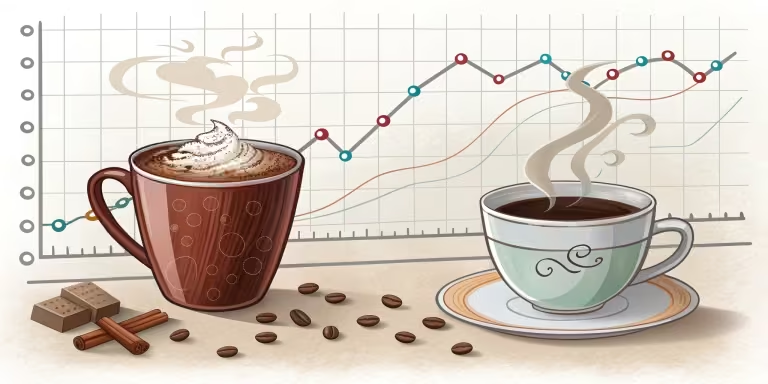
From a pure health standpoint, black coffee keeps added calories and sugars at bay. That doesn’t mean you have to give up milk altogether, but if you’re trying to get the most from coffee’s nutrients while limiting extras, black is the way to go.
Recap the key perks
So, why is black coffee good for you? In short, it’s an all-around lifestyle ally. It can sharpen your focus, give you more energy to tackle workouts, and potentially support weight-management goals. Plus, you gain a dose of antioxidants that provide a degree of protection against certain health risks.
Each cup you drink is a chance to enjoy coffee at its simplest. No whipped cream, syrup, or complicated add-ons—just pure coffee flavor. And while moderation is essential to avoid caffeine overload, black coffee can be a healthy, delicious, and budget-friendly part of your daily routine.
Next steps
That’s the beauty of drinking black coffee: it’s an easy habit to adopt and can open the door to appreciating coffee in a whole new light. So tomorrow morning, skip the milk and sugar. Let yourself savor the natural depth of the beans, and see if you notice a difference in both your energy and mood throughout the day. Enjoy your coffee adventure—you might just become a lifelong black coffee fan.