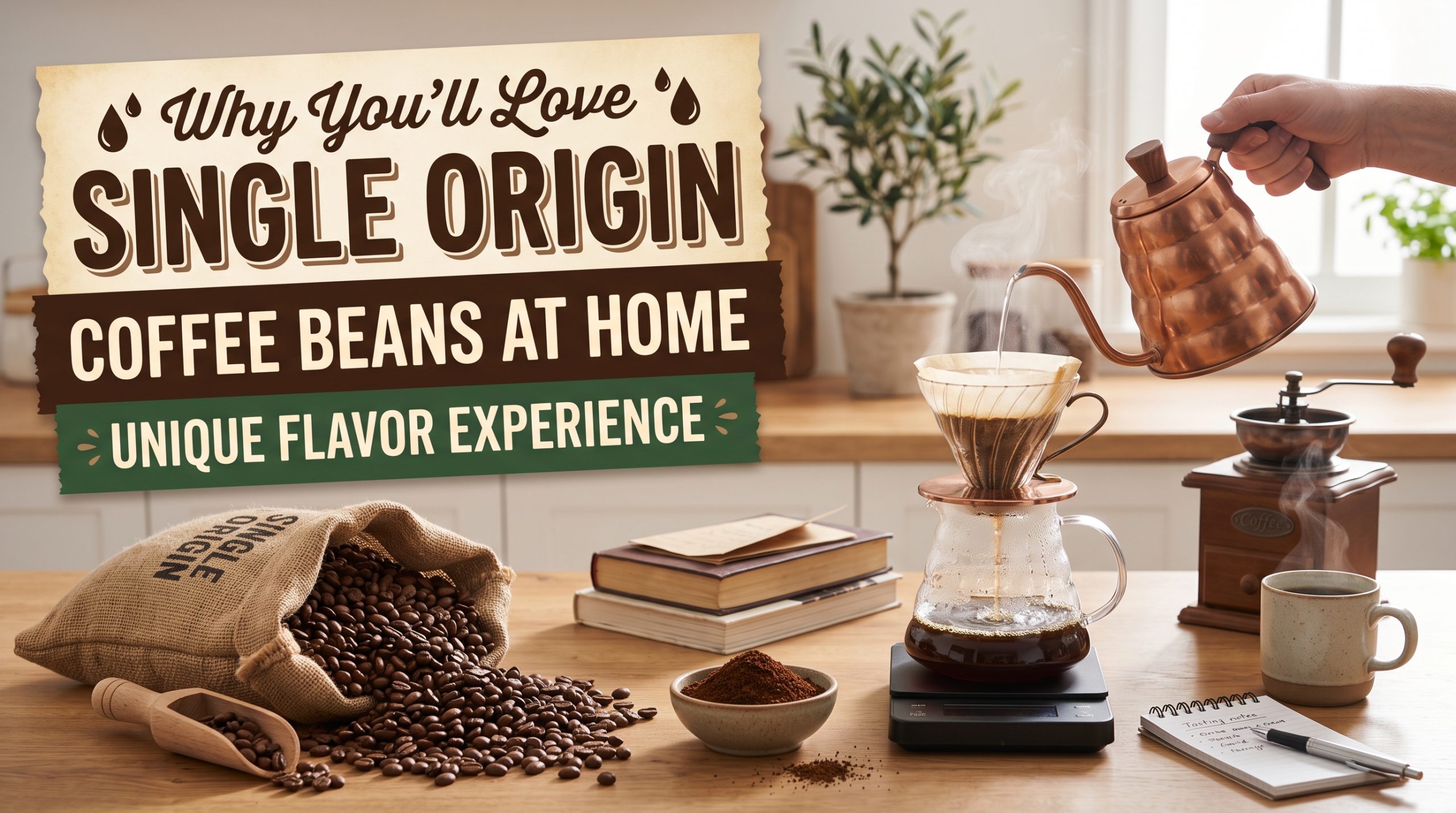
Experience single origin coffee beans right in your kitchen, and you’ll discover a world of complexity and flavor that traditional blends can’t always match. If you’ve ever wondered why coffee enthusiasts rave about beans sourced from a single region, you’re in the right place. In this guide, you’ll learn what single origin means, how it impacts taste, and the best brewing methods to highlight those nuanced notes. Whether you’re a casual coffee lover, a home brewer looking to up your game, or even a specialty café owner who wants to share consistent quality with customers, single-origin coffee beans are worth exploring.
Experience single origin coffee beans
Single-origin coffee beans are grown within a single geographic region, often from one farm or cooperative. This specificity matters because flavor profiles naturally change based on soil conditions, altitude, climate, and even local processing techniques. When you buy beans that come from just one area, you can taste the unique characteristics of that land in every sip. Unlike blends, which mix beans from multiple sources, single-origin beans offer a pure, unaltered snapshot of a particular place and culture.
What are single origin coffee beans
You might see terms like “single farm,” “single estate,” or “microlot” on coffee packaging. These labels usually boil down to one thing: the beans come from a single location. Growing coffee in one region means the farmers can carefully monitor factors like shade cover, soil quality, and harvesting practices. So, if you love picking up on subtle hints of fruitiness or a distinct chocolate note, single-origin beans let those flavors shine.
If you think of a wine region, like Bordeaux in France, it’s a similar idea. The grapes reflect local terroir, giving a specific flavor you can’t duplicate elsewhere. Single-origin coffee beans follow the same principle. They’re the next step if you’ve been exploring different coffee bean varieties and want a deep dive into something more specialized.
Savor unique flavor profiles
One of the biggest draws of single-origin coffee is flavor variety. Some varieties sing with citrus notes; others have a velvety, chocolaty finish. It’s all driven by origin. Coffee grown in the high altitudes of Ethiopia may have delicate floral undertones, while beans from volcanic-rich Guatemala might reveal smoky, spicy hints. Tasting single origin coffee beans is like taking a mini tour of that country’s culture and climate, without leaving your kitchen.
Of course, you can find exceptions in every origin due to microclimates and farming methods. Still, these general patterns give you a clue what to expect from each region. If variety is the spice of life for you, then single-origin will keep your taste buds happily guessing.
Compare single origin vs blends
Why do coffee roasters even bother blending beans? Blends can create a stable, consistent coffee profile that might be easier to replicate year-round. They often combine beans from various regions to produce a balanced flavor. For instance, you might have a roaster take bright, acidic beans from one country and round them out with fuller-bodied beans from another. The result? A predictable, “house” flavor.
Single origin, on the other hand, can offer the thrill of a specific, sometimes rare taste. Farmer-to-farmer differences, weather patterns, and crop variations make these beans feel more personal, but they also mean flavor can shift from season to season. If you like consistency in your morning cup, a blend might be your go-to. But if you want to explore and appreciate nuance in your brew, single-origin coffee beans can be a fascinating adventure.
Here’s a quick comparison table to keep things crystal clear:
| Aspect | Single Origin | Blends |
| Source | One geographic region | Multiple regions |
| Flavor Consistency | Varies year to year, season to season | Generally consistent |
| Complexity | Highlights unique regional notes | Balances multiple flavor characteristics |
| Availability | Can be limited or seasonal | Usually more readily available |
Learn about different regions
Diving deeper into single-origin varieties often involves exploring major coffee-growing regions. Each region carries its reputation for what you can taste in the final brew. With coffee bean varieties, the possibilities feel almost endless. But let’s start with a broad look at Latin America, Africa, and Asia. Keep in mind, these are just snapshots, so don’t be surprised if the clues you pick up in your cup go beyond the basics.
Latin American beans
Latin America stretches from Mexico to Central America and down into South America, offering a wide range of climates. Beans from countries like Colombia, Guatemala, and Brazil are extremely popular. In general, you might pick up on:
Guatemala’s volcanically influenced soils produce beans with a subtle spice. Colombian regions are famous for an all-around, balanced profile. Meanwhile, Brazil, the world’s largest coffee producer, often yields beans that are nutty, low in acidity, and sweet.
African beans
Some coffee fans swear their favorite beans come from Ethiopia, the birthplace of coffee. African coffees often show off fruit-forward or floral bouquets with a bright acidity. Expect to find:
Ethiopia has multiple growing regions like Yirgacheffe and Sidamo, each with its distinctive personality. Kenyan coffee can sport tangy, wine-like acidity. If you enjoy a tangy punch or a delicate tea-like taste, exploring African single-origin coffee beans may reveal delightful surprises.
Asian beans
Coffee-growing regions in Asia cover Indonesia, Vietnam, India, and beyond. Indonesian coffees, notably from Sumatra or Sulawesi, are widely appreciated for their deep, earthy character and syrupy body. Meanwhile, beans from India tend to be lower in acidity with a subtle spiciness.
You might encounter:
If you love a bold, full-bodied coffee, look for Indonesian single-origin coffee beans. They’re often an excellent choice for espresso or French press methods.
Select your perfect roast
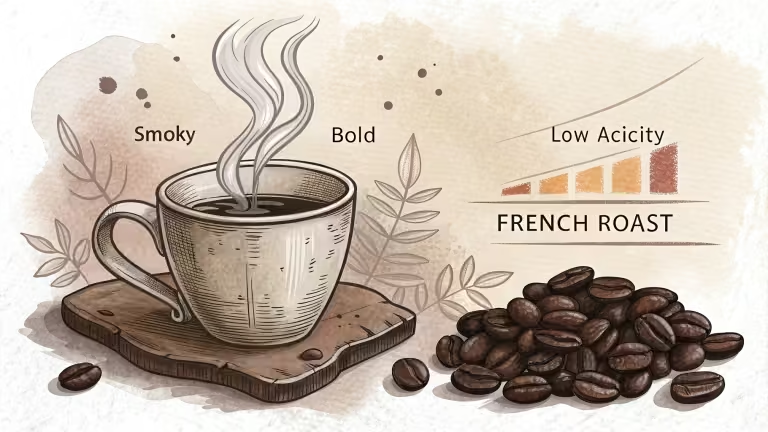
When it comes to single-origin coffee, roast level can make a huge difference. Light roasts preserve more of the bean’s original flavors, letting unique regional notes dominate. Medium roasts bring out a balanced sweetness, often with hints of caramelization. Dark roasts, while comforting in their richness, can overshadow some of the origin’s subtleties. The roast level you choose comes down to how much of the bean’s intrinsic character you want in the cup.
If you’ve never tried single origin coffee beans before, start with a light or medium roast. That way, you can fully appreciate those unique flavors you’re paying for. Later on, if you find the acidity too sharp, a darker roast might mellow it out.
Store beans for peak freshness
The way you store your coffee beans matters more than you might think. Oxygen, heat, light, and moisture are enemies of freshness. Once the beans start losing aromatic compounds, the cup can taste dull or flat. Because single-origin beans often command a higher price, you want to keep them at their best.
Of course, you’ll want to check the roast date on the package. Aim to use your beans within about two to three weeks of the roast date for optimal taste. Some beans will stay fresh a bit longer, but you don’t want to stretch them too far. Fresher is generally better, especially when you’re dealing with delicate flavor nuances.
Master brewing techniques
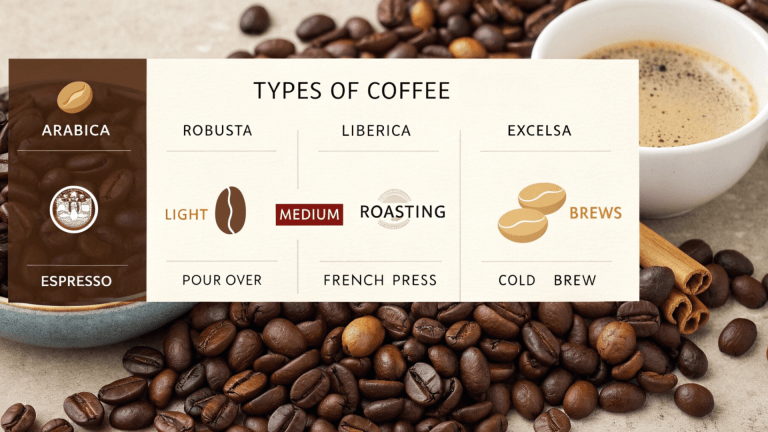
Brewing single origin coffee beans at home is an art. Luckily, you don’t need a fancy café setup to extract the best flavors. A handful of brewing methods can bring out different aspects of your coffee’s character. You can experiment with pour-over for clarity, French press for body, or espresso for intensity until you find your sweet spot.
Pour-over
Pour-over brewing uses a filter cone and hot water poured slowly over freshly ground beans. This method highlights the delicate, bright notes of your coffee. If you have Ethiopian or Kenyan beans with fruity or floral hints, pour-over can help those flavors sing. The key is a steady pour and controlling variables like water temperature (around 195-205°F) and grind size (medium-fine).
Follow these steps:
- Rinse your filter with hot water to avoid a paper taste.
- Measure coffee (about 1 to 2 tablespoons per 6 ounces of water) and grind fresh.
- Bloom the grounds by pouring a small amount of water, then let it sit for 30 seconds.
- Slowly pour the rest of your hot water in concentric circles.
The result is a clean, bright, and layered cup that lets you enjoy the bean’s nuances.
French press
The French press is laid-back and forgiving. Here, you combine coarsely ground coffee and hot water, wait around four minutes, then press the plunger down. Because there’s no paper filter, you can expect more oils in the final cup, giving it a richer mouthfeel. This method works well for Indonesian single-origin coffees, for instance, if you love the full-bodied experience. You can also experiment with Latin American beans to see if you enjoy the extra depth the press offers.
Follow these steps:
- Preheat the French press with hot water.
- Add coarsely ground coffee (roughly one tablespoon per 4 ounces of water).
- Pour the hot water, stir gently, and cover.
- Wait about four minutes, then slowly lower the plunger.
Your result: a strong, robust cup that retains more of the coffee’s essential oils. Just be careful with over-extraction if you leave the press too long. That can lead to a bitter taste.
Espresso
Espresso is short in volume but huge in flavor. Brewing single origin coffee beans as espresso can reveal hidden complexities. The high-pressure extraction zeros in on every nuance, good or bad. This is why some baristas love single-origin espresso for specialty drinks. If you’ve got a home espresso setup, try a Latin American bean for a well-rounded shot, or go with an African bean to experience a bright, vibrant pull.
Keep in mind:
Because espresso is so intense, it’s also a great way to see what you genuinely love or dislike in a single-origin bean. The flavors have nowhere to hide; it’s all on display in that tight shot.
Discover creative coffee pairings
If you think single origin coffee beans only pair well with a morning pastry, think again. Different flavor profiles can match up beautifully with a wide range of foods. The right pairing can accentuate specific notes in your brew and make each sip more intriguing. Try a few of these ideas to elevate your coffee enjoyment:
Feel free to get creative with your pairings. Love salted caramel? A Guatemalan coffee might accentuate the sweetness and add a subtle spice. If you enjoy a sweet pastry in the morning, consider a Colombian or Brazilian single-origin for that balanced, crowd-pleasing flavor.
Explore the journey from farm to cup
When you brew single origin coffee beans, keep in mind you’re sipping the fruits of someone’s hard work across the globe. This journey from farmer to roaster to your kitchen is fascinating. If you’re curious, many specialty roasters include details about the farm or cooperative on their packaging or website. You might learn about the family behind your favorite beans, the harvest season, or even the method used to process the coffee cherries (washed, natural, honey-processed).
Showing appreciation for the effort that goes into producing high-quality beans can also widen your perspective on fair-trade or direct-trade practices. These practices aim to ensure farmers get a better deal, encouraging sustainable farming and better living conditions in coffee-growing communities. So, when you pick up that bag labeled “single origin,” you might also be supporting a more ethical supply chain.
Enhance your coffee education
If you’re determined to become a single-origin connoisseur, don’t stop at brewing. Explore coffee cupping (similar to wine tasting) for a systematic way to evaluate coffee. You smell the aromas, slurp the brew, and note characteristics like acidity, body, and aftertaste. Tasting charts and flavor wheels can help you identify flavors you might not have recognized. You’ll notice new hallmarks: maybe a hint of stone fruit in that Ethiopian or a faint toasted almond note in that Brazilian.
Many roasters offer cupping events or tasting sessions, either online or in person. Taking part can sharpen your palate and help you figure out which origins or roast levels you honestly prefer. Reading up on the variety of beans, from Bourbon to Typica, also deepens your knowledge. Some coffee shops or specialty cafés even highlight the bean variety used and the story behind each farm so that you can dig deeper into the science and craft behind every cup.
Troubleshoot common issues
Even with premium beans, a few things can go wrong in the home brewing process. Here’s a quick cheat sheet:
| Symptom | Possible Cause | Suggestion |
| Flat or dull taste | Beans past prime | Check roast date, store in an airtight container |
| Excessive bitterness | Over-extraction or dark roast | Shorten brew time, adjust grind, or try a lighter roast |
| Sour or underdeveloped taste | Under-extraction | Grind finer, brew longer, or slightly raise water temp |
| Inconsistent flavor | Uneven grind size | Use a burr grinder for uniform grounds |
If you’re new to single origin coffee beans, you’ll probably need to experiment a bit. Don’t be afraid to tweak your water temperature, grind size, or brew duration. Taking notes on each change you make can help you replicate a successful cup or avoid a second flop.
Appreciate seasonal variations
One remarkable aspect of single origin coffee beans is that they’re seasonal. Plants have growing, flowering, and harvesting cycles, so their flavors can change slightly from year to year. This shift can make shopping for beans an adventure. You might love a Colombian from a particular farm in June and find it tastes a bit different next harvest. That uncertainty keeps it exciting. It’s also why you may see certain single-origin varieties in limited runs or pop-up appearances at your favorite specialty café.
Invite conversation and community
Coffee isn’t just a beverage; it’s a culture and a conversation. When you serve single origin coffee beans at home, you can spark interesting chats about what “origin” really means. Ask your guests to describe what they taste: is it a citrus tang or a chocolatey aftertaste? You’ll be surprised how varied each person’s palette can be.
If you frequent social media groups or local coffee clubs, share your tasting experiences. Whether you’re a barista, a coffee trader, a student, or just someone who loves a good cup of joe, you’ll find like-minded people who want to hear what you’re brewing. You might swap brewing tips, recommend new farms, or even arrange bean swaps.
Check your equipment
When you transition into single origin coffee beans, you’ll want to confirm that your brewing gear is up to the task. A proper burr grinder, rather than a blade grinder, will ensure a more consistent grind size. Consistency is key for avoiding uneven extraction and off-flavors. If you’re using a drip coffee maker, make sure the water temperature is adequate (ideally between 195 and 205°F). You may also want to invest in a gooseneck kettle if you’re doing pour-over, because precise, controlled pours matter.
Refresh your coffee routine
Are you used to making coffee on autopilot each morning? Single-origin beans might snap you out of that habit. Because the flavors can be so distinctive, you’ll start paying closer attention to the little details, from your grind size to your water-to-coffee ratio. That sense of discovery and mindfulness can turn an everyday activity into a calming ritual.
It takes a bit more effort, but you’ll likely find you appreciate your coffee more when you slow down and explore its backstory.
Go beyond the cup
Single-origin coffee beans aren’t limited to a simple cup of hot coffee. If you’re into coffee-based drinks like lattes or cappuccinos, single-origin espresso shots can add a special twist. Prefer cold drinks? Use a flash brew or cold brew process to highlight a bean’s natural sweetness and minimize acidity. Just keep in mind that milk or added flavors can mask some of the more subtle tasting notes. That can be fun, too, if you want to experiment with mochas or flavored syrups. But if your goal is to experience the bean in its purest form, try it black first.
Consider the economic impact
Choosing single origin coffee beans can also impact the local economy of the region you’re supporting. Direct-trade relationships mean roasters work closely with farmers, paying them fair prices and even investing in community development. Over time, that can lead to improved farming methods, better quality, and a more sustainable livelihood for the farmers. So, in addition to elevating your morning brew, you may be contributing to a positive global trade model.
Balance cost and value
Yes, single origin coffee beans can cost more than blends or supermarket brands. Why? Because you’re paying for specialty-grade beans that are often rarer, grown by smaller farms, or processed with extra care. However, if you calculate the cost per cup, it might not be that high. Consider how many cups you can get from a bag compared to a single trip to a coffee shop. Home brewing is typically more economical, and you’re also enjoying a premium experience.
If budget is a concern, you can:
Key takeaways and next steps
Brewing single origin coffee beans at home opens up a world of flavors and experiences. You’re not just sipping any old cup. You’re tasting a specific region, roast level, and the artistry of the farmers and roasters who created it. Here are the final pointers to keep in mind:
Now it’s time to brew. Start by picking a region that piques your curiosity. Are you feeling those bright, fruity Ethiopian vibes, or do you crave the nutty smoothness of a Brazilian? Once you find a roast you love, pay close attention to your grind, water temperature, and brew technique. You’ll be amazed by the little details you notice. And if your first attempt doesn’t blow you away, no worries. Keep experimenting, keep exploring, and remember that each cup is an invitation to learn more. Happy brewing!