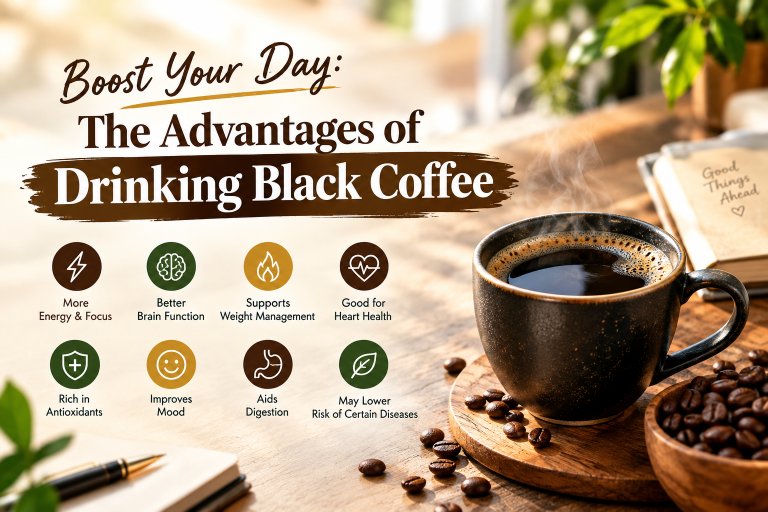
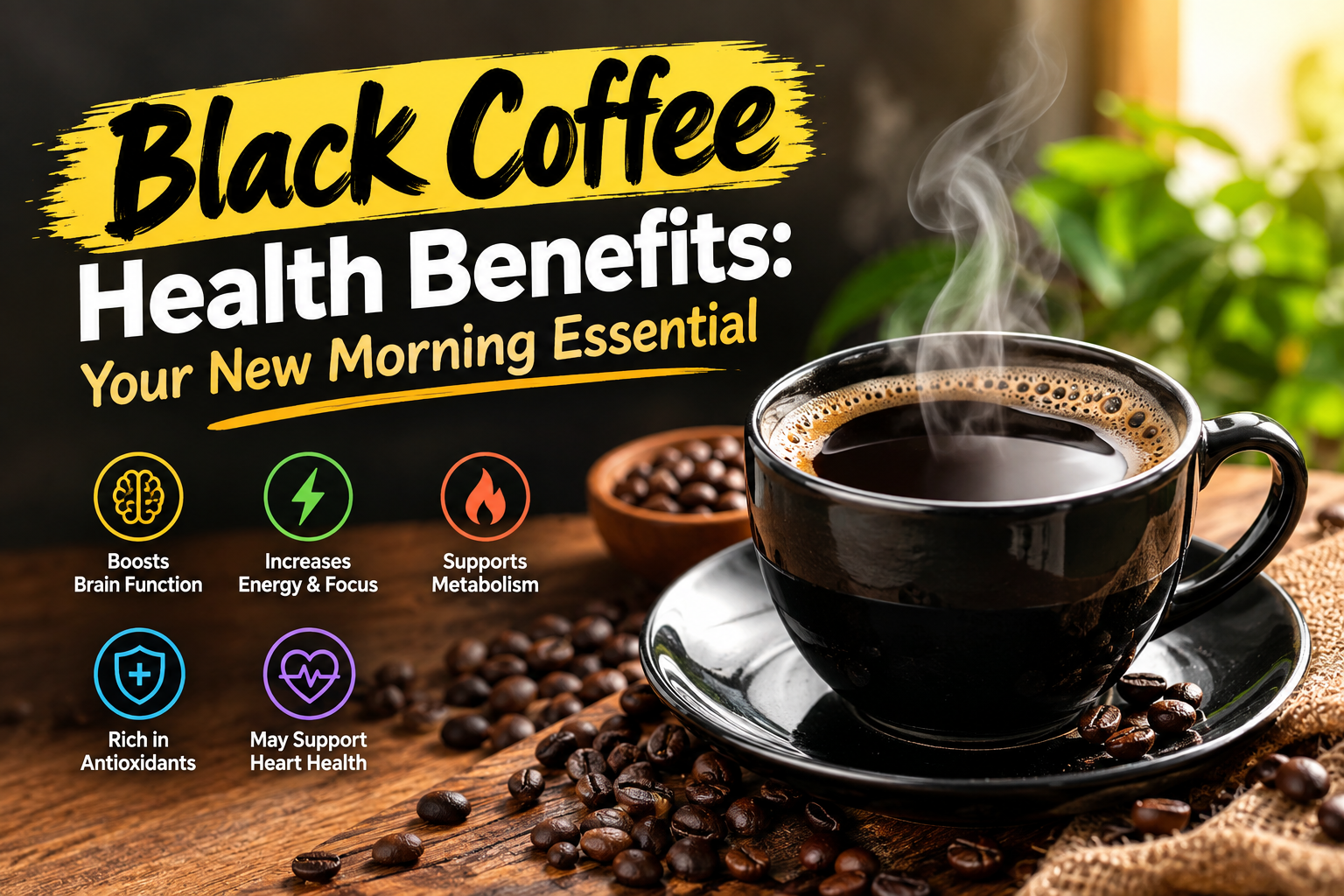
Black coffee. Two words that can send a cozy warmth through your body before you even take a sip. If you’re a fan of that morning jolt, you’ve probably wondered about black coffee health benefits. The good news is that choosing to drink your coffee black offers more than just an energy boost. It’s also one of the purest, simplest ways to enjoy your daily cup of joe.
Black coffee means no cream, no sugar, and no extras—just the naturally bold taste of roasted coffee beans. Because you’re skipping add-ons like dairy and sweeteners, you minimize extra calories and maximize potential health perks. And let’s be honest, there’s something satisfying about sipping a no-frills beverage that just gets the job done.
Plus, once you get used to black coffee, you might discover an entirely new world of flavors. Different beans and roasts can bring notes of chocolate, fruit, or even a hint of spice. Each cup can be its own unique experience. So whether you’re looking to adjust your fitness routine, boost your mental focus, or simply reduce the sugar in your diet, black coffee can do more than just wake you up—it can help you feel good in the process.
Key vitamins and minerals
You might be surprised to learn that there’s more to coffee than caffeine. When you drink it black, you’ll actually soak in some vitamins and minerals you might not immediately think of. It won’t replace your entire daily recommended intake of nutrients, but every bit counts when it comes to a healthier lifestyle.
Including black coffee in your routine can make it easier for you to get a small boost of these nutrients. Just remember, if you start loading your beverage with creamer, syrups, and whipped toppings, you’re also adding sugars, fats, and unnecessary calories. By sticking to black coffee, you keep your cup lean and beneficial.
Helps boost metabolism
One of the biggest benefits of drinking black coffee is the potential impact on your metabolism. You already know that caffeine can give you a quick energy surge, but caffeine is also linked to thermogenesis, a process that helps you burn calories more efficiently. Think of it as gently nudging your body to use energy a little more quickly. While it won’t magically erase a cheeseburger, every small push forward can help, especially if you’re watching your weight.
It’s worth noting that individual responses to caffeine can vary. Some people feel a hyper rush, while others notice only a subtle pick-me-up. Either way, the slight boost in metabolism is one of those subtle, long-term benefits that can make a difference when combined with balanced meals and everyday activity. If you’re already spacing out your meals, moving more during the day, and focusing on nutrient-dense foods, sipping black coffee is like adding another gear to your routine.
Making coffee part of a balanced lifestyle
Just remember, moderation is everything. Too much caffeine can leave you jittery or disrupt your sleep. So aim for a balance that keeps your energy stable and your mood upbeat.
Bolsters mental focus
Ever notice how you perk up after your first cup of coffee? Black coffee isn’t just a simple stimulant—it can also help sharpen your attention span. By blocking certain receptors in the brain that make you feel drowsy, caffeine helps you feel more mentally alert. This can come in handy if you’re prepping for an exam, racing against a work deadline, or just trying to stay on top of your daily to-do list.
If you’ve ever sat down at your desk, completely spaced out, and then realized you forgot your coffee, you’ll relate to the power of that single cup. There’s also evidence that a moderate amount of coffee may support cognitive function over time. Although more research continues to emerge, many coffee lovers swear by that mental clarity they get from a strong black brew.
Tips to boost focus with black coffee
- Sip in smaller amounts throughout the morning instead of downing a huge cup at once.
- Avoid drinking coffee too late in the day, as it could affect your sleep quality.
- Pair with short breaks or quick walks to clear your head and refresh your mind.
Keep an eye on how your body reacts. Some people experience a spike in anxiety if they have too much caffeine. If that’s you, limit yourself to one or two cups a day. As always, personalizing your caffeine intake to suit your own body and lifestyle is the best approach.
Potential liver protector
Your liver is a rock star organ. It processes toxins, assists in digestion, and helps balance your blood composition. Interestingly, studies suggest that black coffee might support liver health. There’s ongoing research exploring associations between moderate coffee intake and reduced risk of certain types of liver damage. While scientists are still working to fully understand the link, it’s believed the antioxidants in coffee may play a significant part.
Roasted coffee beans contain compounds called chlorogenic acids, which behave like antioxidants. Antioxidants help neutralize free radicals—those unstable molecules that can damage cells. By taking steps to protect your liver, you’re also supporting your overall health. Of course, a lot goes into liver wellness, including limiting alcohol, maintaining a balanced diet, and staying properly hydrated.
Caring for your liver every day
Think of black coffee as a small but possibly helpful puzzle piece in your daily choices that keep your body in good shape.
Enhances physical performance
That jolt of energy you feel after a cup of black coffee isn’t just a mental perk. It can also contribute to better physical performance. Many athletes and even casual gym-goers enjoy black coffee before a workout. The reasoning is twofold. First, caffeine can help reduce the perception of effort, meaning your workouts might feel a little easier. Second, it can tap into your fat stores for energy, conserving muscle glycogen (stored carbs) for later in your workout.
This can be particularly handy if you’re into endurance activities such as running, cycling, or long gym sessions. While coffee alone won’t turn you into a super athlete, the right timing can give you a natural boost. Still, remember that everyone’s tolerance is different. If you’re new to having coffee before exercise, start with a small cup and monitor how you feel.
How to fit coffee into your workout plan
Pay attention to how your body responds. If you notice a rapid heartbeat or feel jittery, scale back on your coffee intake or have a longer gap before your workout. The goal is to harness coffee’s energy-boosting qualities without overdoing it.
Possible disease prevention
When it comes to long-term wellness, black coffee continues to be a topic of interest. Some studies point to the possibility of reduced risk for certain diseases, notably type 2 diabetes and Parkinson’s disease, if consumed in moderation. The reason may lie in coffee’s unique blend of antioxidants and anti-inflammatory properties.
Let’s be clear: black coffee isn’t a magic shield. Lifestyle habits such as balanced eating, consistent exercise, and regular medical checkups remain essential. However, as part of a larger healthy plan, coffee can be a beneficial ally.
Building a protective routine
- Get quality sleep, aiming for seven to eight hours a night.
- Incorporate black coffee into a balanced breakfast or use it as a midday pick-me-up.
- Replace sugary drinks with black coffee to lower daily sugar intake.
- Explore decaf options if caffeine sensitivity is a concern. Decaf still retains some antioxidants.
Again, it’s all about the big picture. Coffee can be one piece of the puzzle for lowering certain health risks, but you still want to lean into those tried-and-true basics—like moving every day, managing stress, and eating plenty of vegetables.
How to prepare black coffee
Reading about black coffee health benefits might have you itching to brew your own perfect cup. But not all brews are created equal, and different brewing methods can bring out different flavors. While you can simply toss coffee grounds in a drip machine, it’s worth experimenting to find a method that suits your taste buds.
Try exploring different roasts as well. Light roasts are generally more acidic but can carry fruity or floral notes. Dark roasts tend to have a bold, bitter flavor with lower perceived acidity. Medium roasts sit somewhere in between, balancing acidity and richness. You might be surprised how each variety and brewing technique can change the experience of drinking your coffee black.
Overcoming the bitterness
It’s no secret that black coffee can taste bitter if you’re used to cream and sugar. Fortunately, you can adjust your palate with a few simple strategies. If you’re new to black coffee, start by gradually reducing the amount of sweetener or dairy you use over a couple of weeks. This approach helps you acclimate to the flavor without a harsh shock.
Another trick is to choose a smoother roast or method, like cold brew. The cold-brewing process lowers bitterness and gives a mellower flavor that’s easier to enjoy. Finally, pay attention to the temperature of your coffee. Extremely hot coffee often tastes sharper and more acidic, while slightly cooler coffee can reveal a richer, sweeter profile.
Flavor-enhancing tips
Before you know it, you might find yourself truly enjoying that unadulterated taste of black coffee. And each morning, you’ll savor that satisfying sip knowing you’re also reaping some potential health rewards.
Potential side effects and considerations
Although there are many benefits of drinking black coffee, it’s wise to stay alert to potential drawbacks. Caffeine sensitivity varies from person to person. If you’re prone to anxiety, too much caffeine can worsen feelings of restlessness or nervousness. And let’s be honest, nobody wants to feel jittery all day.
Sleep disruption is another concern. If you rely on coffee to power through the afternoon slump, you might be pushing your bedtime later or reducing the quality of your rest. The solution? Track your caffeine intake and avoid it a few hours before bed.
If you have acid reflux or a sensitive stomach, black coffee could aggravate it due to its acidity. You might limit yourself to fewer cups or switch to a less acidic preparation method, such as cold brew. Always trust your body’s signals. If coffee triggers discomfort, consider speaking with a healthcare provider to see if adjustments or limitations are needed.
Balancing the pros and cons
Your body will let you know when enough is enough. By staying in tune with it, you can enjoy black coffee while minimizing unwanted side effects.
Black coffee in your daily routine
Making black coffee a steady part of your routine can be surprisingly easy, especially if you follow a few simple habits. Here’s how to blend coffee drinking into your day without overcomplicating your schedule or your nutrition.
- Wake-up ritual: Start your morning by brewing a small pot of black coffee instead of reaching for sugary cereals or pastries. Pairing coffee with a balanced breakfast can help you feel energized.
- Midday reset: If you find your energy dipping after lunch, a small cup can keep you sharp for the rest of your work or study session. Just keep an eye on how late in the day you consume caffeine to safeguard your sleep.
- Pre-workout boost: If you exercise in the late afternoon but still have enough time before bed, a cup of black coffee can support endurance and focus.
- Social coffee breaks: Encourage friends or colleagues to try black coffee with you. It’s more fun to compare notes on flavors, roasts, and brewing styles if you’re doing it together.
Chances are, you’ll discover little windows of time that effortlessly fit your coffee habit. By skipping sugar and milk, you keep your beverage low in calories, making it easier to maintain other healthy goals.
Final thoughts and next steps
If you’re looking to optimize your daily routine with one simple change, black coffee could be your new go-to. You get that signature caffeine kick without the calorie-laden extras, plus a host of potential perks—from a modest metabolism boost to extra antioxidants that may support long-term wellbeing. Beyond the nutritional angle, there’s a certain charm in sipping coffee in its purest form. You begin to appreciate subtle flavors you never noticed, and you might develop a deeper connection to the coffee-making process itself.
Still, balance should remain your mantra. That means staying aware of caffeine’s impact on your body, limiting consumption if you notice jitteriness or trouble sleeping, and pairing coffee with other healthy habits like a well-rounded diet and regular activity. Black coffee health benefits are most impactful when you tuck them into an overall lifestyle that prioritizes good nutrition and self-care.
If you’re new to black coffee, start small. Reduce sugar gradually, experiment with different brewing styles, and notice how you feel. Over time, your taste buds adapt, and you might find that you genuinely enjoy coffee’s unadulterated flavor. You’ll also gain the satisfaction of knowing that each steaming cup offers a quiet blend of comfort, energy, and potential health support.
Have fun exploring roasts and brewing methods, try a pinch of salt if the flavor is too bitter, or let your coffee cool slightly to see if you prefer the taste. And remember, you don’t need to force yourself to drink several cups a day—one or two can still deliver benefits while keeping your caffeine intake in check. Here’s hoping your next cup of black coffee feels like a comforting and energizing step toward a healthier you. Cheers!