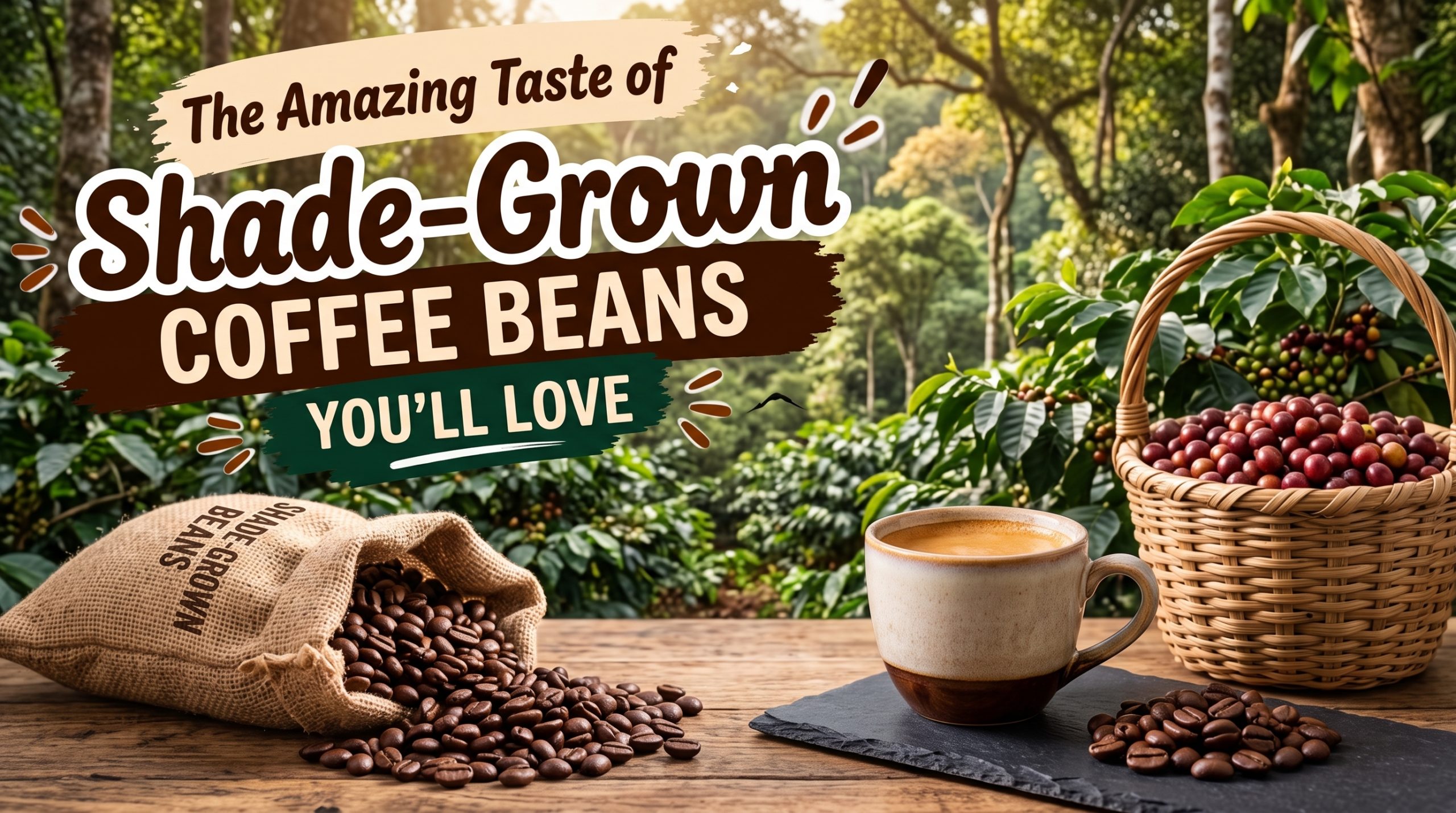
You’ve probably heard coffee described in countless ways: bold, fruity, smoky, or even chocolatey. But have you tried shade-grown coffee beans yet? If the answer is no, you’re in for a real treat. These beans are nurtured under the protective canopy of trees, creating a distinct flavor profile that many coffee aficionados love. They’re also a boon for the environment and for the farmers who carefully cultivate them. In this post, we’ll walk through what makes shade-grown coffee beans so special, how you can brew them to perfection, and why they might just become your newest obsession.
Discover shade-grown coffee beans
Shade-grown coffee beans are grown under a natural forest-like cover rather than on open lands cleared of vegetation. While traditional sun-grown coffee aims for maximum yield, shade-grown coffee focuses on quality, biodiversity, and sustainability. Imagine a coffee farm where tall trees filter sunlight, birds nest overhead, and the soil remains fertile with rich organic matter. This natural environment helps the coffee cherries ripen slowly, often leading to more nuanced flavors in each cup you sip.
You might wonder, “What’s so different about a coffee plant in the shade?” Essentially, it’s all about the more gradual ripening process. Because the coffee cherries aren’t exposed to punishing direct sunlight, they don’t race through the growth cycle. Instead, they take their sweet time maturing, developing complex notes and lower acidity. Many coffee lovers notice deeper, more decadent flavors with shade-grown beans compared to their sun-grown counterparts.
Plus, shade helps preserve or even restore local ecosystems. Trees at different heights act as a protective roof, offering habitats for birds and insects that eat potential pests. This mini-ecosystem reduces the need for chemical pesticides or fertilizers. So when you sip this kind of coffee, you’re not just enjoying a remarkable taste. You’re also supporting farms that help keep nature’s balance in check.
Why shade matters
If you’re new to the idea of shade-grown coffee beans, you might wonder if it’s just a marketing gimmick. But shading is more than a buzzword. Think of it like choosing a home in a peaceful, tree-lined neighborhood instead of a crowded and noisy city block. The environment influences your overall well-being. The same holds for coffee plants.
Fostering biodiversity
In a shaded farm, multiple types of trees—often fruit or timber trees—form an overhead canopy. Beneath them, you’ll find shrubs and other beneficial plants that help keep pests in check, maintain soil fertility, and promote water retention. In contrast, fully sun-exposed coffee farms might rely more heavily on chemical interventions to prevent pests and diseases. The result? Shade-grown coffee farms often become thriving ecosystems, encouraging everything from migratory birds to beneficial insects to call these plantations home.
Preserving soil health
Soil is the lifeline of any agricultural endeavor, and for coffee, healthy soil equals tasty beans. Under tree cover, the soil is protected from extreme temperatures and erosion. Leaf litter from the canopy enriches the ground, naturally providing nutrients and improving soil structure. This organic approach can reduce the need for synthetic fertilizers, ensuring that the quality of the beans isn’t compromised by chemical residue. And if you’re concerned about the planet, it’s a more sustainable approach overall.
Savor their unique flavors
One of the main draws to shade-grown coffee beans is the depth of flavor they deliver. You might discover subtle fruity undertones, or even nutty and chocolatey layers. The signature taste can vary depending on factors like regional climate, elevation, and even the specific variety of coffee tree. But across the board, many people find these beans impressively smooth, often with a gentle acidity that feels kinder to the stomach.
Flavor and aroma profiles
Think of flavors in coffee as a spectrum. On one end, you have bright, citrusy notes often found in Ethiopian coffees, while on the other end lie rich, chocolatey undertones more common in Central or South American beans. Shade-grown coffee can exhibit more pronounced and layered intensities, partly because slower ripening might allow for a broader development of sugars and other compounds.
Some typical tasting notes:
Pairing ideas
Because these beans often have layered flavors, you can pair your brew with complementary foods to create a delicious synergy. For instance:
If you’re just enjoying your coffee black in the morning, pay attention to how the flavors evolve as it cools. You might find that you start getting different hints—maybe more sweetness, perhaps a new crispness. That evolving profile is often a characteristic of beans that haven’t been forced to ripen in full sun.
Support sustainable communities
Ever consider how your coffee habit impacts local communities? Buying shade-grown coffee beans can be a win-win for both you and the farmers. Many shade farms follow traditional cultivation methods that preserve local heritage and biodiversity.
Economic advantages
Shade-grown farms might produce fewer beans overall, but they can fetch higher prices if marketed in specialty coffee circles. This price premium can support fair wages and improved living conditions for workers. If you notice labels like “Fair Trade” or “Rainforest Alliance Certified,” it often indicates they adhere to fair worker compensation and environmental standards (though certification nuances vary from program to program). By opting for these beans, you’re consciously voting with your wallet for more equitable and sustainable practices.
Cultural preservation
In certain regions, coffee cultivation is passed down through generations. Traditional knowledge might include how to plant coffee under a diverse forest canopy, or how to cycle through trees that provide natural pest control. When coffee farms focus on shade-grown methods, they often keep these time-honored techniques alive. That helps preserve not just the ecosystem, but also local customs and identity.
Brew like a pro
Once you’ve decided to give shade-grown coffee beans a shot, the real fun begins: brewing them to perfection. Let’s be honest, you don’t need fancy gear to get a great cup. The key is understanding a few fundamentals—grind size, water temperature, and extraction time.
Grind size and method
Different brewing methods call for different grind sizes. Here’s a brief rundown:
If you’re not sure, most specialty coffee shops will grind the beans for you based on your brewing method. Freshly ground coffee always tastes better, so consider investing in a burr grinder for consistent particle sizes.
Water temperature
Aim for water that’s just off the boil—around 195°F to 205°F (that’s about 90°C to 96°C). If your water is too cold, you might under-extract the coffee, leading to a flat taste. Too hot, and you risk burning your beans or extracting unpleasant bitter notes. A simple way is to bring your water to a boil, then let it sit for about 30 seconds before pouring it over your grounds.
Extraction time
Depending on your brewing method, your extraction time might vary from a minute (espresso) to four minutes (French press). If your coffee tastes sour, try extending the brew time or adjusting the grind size to bring out more of the coffee’s natural sugars. If it’s overly bitter, you might be extracting too much and need to shorten the time or choose a slightly coarser grind.
Choose and store your beans
Now, let’s talk about picking the right shade-grown coffee beans for your taste buds, and then storing them so they remain fresh for as long as possible.
Identifying labels
At this point, you’ll likely come across various labels and certifications. While “shade-grown” might be noted directly on the package, you can also keep an eye out for “bird-friendly” certifications or mentions of agroforestry practices. These often imply similar principles. However, not all farms seek certification, so you could find an exceptionally small-batch roaster who doesn’t carry formal labels, yet still practices eco-friendly, shaded agriculture.
When you’re sampling new beans, don’t hesitate to ask roasters or baristas about the farm’s background. They might love sharing more about the unique conditions in which the beans were grown, along with flavor cues to help you decide between a medium or dark roast.
Storage best practices
After buying your beans, proper storage is crucial. Avoid clear containers, as light can degrade the quality. Opt for an opaque, airtight container, and keep it in a cool, dry place. Try not to store your coffee in the freezer, as repeated temperature changes can introduce moisture. In general:
Common myths to bust
Shade-grown coffee beans come with a fair share of misconceptions. Let’s address a few that might have popped into your head.
Myth 1: “They’re too expensive”
Some shade-grown coffees cost slightly more than mass-market varieties. However, many mid-range specialty coffees can still fit your budget, primarily if you treat your coffee habit as a quality-over-quantity approach. You might pay a couple of extra dollars per pound, but you’ll likely enjoy a superior taste and a more sustainable product.
Myth 2: “All organic coffee is shade-grown”
Organic and shade-grown aren’t always synonymous. Coffee can be certified organic yet still grown in partial or full sun, as long as it follows organic farming standards. Conversely, a farmer might use responsible, eco-friendly techniques under a canopy, but not be certified organic because of the costs or paperwork involved. If you’re especially interested in the ecological aspect, look specifically for mentions of “shade-grown,” “bird-friendly,” or “agroforestry.”
Myth 3: “They taste the same as ordinary coffee”
If you do a side-by-side comparison, you’ll often notice a difference in taste between shade-grown beans and standard ones. From a rounder body to subtle sweetness, shade-grown can offer distinct qualities. Of course, flavor preferences vary person to person, so you may want to sample a flight of different roasts to discover your sweet spot.
Questions you might ask
Many coffee enthusiasts are curious about new beans. Here are a few quick answers that could help you feel more confident exploring shade-grown coffee beans.
Does shade-grown coffee have lower acidity?
Often, yes. Because berries mature more slowly in the shade, the resulting beans can show a smoother acidity compared to some sun-grown varieties. That doesn’t mean the coffee has zero tanginess, but you might experience it as softer, fruit-like notes rather than sharp, sour tastes.
Is it hard to find?
While big-box grocery stores might not carry a large selection of shade-grown coffee beans, specialty shops and online roasters frequently do. A quick search can lead you to countless smaller, passion-driven brands that pride themselves on ethical sourcing and quality. Local coffee festivals or farmers’ markets can also be a goldmine for seeking out unique shade-grown options.
Will I need fancy equipment?
Not necessarily. You can brew shade-grown coffee beans using the same equipment you already have, whether that’s a simple drip machine or a French press. If you’re aiming for more precision, a burr grinder and a fundamental gooseneck kettle can help. But don’t sweat it if you’re starting with standard gear—good beans and decent technique still produce a satisfying cup.
How do I know if it’s truly shade-grown?
Trustworthy roasters often provide farm details or certification labels. In some cases, you can even visit the roastery’s website to see pictures or read interviews with the farmers. If transparency is lacking, it might be best to choose a brand that offers clear information about how they grow and source their beans.
Are these beans better for farmers?
In many instances, yes. Because shade-grown coffee often commands a higher market price and is associated with sustainable practices, farms can generate steadier incomes. Also, the biodiversity on a shaded farm can provide additional resources—think fruits, timber, or other side crops—helping farmers diversify and reduce financial risk.
Enjoy beyond the cup.
You might love your morning pour-over, but don’t forget that coffee can also star in cooking or baking. Shade-grown coffee beans, with their unique flavor nuances, can add a delightful twist to both sweet and savory recipes.
Adding depth to desserts
From brownies to tiramisu, adding freshly brewed or finely ground coffee to your dessert can deepen chocolate flavors and add a subtle bitterness. For instance, try stirring a shot of shade-grown espresso into chocolate frosting or incorporating brewed coffee into your cake batter. That secondary layer of flavor can elevate a dessert from ordinary to extraordinary.
Enhancing savory dishes
Coffee can also be part of marinades and spice rubs for meats like beef or pork. The roasted flavor can complement smoky or barbecue-style dishes. If you’re feeling adventurous, try a coffee-infused chili. The robust notes from the coffee can balance the sweetness from tomatoes and the spiciness from peppers, creating a dish that delights your taste buds.
Summing it all up
Shade-grown coffee beans are more than just a trendy label. For you, they can offer a richer, more complex flavor experience that’s often kinder on your stomach. For the environment, shade cultivation supports biodiversity, preserves soil health, and reduces reliance on harsh chemicals. And for farmers, it can mean a fairer wage and a healthier ecosystem in which to live and work.
By choosing these beans, you’re making a small yet significant decision in favor of sustainability and quality. Whether you’re an everyday coffee drinker or a budding barista, incorporating shade-grown coffees into your collection can genuinely shake up your brew routine—in the best way possible. So go ahead, pick up a bag, grind those beans fresh, and let that first sip surprise you with its layered complexity. You just might wonder how you ever settled for anything less.