
If you’re on a quest for the best coffee bean for espresso, you’re in the right place. Espresso is more than just a strong cup of coffee—it’s a concentrated brew that highlights the bean’s natural flavors, aromas, and even subtle nuances you might miss in other brewing methods. When you pull a proper espresso shot, you capture the heart of the coffee’s character in a tiny, potent sip. That’s why it’s so important to choose your beans wisely. After all, the taste of your espresso depends on everything from the variety of bean and roast level to proper storage and technique.
The great news: you don’t have to be a seasoned barista to pick the right beans and brew a superb shot. In this guide, we’ll walk through what makes espresso unique, take a close look at the main coffee bean varieties, and explore roasting styles that suit an espresso machine best. Whether you’re a home brewer or a café owner, you’ll find tips, tricks, and a few handy insights to help you pull the best shot possible.
Know your bean varieties
Every espresso shot starts with a coffee bean, and your bean choice can dramatically affect flavor. Across the world, you’ll encounter various coffee species, but four varieties get the most attention: Arabica, Robusta, Liberica, and Excelsa (often considered a sub-variety of Liberica by some). Each has unique traits that can change the way your espresso tastes.
Arabica for nuanced flavor
Arabica beans are usually the go-to for specialty coffee enthusiasts. They’re known for their subtle sweetness, bright acidity, and a broader range of flavors—from fruity notes to chocolate and caramel undertones. Grown at higher elevations, Arabica crops tend to mature more slowly, which helps them develop complex flavor profiles. When you use Arabica in an espresso machine, you’ll typically get a shot that highlights a pleasant acidity and smoother finish. That can be fantastic if you like balanced, layered flavors.
Arabica does cost more than other varieties. The plants are more fragile and prone to pests, and they often require specific climates to thrive. Still, if you want an espresso that’s clean and elegant, it’s worth exploring Arabica from different regions to find the perfect match for your taste buds.
Robusta for bold strength
Robusta beans have a stronger, often earthier flavor and contain almost double the caffeine of Arabica. They’re typically grown at lower elevations, are more resistant to pests, and produce higher yields. If you’ve tried a coffee that was intensely bold or slightly bitter, there’s a good chance it contained Robusta.
When used in espresso, Robusta can add a thick layer of crema—an appealing, foamy top that many espresso aficionados love. That extra caffeine and heavy body can create a punchy, robust flavor. If you prefer something rich and intense, or if you enjoy the look and texture of dense crema, a blend involving Robusta might be your best bet. Just be aware that it can be more bitter and less nuanced than Arabica, so balance is key if you decide to use it alone.
Liberica for a distinct character
Liberica beans are less common on the global market, but they have a dedicated fan base in parts of Southeast Asia and Africa. Their flavor can range from smoky to woody, often accompanied by a full-bodied texture. Some describe Liberica as having floral or fruity tones, too, but these beans can be harder to find.
Because of Liberica’s rarity, you might only run across it in specialty shops or via niche roasters. If you do find Liberica for espresso, it can deliver a unique shot with a flavor that’s different from the typical Arabica or Robusta experience. This variety might be an acquired taste, especially if you’re used to more traditional coffee flavors, but it’s worth trying if you’re eager to broaden your espresso horizons.
Excelsa as a wild card
Excelsa is often classified as a variant of Liberica, though distinct enough to earn its reputation. You’ll sometimes see it blended with other beans to add complexity and a tart, fruity brightness. Excelsa can add extra layers of flavor to an espresso blend, especially if you’re looking for something that stands out from the crowd. Because it’s not as widespread, you might have to do some digging to find a roaster offering Excelsa. But if you stumble on a bag, it can be a fun adventure for your palate.
Explore roast levels
Alongside variety, roast level heavily influences the taste of your espresso. You’ll commonly see beans labeled as light, medium, or dark. Though you can brew espresso with any roast, each level brings its flavor characteristics and best use cases.
Light roast for bright notes
Light-roasted beans maintain more of their original, or “origin,” flavor. That usually means pronounced acidity, fruity or floral hints, and a lighter body. If you like a crisp, bright shot with a zingy finish, you might enjoy trying a lightly roasted Arabica espresso. You’ll often pick up on sweet, citrusy notes or even herbal and tea-like aromas.
However, light roast for espresso can be tricky. The flavor might be sour or too sharp if the beans aren’t ground and extracted carefully. Because there’s less caramelization, you won’t get that robust sweetness or deep chocolate tone you might associate with a traditional espresso. Light roasts can be fantastic if you love complex flavors and you’re willing to dial in your grinder settings to make sure the shot doesn’t taste underextracted.
Medium roast for balance
Many people consider a medium roast the sweet spot for espresso. You still get clarity of origin flavors, but enough caramelization occurs to round out acidity and create a smooth sweetness. Medium roasts often feature chocolate, caramel, or nutty tastes, especially if you pick beans grown in Central or South America. There’s usually a full-bodied mouthfeel without being quite as heavy as a dark roast.
Medium roasts are also more forgiving if you’re newer to pulling espresso shots. The balance of acidity, sweetness, and body offers a nice middle ground and a classic “coffee” flavor that suits a wide range of palates. Plus, if you enjoy preparing milk-based drinks like lattes or cappuccinos, medium-roasted beans can cut through the milk nicely without tasting burnt or overly bitter.
Dark roast for richness
Dark-roasted beans develop a bold, sometimes smoky flavor profile, with lower acidity and a heavier body. Those deep chocolate, toasted caramel, and slightly bitter notes can taste like old-school espresso from a cozy Italian café. Dark roasts often produce a robust, gutsy shot that appeals to coffee drinkers who crave strong flavor.
On the downside, too dark a roast can mask individual origin characteristics. You might also notice a hint of char or ash if over-roasted. But if you love that intense, rich style—possibly blended with steamed milk—dark-roasted beans might be the perfect match.
Compare single-origin vs. blends
Once you’ve thought about roast and variety, another factor is whether you want a single-origin bean or a blend. Each option comes with its unique perks.
Single-origin clarity
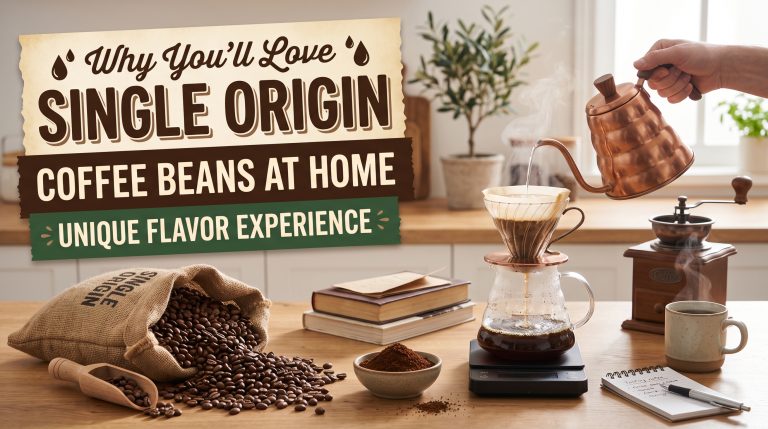
Single-origin means your beans come from one specific region, farm, or even micro-lot. This can give you a deeper appreciation of terroir (the environmental factors contributing to a crop’s character). If you’re precisely the kind of coffee lover who enjoys noticing the difference between, say, Colombian and Ethiopian beans, single-origin espresso can offer an exciting experience. You’ll typically taste a clear flavor profile—like a fruit-heavy Ethiopian or a chocolate-forward Brazilian. That’s great for espresso drinkers who want to embrace a particular regional taste.
Yet single-origin can be more finicky. Beans from certain regions might need precise brewing parameters—exact grind size, temperature, and shot times—to unlock their best flavors. Also, supply can be limited, which might affect price and availability throughout the year.
Blends for consistency
Blends are precisely what they sound like: a mix of beans from different origins, sometimes even different varieties, to achieve a consistent flavor and body. Many roasters carefully craft espresso blends so you get a balanced shot every time. One bean might contribute sweetness, another might add body, and a third could bring that lively acidity.
If you prefer a reliable flavor profile or want your lattes to taste consistent day in and day out, a blend better suits your needs. Blends also allow roasters to include a percentage of Robusta for extra crema and boldness, or combine different Arabicas for a harmonious taste. In many cafés, the “house espresso” is a blend tailored for a steady, pleasing flavor that goes well with milk-based drinks.
Store beans for the best flavor
No matter how perfect your bean variety, roast, or blend, you won’t get a great espresso if the beans aren’t fresh. Proper storage helps ensure you’re brewing with coffee that still has its natural oils and aroma compounds intact.
- Use airtight containers. Mason jars or canisters with a one-way valve are ideal. They keep oxygen out and let CO2 escape, preserving flavor.
- Stash beans away from light. Sunlight and even ambient light break down oils and speed up staleness.
- Mind the temps. Cool, dry environments (like a cupboard) guard against heat and moisture damage.
- Grind just before brewing. Pre-ground coffee oxidizes quickly, losing precious taste and aroma.
If you’re buying freshly roasted beans, check the roast date. Coffee typically tastes best around a week or so after roasting, though you might get acceptable results within the first month if stored properly. Once beans pass the four-week mark, expect some drop-off in flavor, especially in an espresso shot where every nuance matters.
Check key espresso tips
Pulling an espresso shot is a craft, and small details can make the difference between a mediocre cup and a mesmerizing sip. While roasting and bean choice matter, so does technique. Here are a few core pointers to help you refine your process.
Dial in your grind
Espresso demands a finely ground bean—think powdery, but not so fine that it clogs your machine. You may hear talk of “dialing in,” which just means adjusting the grind size until your espresso shot flows at the right speed (somewhere around 25 to 30 seconds for a standard double shot). If your shot whizzes through in only 15 seconds, your grind’s too coarse. If it drips too slowly or chokes your machine, the grind’s too fine.
Measure your dose
A consistent dose ensures consistent extraction. Depending on your basket size, you’ll typically use 16 to 20 grams of coffee for a double espresso. Weighing your coffee prevents guesswork, making it easier to replicate great results day after day.
Tamp evenly
Tamping compresses the coffee grounds so water runs through at an even pace. A firm, level tamp helps prevent channeling (water finding cracks in the grounds), which can yield under or over-extracted flavors. Try applying around 30 pounds of pressure, or just enough to pack the grounds without bending your wrist. The primary key is consistency.
Control temperature
Water temperature is often around 195°F to 205°F (90°C to 96°C). Different beans might taste better at slightly different temps, so experiment marginally. If your machine has temperature control, tweak it a couple of degrees at a time and see whether your shot improves.
Observe and adjust
Espresso is part art, part science. Keep an eye on the shot color and flow. The liquid should transition from dark to golden brown, forming a nice crema on top. If it’s pale throughout, you might be under-extracting. If it’s incredibly dark and tastes burnt, it might be due to extraction being too long or your grind being too fine.
Avoid common pitfalls
Even if you select the best coffee bean for espresso, simple mistakes can lead to dud shots. Knowing these traps can help you steer clear of disappointment when you’re firing up the espresso machine.
Wrap up your espresso journey
Choosing the best coffee bean for espresso can be an exciting exploration. You’re not just after a caffeine fix, but a collective blend of flavor, aroma, and texture that delights your senses from the first sip. Whether you opt for single-origin Arabica to savor a region’s distinct character, or you prefer a balanced blend that includes Robusta for extra crema, your options are vast. Don’t be afraid to sample different roasting levels and origins—you’ll find every bean has a story to tell.
Remember, freshness is your ally. Keep your beans cozy in an airtight container, grind them close to brewing, and experiment with dosage, tamp, and temperature to get that shot just right. And if your first few tries aren’t perfect, don’t sweat it. Espresso is a craft that even pros keep honing over time.
By exploring new bean varieties, roast levels, and pulling techniques, you’ll discover how each tweak shapes the flavor in your cup. Before long, you’ll have a signature espresso routine that suits your style to a tee. So go ahead and seize the moment—pull a shot, taste its warmth and complexity, and enjoy your journey toward the perfect espresso.