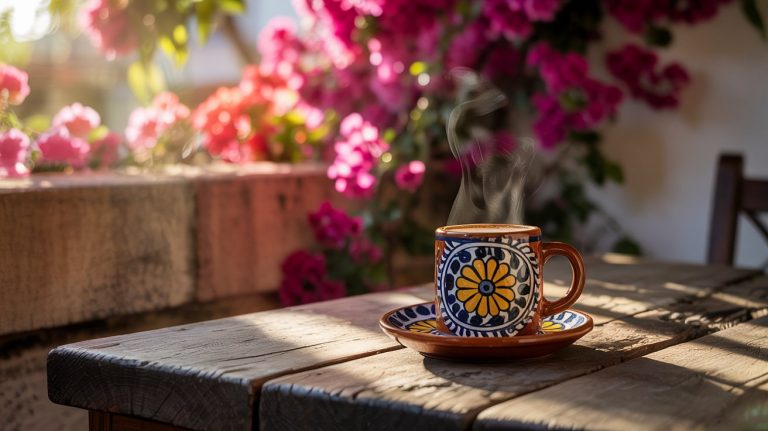
You know that feeling when the aroma of freshly brewed coffee blankets your entire kitchen? If you’re nodding along, this is your cue to explore the best arabica beans out there. Arabica coffee is known for its smooth taste and nuanced flavors, making it a top choice among home brewers, baristas, and coffee shop regulars alike. In this list-style guide, we’ll walk through each critical factor that helps you find your perfect arabica bean match. By the end, you’ll feel confident in picking high-quality beans that cater to your palate and brewing habits.
Know why Arabica stands out
Arabica beans often appear on coffee shop menus for good reason. They’re known for their balanced taste, lower acidity (compared to robusta), and variety of flavor notes (like fruit, chocolate, or floral undertones). Let’s break down what makes them so special:
The next time you shop for coffee, keep an eye on the label. If it highlights an “Arabica” origin from a specific region, there’s a strong chance you’ll be enjoying a smoother, more refined flavor profile.
Explore popular bean-growing regions
Just like wine grapes, coffee beans reflect their terroir (the environment where they’re grown). Thanks to the diverse landscapes and climates of key coffee-producing countries, you’ll find beans with distinct personalities. Here are five standout regions that commonly produce some of the best arabica beans:
- Ethiopia
- Flavor notes: Floral, berry-like sweetness
- Why you’ll love it: Ethiopian arabica beans are often processed naturally, which helps maintain a fruity tang. You’ll find them especially appealing if you like a light, tea-like body in your cup.
- Colombia
- Flavor notes: Caramel sweetness, mild acidity
- Why you’ll love it: Colombian beans are known for their pleasing balance. They tend to produce a medium-bodied brew with a slight nutty finish, making them an easy go-to for many coffee drinkers.
- Brazil
- Flavor notes: Chocolate, nutty
- Why you’ll love it: Brazil is the world’s leading coffee producer, and for good reason. Its arabica beans typically boast chocolatey notes, offering that comforting aroma you might associate with a cozy café.
- Kenya
- Flavor notes: Bright acidity, citrus, berry
- Why you’ll love it: Kenyan beans pop with a tangy acidity that many coffee enthusiasts find refreshing. If you prefer a brighter cup, Kenya is your sweet spot.
- Sumatra (Indonesia)
- Flavor notes: Earthy, syrupy body
- Why you’ll love it: Sumatra grows arabica beans that are often processed using the “wet-hulled” method. This creates a deep, almost earthy flavor that’s velvety on the tongue.
When reading labels, you’ll likely come across single-origin beans (from one region or farm) or blends (beans from multiple regions). Single-origin beans typically let you taste a region’s unique characteristics, while blends bring together complementary flavors for a balanced cup.
Compare different roast levels
Once beans are harvested and processed, the roast level plays a huge role in their flavor. There’s no absolute “best” roast for arabica, as it all depends on your personal preference. Below is a simple overview:
| Roast Level | Appearance | Flavor Profile |
| Light Roast | Light brown, dry surface | Brighter acidity, strong origin flavor, floral or fruity notes |
| Medium Roast | Medium brown, some oil | Balanced acidity and sweetness, broader flavor depth |
| Dark Roast | Rich brown-black, oily | Bold, smoky-sweet notes, lower acidity, sometimes more bitterness |
For many, experimenting with roast levels is part of the coffee journey. Start with a medium roast if you’re unsure, then gradually explore lighter or darker options until you find your happy place.
Check freshness and packaging
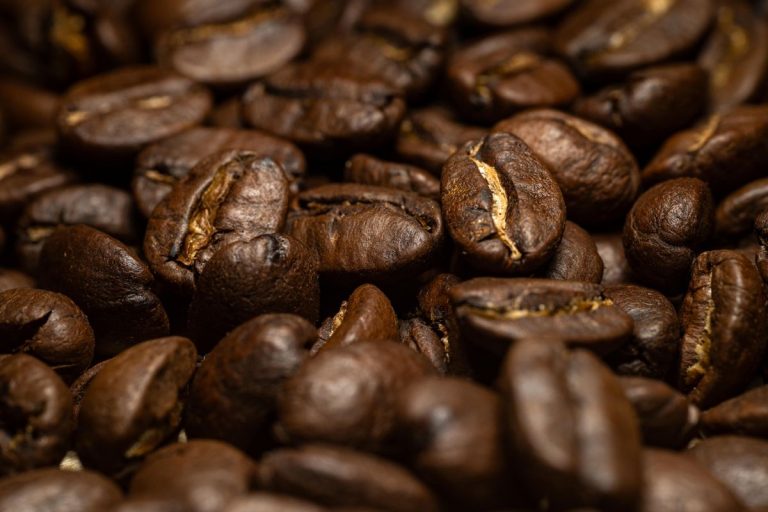
Arabica beans begin to lose freshness as soon as they’re roasted, which affects the taste in your cup. While vacuum-sealed bags and valves help, your best bet is to buy freshly roasted beans and use them within a few weeks.
A quick pro tip: listen for that “psshh” of escaping gases when you first open a freshly roasted bag. That’s carbon dioxide escaping, indicating the beans are pretty recent off the roaster.
Find your match in this curated list
Now that you understand the basics, let’s leap into some of the best arabica beans you may want to try. These picks showcase different regions, flavor profiles, and roast levels. If you can’t find the exact brand of beans in your local store, look for something similar in flavor notes and origin. Here’s a curated list to get you started:
- Ethiopian Yirgacheffe (Light Roast)
- Taste: Floral and citrus with a bright finish
- Ideal for: Pour-over and AeroPress, where delicate notes can shine
- Colombian Supremo (Medium Roast)
- Taste: Balanced sweetness, nutty undertones
- Ideal for: Drip coffee and French press, thanks to its crowd-pleasing profile
- Brazilian Santos (Medium Roast)
- Taste: Chocolate hints, low acidity
- Ideal for: Home espresso machines if you love a smooth, mellow shot
- Kenyan AA (Light-Medium Roast)
- Taste: Crisp acidity, darker fruit undertones
- Ideal for: Pour-over if you appreciate a bright flavor punch
- Sumatra Mandheling (Dark Roast)
- Taste: Earthy, full-bodied, with light spice
- Ideal for: Espresso-based drinks that benefit from a robust, syrupy feel
- Guatemalan Antigua (Medium Roast)
- Taste: Subtle cocoa sweetness, mild fruit notes
- Ideal for: Those who want an all-round balanced cup without extreme acidity
Feel free to use these as a launching pad. With a little trial and error, discovering your personal favorite becomes an enjoyable (and delicious) adventure.
Brew with the right method
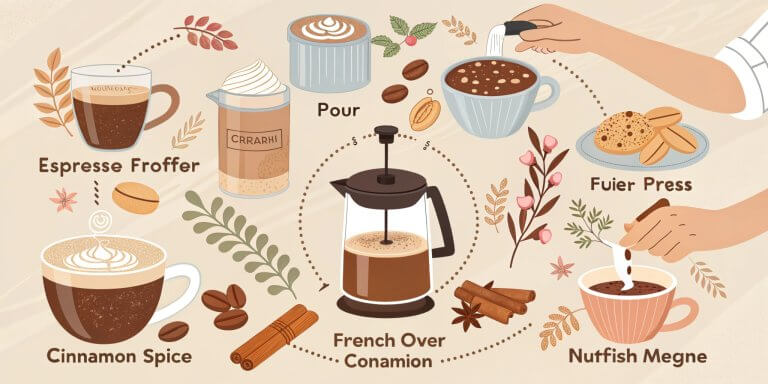
How you brew your arabica beans can influence taste just as much as the beans themselves. Each method highlights different aspects of a coffee’s flavor, so pairing the right brew method with your beans can elevate your entire cup.
Experiment with grind sizes, coffee-to-water ratios, and brew time to strike that sweet spot. The beauty of arabica beans is their ability to adapt to many methods, so don’t hesitate to try something new.
Maintain a money-saving strategy
Quality arabica beans can be pricey, and it’s easy to blow your coffee budget if you’re not careful. Here are some wallet-friendly tips:
A little planning goes a long way in making daily coffee enjoyment both delicious and budget-friendly.
Test and refine your tasting notes
You don’t need to be an expert to appreciate (and describe) coffee’s taste. Simply note what stands out to you. Is it sweet, nutty, or floral? Do you sense a smooth finish or a punchy aftertaste?
Developing your coffee palate is much like training your taste buds for fine wine or chocolate. The more active your senses become, the more you’ll appreciate subtle differences in every new bag of arabica beans.
Share your new coffee expertise
Your quest for the best arabica beans has likely given you plenty to talk about. Whether you’re a home brewer, aspiring barista, café owner, or just a fan of great coffee, sharing tips (and a fresh pot!) can spark lively conversation. Here’s how you might spread the coffee love:
Remember, coffee connects people. It’s more than just a beverage, it’s a culture of warmth and shared moments.
Wrap up and savor every sip
By now, you’ve seen how diverse the world of arabica can be, from the bright florals of Ethiopia to the chocolatey comfort of Brazil. Deciding on your best arabica beans involves exploring different origins, roasts, and brew methods until you land on that magical cup. Once you’ve found “the one,” it becomes your daily ritual, a small moment of luxury you can enjoy at home or in your favorite café.
If you’re still on the hunt, start with a medium roast from a region you’ve never tried. Taste it black, scribble down your impressions, then tweak your grind or brew method until you unlock the flavors you love. And if you stumble upon something truly spectacular, don’t forget to share the joy (and maybe an entire pot) with fellow coffee enthusiasts. Good luck, and cheers to your next cup!