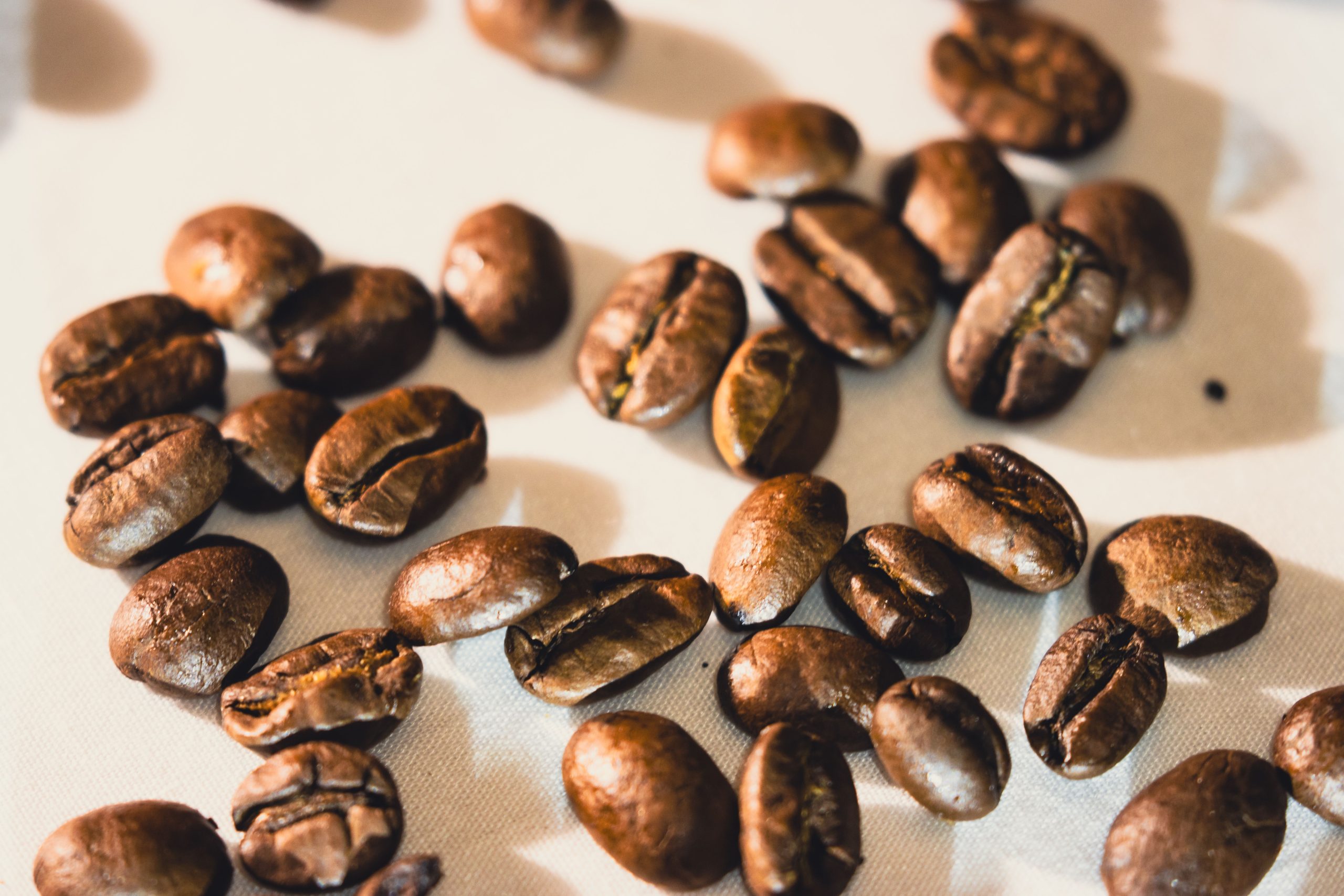
Welcome! If you’ve ever wondered why Arabica coffee often gets top billing on café menus, you’re in the right place. Today, we’ll dig into arabica bean benefits and show you how these globally treasured coffee beans can elevate your morning cup. By the end, you’ll walk away with practical tips on brewing, storing, and choosing Arabica beans, plus a better understanding of why they’re so popular. So grab your mug, because we’re about to explore one of the coffee world’s favorite varieties.
Arabica coffee origins
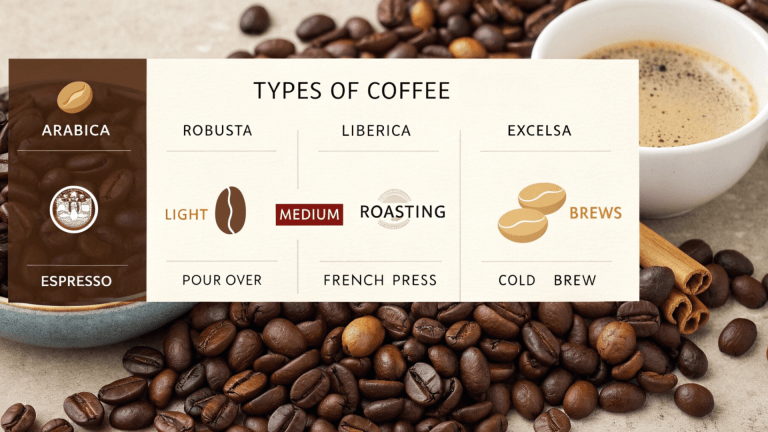
Arabica coffee traces its roots to the high-altitude regions of Ethiopia, and it has maintained a respected reputation for centuries. Farmers in Central and South America later embraced Arabica, recognizing it for its balanced flavor profile and adaptable nature. Now, you can find these beans in countless coffee-producing nations around the globe. But what makes Arabica stand out?
Many coffee lovers appreciate that Arabica thrives in cooler temperatures, often between 60 and 70°F, at altitudes of 2,000 to 6,000 feet above sea level. As a slower-growing plant, it has more time to develop complex flavors. This helps produce a bean that’s gentle in acidity and intricate in taste, offering a refined experience when you brew a fresh cup.
Why see Arabica everywhere?
If you visit grocery stores, gourmet cafés, or local coffee shops, you’ll likely find Arabica beans in the spotlight. That’s because many roasters prefer Arabica’s smooth texture and nuanced flavor over the bolder, sometimes harsher notes of other varieties. While tastes differ, the overall consensus is that Arabica delivers a gentler, more aromatic brew, which appeals to casual coffee drinkers and coffee connoisseurs alike.
Explore the key health benefits
Now let’s talk about what you might be waiting for: arabica bean benefits. Many coffee enthusiasts swear by this variety for its pleasant taste, but there’s more to it than flavor alone. Although you should always keep balance in mind—too much caffeine can lead to jitters—modern coffee research suggests a handful of positive takeaways for moderate Arabica drinkers.
Abundance of antioxidants
Did you know your daily cup could offer a decent boost of antioxidants? Antioxidants battle free radicals in your body, potentially helping reduce oxidative stress over time. Arabica beans contain compounds like chlorogenic acid, which scientists link to a range of health perks, including lower inflammation. While coffee isn’t a cure-all, it’s nice to know that your regular brew may contribute to your overall antioxidant intake.
Improved mental focus
Most coffee fans are familiar with caffeine’s immediate benefits. That zippy alertness you feel after a few sips isn’t just in your head—it’s the caffeine working on your central nervous system. Arabica beans typically hold a bit less caffeine than some other varieties, but still enough to give you that recognizable mental boost. For many people, this can lead to better focus and increased productivity, whether you’re tackling a big project at work or simply trying to keep pace with your daily to-do list.
Gentle acidity on your stomach
If you catch yourself skipping coffee because you’re worried about the acidity, Arabica might serve as a more forgiving option. Compared to varieties like Robusta, Arabica’s acidity tends to be gentler. Often, this is due to the growing process and the inherent composition of the beans. It doesn’t mean you’ll never get slight stomach discomfort if you overdo it, but it might reduce the risk of digestive upset. That’s especially good news if you’re someone who loves coffee’s flavor but not the after-effects of a harsh blend.
Understand the flavor profile
You already know Arabica beans are popular, but what sets their taste apart? If you’re a flavor-focused coffee drinker, exploring Arabica can feel like stepping into a well-designed art gallery of aromas, mouthfeels, and aftertastes.
Mild sweetness with hints
Arabica coffee is often praised for its mild sweetness, which can be reminiscent of chocolate, caramel, nuts, or even subtle fruity undertones. Ever noticed a delicate berry aroma or a whiff of roasted hazelnut in your cup? That’s likely thanks to Arabica’s complex chemical structure. It’s grown at higher altitudes over a longer period, which allows the beans to absorb the soil’s nutrients and develop sweetly layered notes. This subtle complexity is one big reason cafés will highlight Arabica specifically on their labels—people are drawn to its approachable, nuanced taste.
Roasting and aroma
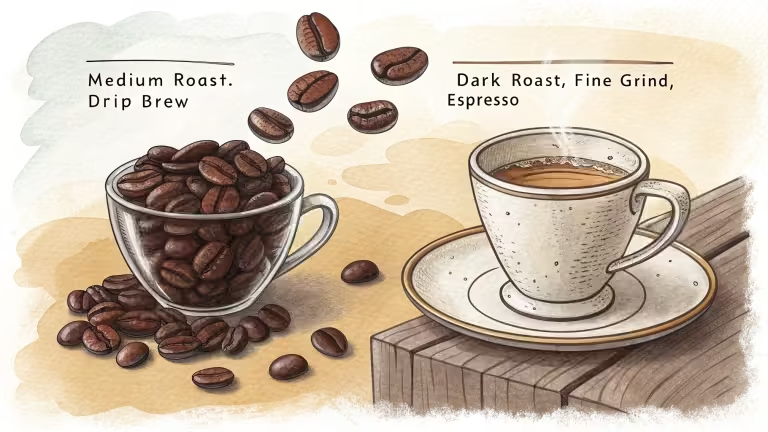
Roasting plays a massive role in bringing out the best of any coffee bean. Arabica’s naturally lower caffeine content and softer texture typically tolerate lighter to medium roasts very well. In a light roast, you’ll often detect bright, floral, or fruity notes. A medium roast can highlight a satisfying caramel sweetness. If you prefer your coffee strong and dark, Arabica can still handle a bolder roast, but you might lose some of those gentler flavor nuances in the process.
It’s really about finding the roast level that aligns with your personal tastes. No matter which roast you choose, Arabica’s aroma tends to be smooth, sweet, and inviting. If you love the smell of freshly ground coffee, you might notice that Arabica can deliver layers of pleasant scents, prompting thoughts of cocoa, toffee, or even sweet berries.
Consider sustainable sourcing
Many coffee lovers aren’t just interested in a tasty cup, they also care about where it comes from and how it’s grown. If that sounds like you, it might be good to keep an eye out for certifications like Fair Trade or Organic when selecting Arabica beans.
Fair trade and organic
While certifications aren’t the only measures of quality, they can offer reassurance that you’re making a responsible choice. After all, a good cup of coffee tastes even better when it’s both delicious and ethically sourced.
Brewing tips for freshness
If you’re investing in high-quality Arabica beans, you’ll want to get the most from every scoop. The way you brew and store your coffee has a big influence on flavors and overall quality. So how can you maintain peak freshness?
Storage best practices
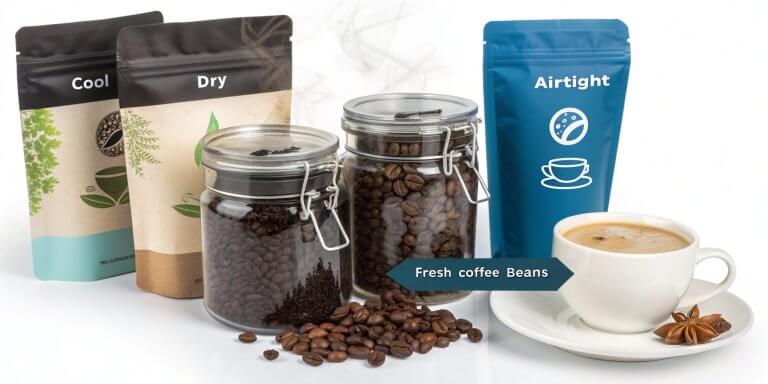
To keep those arabica bean benefits intact, proper storage is key. Exposing beans to air, moisture, or extreme temperatures can reduce flavor and aroma. Here are a few tried-and-true methods:
By following these guidelines, you’ll steadily preserve the beans’ natural oils and aromas. That translates into a fresher, more flavorful cup each morning.
Choosing the right grind
Grind size matters. Whether you like your coffee from a drip machine, French press, or espresso maker, you’ll want to match your grind consistency to your brewing method:
- Coarse grind: Best for French press or cold brew, as it slows extraction and prevents overly bitter flavors
- Medium grind: Works well in standard drip coffee makers, balancing extraction nicely
- Fine grind: Commonly used for espresso or stovetop Moka pots, allowing a quick and full extraction
If you can’t snag a burr grinder, consider purchasing your beans freshly ground based on your method. But remember: the finer you grind, the faster you’ll lose aroma. That’s why many coffee lovers invest in a good grinder for home use, so they can brew on-demand without sacrificing those lively flavors.
Experiment with brewing methods
Brewing coffee can be as simple or intricate as you want it to be. With Arabica beans, the best method ultimately depends on the taste profile you hope to achieve. Are you going for the bright, fruity notes or a balanced, sweet finish?
Drip coffee maker
It’s the classic machine perched on thousands of kitchen counters across the country. A drip coffee maker is user-friendly, reliable, and still yields a smooth, enjoyable cup—especially with Arabica. All you’ll do is measure, grind, scoop, and brew. If you’re short on time in the mornings, this might remain your best bet for grabbing that daily caffeine fix without too much fuss.
French press
French presses allow for fuller contact between grounds and water, which can pull out more flavor and body from Arabica beans. After steeping the grounds in hot water for around four minutes, you press the plunger slow and steady to filter out the coffee solids. This is a popular choice for those who crave a robust mouthfeel and want to preserve the beans’ natural oils.
Pour-over
If you enjoy turning your coffee routine into a mindful ritual, the pour-over method could be for you. It takes some patience, but many coffee enthusiasts say the payoff is worth it. By gradually pouring hot water over the grounds in a pulsing motion, you create a controlled extraction that highlights subtle flavors—perfect for showcasing Arabica’s gentle sweetness or fruity undertones.
Espresso machine
Dreaming of velvety lattes or crunchy-topped cappuccinos? Espresso machines apply pressure to extract coffee quickly, resulting in a concentrated shot. Arabica beans often shine in espresso-based drinks, though you’ll want to dial in your grind, water temperature, and extraction time carefully. When done right, you’ll get a balanced shot with a satisfying crema on top—like that café experience you love, right in your own kitchen.
Recognize differences from other beans
Comparisons often arise between Arabica and Robusta, the two most common commercial coffee varieties. Each can have its own set of perks, but what if you’re on the fence about which to choose?
| Feature | Arabica | Robusta |
| Flavor | Sweet, nuanced, softer acidity | Bold, earthy, sometimes harsher |
| Caffeine content | Generally lower | Usually higher |
| Growing altitude | Higher elevations | Lower elevations |
| Price point | Often more expensive | Usually cheaper |
| Common usage | Gourmet/specialty coffees | Instant coffees, blends, espresso blends |
If you’re new to specialty coffee, sampling both can help you decide. Maybe start your mornings with Arabica for a smoother flavor, and if you need an intense pick-me-up, try Robusta on occasion. Over time, you’ll likely find your comfort zone.
Embrace variety in origins
Arabica coffee goes by many names—largely due to the region or cooperative that grows it. Ethiopian Yirgacheffe, Colombian Supremo, and Guatemalan Antigua are just a handful of well-known varieties under the Arabica umbrella. Each one has its signature fragrance, taste notes, and even body.
Wondering how to pick the right origin? You might decide to go for something fruity and floral from East Africa, or choose South American beans for a warm, chocolatey undertone. You can also explore blends that combine different origins to create a balanced experience. Take your time, try new roasts or origin combos, and see what strikes your fancy.
Decode coffee labels
Browsing the coffee aisle can be overwhelming—bags with bright labels promising everything from “juicy acidity” to “deep caramel notes” can leave you confused. If you’re focusing on arabica bean benefits, keep an eye out for:
Sometimes, you’ll see tasting notes on the bag. Don’t worry if they sound lofty, such as “blueberry” or “brown sugar.” These are just reference points, not exact indicators that your coffee literally tastes like a bowl of berries. Instead, they hint at delicate nuances you might notice once you sip.
Get creative with coffee pairings
Pairing food with coffee isn’t just for fancy meals, especially if you’re hosting friends or simply want to elevate your morning routine. Arabica’s gentle flavors fit beautifully with a variety of foods—from sweet pastries to savory snacks.
Try pairing a medium-roast Arabica with a buttery croissant or a slice of banana bread so the sweetness complements the coffee’s warm notes. Light-roast Arabica with fruity acidity can be lovely alongside fresh fruit salads or citrus-flavored desserts. There’s no single right way to pair coffee with food, so experiment and enjoy each new combination you discover.
Manage your caffeine intake
While some of us could drink coffee all day long, too much caffeine can leave you restless and sleep-deprived. Arabica beans generally contain around 1–1.5% caffeine by weight, which is less than the 2–2.7% found in Robusta beans. That might be good news if you brew multiple cups but don’t want an intense jolt. Still, listen to your body—everyone’s tolerance level is different.
If you feel jittery after two cups, try switching to half-caff by mixing Arabica beans with decaf, or simply limit yourself to one cup in the morning. Consider cutting off caffeine by mid-afternoon to help ensure you can wind down at night. Remember, coffee is a pleasure, and moderation helps keep it that way.
Discover cold brew possibilities
Cold brew coffee has gained major popularity for its smooth, low-acid taste. And guess who tends to shine in this method? Arabica. By steeping coarse ground Arabica in cold water for 12–24 hours, you end up with a rich, concentrated coffee that’s notably mellow on your stomach. If you want a refreshing iced drink but avoid the bitterness that sometimes comes from hot-brewed coffee poured over ice, cold brew might be your new summertime staple.
Making cold brew at home is straightforward:
- Start with coarsely ground Arabica beans.
- Mix them with cold water in a large container.
- Cover and let the mixture sit in your fridge (or a cool spot) for about 12–24 hours.
- Strain the grounds using cheesecloth or a fine mesh filter.
- Dilute the concentrate with water, milk, or your favorite creamer. Then sip away!
Summarize your coffee experience
When you combine the timeless appeal of Arabica beans with an understanding of how to store and brew them, you’re setting yourself up for some stellar coffee moments. You’ll likely taste notes that range from fruit-forward brightness to rich chocolate undertones, all while enjoying arabica bean benefits such as moderate caffeine, a gentler acidity, and a comforting aroma. Whether you opt for a simple drip brew or dive into a pour-over ritual, Arabica is a variety that rewards curiosity and experimentation.
Try focusing on freshness by grinding just before you brew, or branch out into new origins to see how different growing regions can enhance your daily cup. And if sustainability matters to you, keep an eye out for Fair Trade or organic labels so you can sip with a clear conscience.
In the end, when you find your favorite Arabica roast, it might feel like the coffee is custom-made just for you. So go ahead, treat yourself to a fresh bag, and experiment with fun pairings or new brewing styles. Your taste buds—and your busy mornings—will thank you. If you discover a great technique or roast that you love, be sure to share it with other coffee enthusiasts. After all, a passion for coffee grows best when it’s shared.
Happy brewing!