If you love coffee, chances are you’ve come across the phrase “Arabica bean origin” more than once. You might even see it proudly displayed on café menus or highlighted on specialty packaging. But what does it really mean, and why should you care about where your Arabica beans come from?
At its core, understanding Arabica bean origin helps you appreciate why certain coffees have distinct aromas, sweetness, or even that hint of fruity sharpness you can’t quite name. In a world filled with different roast levels, brew methods, and trendy coffee gadgets, it’s easy to forget that the beans themselves are a huge part of the flavor equation. By knowing where Arabica beans call home, you gain a new layer of appreciation for every sip.
Where it all began
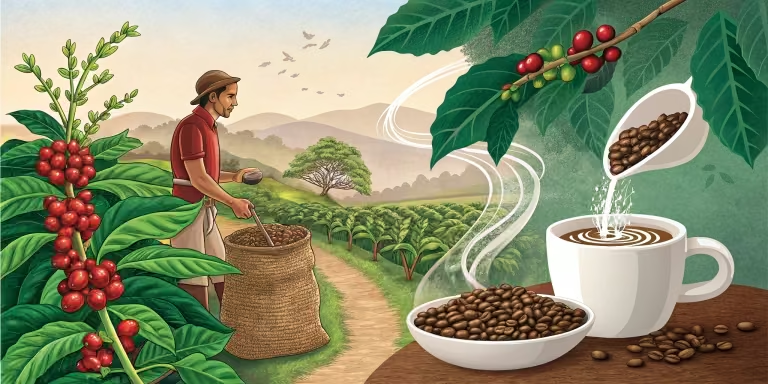
Arabica coffee, scientifically known as Coffea arabica, is believed to have its earliest roots in the forests of Ethiopia. Historians believe locals would chew coffee cherries as an energy boost, long before brewing them into the beverage we know today. Traders and travelers eventually brought seeds to Yemen, which became a pivotal location for coffee cultivation and trade. From there, Arabica plants spread far and wide, popping up in ideal climates all around the globe.
This deep-rooted history means that every bag of Arabica coffee you buy today is part of a long, storied journey through centuries of cultivation. When you sip your daily cup, you connect with a heritage that spans continents and cultures. The exciting part? Each region offers a flavor spin influenced by the soil, altitude, and weather those beans encountered along the way.
Identify key features
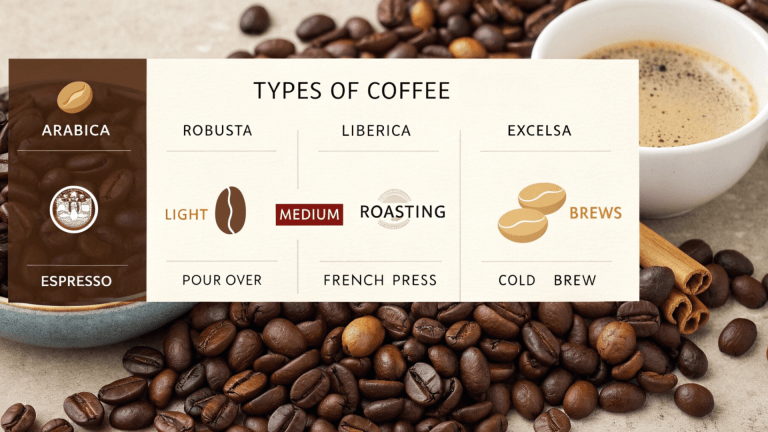
So, what sets Arabica beans apart from other coffee varieties? Put simply, they often yield a delicate, flavorful cup compared to the robust punch of Robusta beans (a different coffee species). Arabica generally boasts brighter acidity and more nuanced tasting notes—things like chocolatey undertones, fruity accents, or floral hints.
These notable aspects have turned Arabica into a favorite for specialty coffee shops and high-end roasters. If you’ve ever tasted a coffee with a fascinating complexity that lingers on your tongue, you might have encountered premium single-origin Arabica. It’s that dynamic flavor spectrum that keeps coffee lovers talking about origin, roasting profiles, and recommended brew methods.
The role of terroir
While “terroir” may sound like fancy jargon, it simply refers to how a location’s natural environment affects a crop. In wine, soil composition, climate, and altitude shape a grape’s expression in the glass. Coffee is no different. Arabica bean origin matters because beans cultivated in different regions reflect the characteristics of their surroundings. Everything from volcanic ash in the soil to rainfall patterns can impact the taste.
Altitude is a major player in coffee’s terroir. Arabica plants that thrive at higher elevations often produce denser beans that accentuate bright, intricate flavors. The cooler nights and decreased oxygen levels at high altitudes slow the bean’s maturation, letting flavors develop more fully. It’s a little like giving the beans extra time to soak up their environment, which translates into a sweeter, more balanced cup.
Taste diverse regional flavors
When you start exploring Arabica bean origins, you’ll find each major growing region has its own unique flavor profile. Here’s a quick overview of some popular ones:
- Africa (Ethiopia, Kenya): Known for lively acidity, floral aromas, and notes of berry or citrus. Ethiopian coffees may hint at blueberry or jasmine, making them a vibrant choice if you like bright flavors.
- Latin America (Colombia, Brazil, Guatemala, Costa Rica): Offers a broad range, but generally think balanced, sweet, and sometimes chocolatey. Colombian beans, for example, are often praised for their clean cup with subtle fruit tones.
- Asia-Pacific (Indonesia, Papua New Guinea): Tends to lean toward earthy, bold coffees with smoky or herbal hints. Sumatran beans, from Indonesia, often have a heavy body and a rich, spicy dimension.
Of course, there’s more variety within each country, depending on micro-regions and specific farms. For instance, a Guatemalan coffee from Antigua might differ quite a bit from one grown near Lake Atitlán. That’s part of the fun: tasting and discovering differences within the same country as you refine your personal favorites.
Understand production processes
Once the beans are grown and harvested, how they’re processed also matters. Each origin often has a go-to method, and these techniques can reinforce or highlight certain flavor traits:
At the end of the day, these methods are part of each region’s coffee culture. In Ethiopia, dry-processed coffees can be prized for their strong berry flavors, whereas in Central America, washed processes might be more common to achieve that balanced, crisp cup. If you’re looking to expand your horizons, try sampling the same origin with different processing methods, just to see how the flavor shifts.
Spot quality indicators
It’s not always easy to gauge quality when you’re staring at a row of coffee bags in a store, but there are a few hints to guide you:
Keep in mind that being labeled “Arabica” alone doesn’t guarantee excellence. Robusta vs. Arabica is a broad classification, and quality within Arabica can vary. If you’re able to sample or purchase in smaller amounts before buying a big bag, you can discover what really suits your palate.
Select beans with confidence
If you’re new to exploring Arabica bean origin, approaching the coffee aisle might feel overwhelming. One strategy is to pick a region known for the flavor profile you enjoy. Do you like floral or fruity coffees? Try Ethiopian or Kenyan. Is something smooth, sweet, and chocolaty more your speed? Colombian or Brazilian might be the way to go.
Beyond region, you can delve into roast levels. Lighter roasts often highlight the bean’s origin character—those fruity or floral notes really pop. Medium roasts can offer a balanced approach, so you taste the bean’s personality plus some sweet caramel undertones. Dark roasts tend to emphasize the roasting process, which might overshadow the origin’s distinct characteristics, but if you love a bold, smoky depth, go for it. There’s no “wrong” choice, just what you personally like.
Discover home brewing tips
Once you’ve chosen a coffee, the brewing method can also influence how strongly you experience that origin’s essence. Experiment with these approaches:
- Pour-over (like a V60 or Chemex): Often highlights bright notes, acidity, and subtle complexities. This is a great way to pick up on floral or fruity hints if you’re sampling light or medium-roast Arabica.
- French press: Allows for full immersion, resulting in a heavier mouthfeel. Ideal if you’re enjoying coffees with more body or wanting a slightly bolder brew.
- Espresso machine: Brings intensity and concentration. You’ll often sense chocolatey or nutty notes if the bean has them, and any acidity can come through in a thrilling, zesty way.
- Aeropress: Combines immersion and pressure for a clean, yet robust result. It’s quick, portable, and simpler than it looks—perfect for tasting an origin’s clarity without too much fuss.
Try out different brewing techniques on the same beans. You might be surprised at how distinct the results can be, even though the coffee itself hasn’t changed. This variety keeps your home coffee routine fun and encourages you to pick up subtle differences in flavor.
Enjoy the perfect cup
Because Arabica bean origin shapes so much of what lands in your cup, it’s worth paying attention to brewing basics that help those flavors stand out. Simple habits like measuring your water-to-coffee ratio, grinding beans right before brewing, and paying attention to water temperature can all amplify a bean’s distinctive traits.
One last hint: tasting notes open up when your coffee cools slightly. If you burn your tongue on a scalding sip, it’s harder to detect subtle nuances. Let the steam settle, give it a gentle swirl, then see which flavors unfold.
Embrace your coffee journey
As you build a deeper connection with Arabica bean origin, you’ll likely find yourself branching out. Maybe you’ll try a new roaster each month, sign up for a specialty subscription, or swap recommendations with fellow coffee-loving friends. You’ll have fun comparing tasting notes and discovering how the same region’s coffee can taste different from roaster to roaster.
Don’t be afraid to mix in an occasional Robusta or even a blend that combines Arabica from multiple origins. Sometimes those blends can be a pleasant surprise, offering a balanced approach that accentuates different characteristics. The beauty is there’s no single right way to enjoy coffee. Your preferences might evolve over time, and that’s completely normal. Maybe last year you adored dark roasts, but now you’re exploring lighter renditions. Let your taste buds guide the way.
Recap and final thoughts
When you know more about Arabica bean origin, you begin to appreciate the small details that transform a simple cup of coffee into a vibrant, flavorful experience. By recognizing the importance of terroir, altitude, and even the processing method, you gain insight into why certain coffees taste sweet or floral, while others skew earthy or spicy.
Try venturing beyond your usual supermarket blend. Sample beans from different countries, regions, and farms. Focus on the characteristics you find most appealing—maybe it’s brightness and acidity, or perhaps a chocolatey richness. And if you’re feeling adventurous, see how altering your brew method changes the final taste.
In the end, coffee is about enjoyment and connection. It’s a time to savor a comforting ritual while appreciating the careful work that went into producing those beans. So pick up a new small-batch roast, pay attention to its origin, and relish the story behind each sip. You might be surprised just how delightful and satisfying it is once you lean into the magic of Arabica bean origin.