Have you ever wondered how much caffeine is in brewed coffee? You’re not alone. We all crave that morning energy boost. But the truth is, not every cup packs the same punch. Let’s dive into the world of caffeine content in brewed coffee, learn what affects your caffeine per cup, and find the best way to get the buzz you need.
Understanding Caffeine Content in Brewed Coffee
Coffee is more than a warm hug in a mug. It’s a source of caffeine per ounce that wakes us up. On average, an 8-ounce cup of brewed coffee has about 95 mg of caffeine. But numbers shift with every variable—serving size, bean type, brew style.
This blog breaks down all the factors. You’ll learn to tweak your drip coffee or French press to hit your ideal level. By the end, you’ll see why your coworker’s cup feels stronger than yours—and how to fix it.
Factors Influencing Caffeine Levels
Let’s look at the key players in brewed coffee caffeine levels.
Bean Origin & Variety
Arabica beans typically contain about 1.2% caffeine by weight, while Robusta clocks in around 2.2%. A pour-over from Columbia (Arabica) will have less caffeine per cup than a Vietnamese cold brew made with Robusta beans.
|
Bean Type |
Caffeine % by Weight |
Flavor Profile |
|---|---|---|
|
Arabica |
1.2% |
Smooth, sweet |
|
Robusta |
2.2% |
Bitter, bold |
Roast Level and Caffeine
The roast myth: dark roast has more kick. In reality, light roast beans weigh more. So by volume, light roast often yields slightly more caffeine. If you measure by scoops, choose light roast for a stronger jolt.
Grind Size & Brew Time
A fine grind releases caffeine fast. A coarse grind takes longer. Here’s a quick guide:
- Use a burr grinder for consistency.
- Aim for grind size by brew method: drip coffee medium-fine, French press coarse.
- Brew for 4–5 minutes for full extraction in French press.
Comparing Brewing Methods
Not all brewing methods are equal when it comes to drip coffee caffeine content or cold brew strength. Here’s a quick comparison:
|
Method |
Caffeine per 8 oz |
Brew Time |
Serving Size |
|---|---|---|---|
|
Drip Coffee |
95 mg |
5 min |
8 oz |
|
French Press |
110 mg |
4 min |
8 oz |
|
Pour-Over |
80 mg |
3 min |
8 oz |
|
Cold Brew |
200 mg |
12 hr steep |
8 oz |
|
Espresso |
63 mg (single shot) |
25 sec |
1 oz |
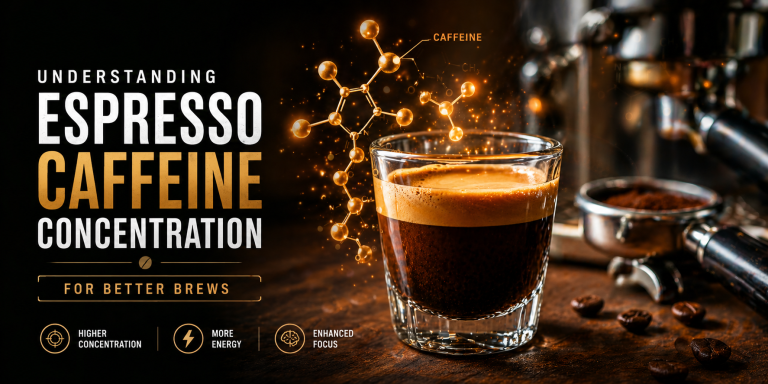
If you want high caffeine per cup of brewed coffee, cold brew is king. But remember, it’s usually diluted. A double shot espresso has about 125 mg of caffeine in 2 oz.
Real Customer Scenarios
Let’s look at three friends and their caffeine quests:
- Student Exam Prep
- Office Midday Slump
- Pre-Workout Boost
These cases show how caffeine in a cup of brewed coffee varies by method and serving size.
DIY Caffeine Calculator Checklist
Want to estimate your caffeine dose? Tick these off:
Mark each variable, and use the tables above to calculate your total caffeine.
Cost Breakdown per Cup
Let’s break down cost vs caffeine per ounce.
|
Item |
Cost per Cup |
Caffeine per Cup |
Cost per mg Caffeine |
|---|---|---|---|
|
Basic grocery drip coffee |
$0.15 |
95 mg |
$0.0016 |
|
Premium beans (single origin) |
$0.40 |
95 mg |
$0.0042 |
|
Cold brew concentrate |
$0.30 |
200 mg |
$0.0015 |
|
Espresso at café |
$2.50 |
63 mg |
$0.0397 |
You can see home-brewed options give the best coffee strength per dollar.
Timeline Expectations for Caffeine Extraction
How quickly does caffeine hit your cup?
If you steep cold brew for 12 hours, you’ll extract more caffeine than a 4-min French press.
Alternative Options Comparison
If you want less caffeine, consider:
|
Option |
Caffeine per Cup |
Pros |
Cons |
|---|---|---|---|
|
Decaf |
2–5 mg |
Near zero caffeine |
Some flavor loss |
|
Half-caff blend |
45 mg |
Balanced kick |
Harder to find |
|
Low-caffeine beans |
60 mg |
Natural option |
Limited roast profiles |
These help you stay within the daily caffeine limit of 400 mg recommended by health experts.
Expert Barista Tips & Common Mistakes
Want pro advice to nail your coffee strength?
Common mistakes: using stale beans, wrong temperature, uneven grind, and over-extraction.
Frequently Asked Questions
Q1. How much caffeine is in a standard 8-oz cup of brewed coffee?
About 95 mg on average, but it varies by method and bean.
Q2. Does darker roast mean less caffeine?
Light roasts can be stronger by volume because they’re denser.
Q3. How does grind size affect caffeine extraction?
Finer grind boosts extraction speed and increases caffeine yield.
Q4. Is cold brew stronger in caffeine than hot brew?
Yes—cold brew often has double the caffeine per cup due to long steep time.
Q5. Can I reduce caffeine without buying decaf beans?
Try a coarser grind, shorter brew time, or half-caff blends.
Q6. How long should I brew to maximize caffeine?
Aim for 4–5 minutes in French press, or steep cold brew 12 hours.
Q7. Does espresso always have more caffeine per ounce?
Espresso has more caffeine per ounce but less per serving than drip.
Ready to fine-tune your brew? Understanding caffeine content in brewed coffee helps you get exactly the kick you want. From bean choice to brew time, every step matters. Now go experiment—and enjoy your perfect cup!