A complete guide to café de olla, Mexican coffee regions, and brewing at home
Close your eyes for a moment. Imagine a clay pot on a stove. It is full of dark coffee, sweet piloncillo, and warm cinnamon. The smell fills the kitchen. That is Mexican coffee. It is simple. It is rich. And it is one of the best cups you will ever have.
Mexican coffee is more than a drink. It is part of daily life. It shows up at breakfast tables, family gatherings, and holiday feasts. It is tied to culture, history, and love. In this guide, we will explore what makes Mexican coffee so special. We will look at its roots, its regions, its flavors, and how you can make it at home.
Quick Fact: Mexico is one of the top 10 coffee producers in the world. Most of its beans are arabica, grown in high-altitude mountain regions like Chiapas, Veracruz, and Oaxaca.
What Makes Mexican Coffee Unique?
Mexican coffee stands apart from other Latin American coffees. It is not just the beans. It is how coffee is made, served, and shared.
Here is what sets it apart:
In Colombia or Brazil, coffee is often about the bean alone. In Mexico, the whole experience matters — the pot, the spice, the moment. It is a ritual, not just a routine.
A Brief History of Coffee in Mexico
Coffee came to Mexico in the late 1700s. Spanish colonists brought it from Cuba and the Caribbean. The first coffee plants were grown in Veracruz, along the Gulf Coast. The warm, humid climate there was perfect.
By the 1800s, coffee farming had spread to Oaxaca and Chiapas. Indigenous communities began growing coffee on small farms. They used traditional methods passed down through generations. Over time, they added local spices — especially cinnamon and piloncillo. That is how café de olla was born.
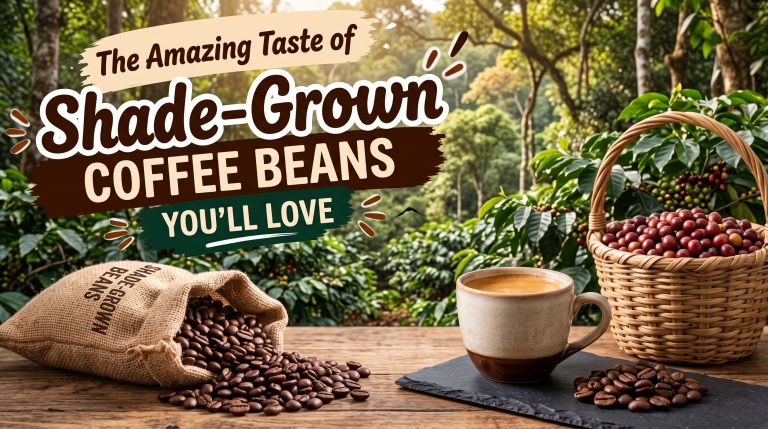
Today, Mexico has over 500,000 coffee farmers. Most are small-scale growers. Many use organic and shade-grown methods. This keeps the land healthy and the coffee rich in flavor.
Mexico’s Major Coffee-Growing Regions and Their Flavors
Mexico has several coffee regions. Each one has its own soil, altitude, and flavor. Let us look at the top four.
|
Region |
Flavor Profile |
Altitude |
Best Brew Method |
|---|---|---|---|
|
Chiapas |
Chocolate, citrus, mild acidity |
1,000–1,700m |
Pour-over, French press |
|
Veracruz |
Fruity, wine-like, bright |
900–1,400m |
Drip, espresso |
|
Oaxaca |
Earthy, complex, full body |
1,200–1,800m |
Café de olla, pour-over |
|
Puebla |
Smooth, nutty, light body |
800–1,200m |
Drip, cold brew |
Chiapas
Chiapas is Mexico’s top coffee-producing state. The beans grow at high altitude in cool, misty mountains. They are mostly arabica and often shade-grown under forest trees. The flavor is smooth, with hints of dark chocolate and citrus. Acidity is mild. It is easy to love, even for new coffee drinkers.
Veracruz
Veracruz is the oldest coffee region in Mexico. The Gulf Coast climate gives the beans a bright, fruity flavor. Some say it tastes a little like red wine — lively and bold. Veracruz coffee is great as an espresso or a simple drip brew.
Oaxaca
Oaxacan coffee is grown by small, Indigenous farms — many connected to Zapotec communities. The beans are full-bodied with a deep, earthy flavor. This region produces some of Mexico’s most complex and sought-after coffee. It pairs perfectly with the traditional café de olla brewing method.
Puebla and Other Emerging Regions
Puebla is a smaller region, but it is growing fast. The coffee here is smooth and nutty — great for those who like a lighter cup. Other regions like Guerrero and Nayarit are also gaining attention for their unique, small-batch single-origin Mexican coffee.
The Heart of Mexican Coffee — Café de Olla
If you only learn one thing about Mexican coffee traditions, make it this: café de olla is the soul of Mexican coffee culture.
Café de olla means “coffee from the pot.” It is brewed in a clay pot called an olla de barro. The clay is not just for looks. It adds a gentle, earthy tone to the drink. No paper filter. No machine. Just water, coffee, spices, and fire.
The classic ingredients are:
Some families add cloves, star anise, or a strip of orange peel. Every household has its own version. That is part of the beauty.
Real Story: Maria from Oaxaca makes café de olla every morning, just like her grandmother taught her. She uses a clay pot passed down through three generations. She says the secret is patience — never let it boil hard. Just let it whisper.
How to Make Authentic Café de Olla at Home
You do not need a clay pot to start. A regular saucepan works fine. Here is how to do it, step by step.
Step 1: Add 4 cups of water to your pot.
Step 2: Drop in 2 oz of piloncillo (or 3 tbsp of dark brown sugar as a substitute).
Step 3: Add 2 Ceylon cinnamon sticks. Bring to a gentle boil.
Step 4: Stir until the piloncillo fully dissolves. This takes about 3–4 minutes.
Step 5: Lower the heat. Add 4 tablespoons of coarsely ground dark roast coffee.
Step 6: Simmer gently for 5–8 minutes. Do not let it boil hard.
Step 7: Remove from heat. Let it rest for 2 minutes.
Step 8: Strain through a fine mesh strainer into a cup. Serve hot.
Optional additions: 2 cloves, 1 star anise, or a thin strip of orange peel for extra depth.
Pro Tip: Use coarse-ground beans, not fine. Fine grinds make the coffee muddy and bitter. A French press grind is perfect for café de olla.
Key Ingredients That Define Mexican Coffee Flavors
Piloncillo — Mexico’s Unrefined Sugar
Piloncillo is raw cane sugar shaped into a hard cone. It has a rich, caramel-like flavor with a hint of molasses. It is very different from white sugar — it adds depth, not just sweetness. You can find it at most Latin grocery stores or online. If you cannot find it, dark brown sugar is the closest swap, but the real thing is worth finding.
Ceylon Cinnamon vs. Cassia Cinnamon
This one surprises most people. Mexico uses Ceylon cinnamon, also called “true cinnamon.” It is soft, light, and mildly sweet. Cassia cinnamon — the kind sold in most supermarkets — is harder and much stronger. It can overpower the coffee. For authentic Mexican coffee flavors, always look for Ceylon cinnamon sticks.
Dark Roast Arabica Beans
Traditional café de olla uses a dark roast. The bold, slightly bitter flavor of dark roast balances the sweetness of piloncillo perfectly. Single-origin Mexican arabica beans from Chiapas or Oaxaca are ideal. They bring out the best of the spices without fighting them.
Beyond Café de Olla — Other Mexican Coffee Traditions
Café de Olla con Leche
In northern Mexico and at many breakfast tables, café de olla is mixed with warm milk. It becomes creamy and mild — a bit like a spiced latte, but homemade and much more soulful. Children often drink a smaller version with more milk and less coffee.
Iced and Cold Brew — Modern Mexican Twists
Mexico’s younger generation is blending old and new. Specialty cafés in Mexico City and Guadalajara now serve cold brew made with Chiapas beans, topped with cinnamon syrup or piloncillo cold foam. It is a nod to tradition with a modern twist. The Mexican coffee scene is one of the most creative in Latin America right now.
Coffee in Mexican Celebrations
Coffee plays a big role in Mexican holidays and rituals. On Día de los Muertos, a cup of café de olla is often placed on the altar as an ofrenda — an offering for loved ones who have passed. During posadas (Christmas celebrations), hot café de olla is served alongside ponche, a warm fruit punch. At quinceañeras and weddings, coffee is part of the welcome.
How to Pair Mexican Coffee with Food
Mexican coffee goes well with many foods. The spiced, sweet notes in café de olla make it a great match for both sweet and savory bites.
The rule of thumb: if it is served at a Mexican breakfast table, it probably goes well with café de olla.
How to Buy Authentic Mexican Coffee
Not all bags labeled “Mexican coffee” are the same. Here is what to look for:
You can find quality Mexican coffee at Latin grocery stores, specialty coffee shops, or through online retailers that focus on direct-trade and small-batch roasters.
Common Mistakes When Making Mexican Coffee (And How to Fix Them)
|
Mistake |
Why It Happens |
Fix |
|---|---|---|
|
Boiling too hard |
Rushing the brew |
Simmer gently — never a rolling boil |
|
Using cassia cinnamon |
It looks the same |
Buy Ceylon cinnamon sticks from Latin stores |
|
Fine-ground coffee |
Using espresso or regular grind |
Use coarse grind — like French press |
|
Skipping the rest time |
Impatience |
Let it sit 2 min off heat before straining |
|
Using white sugar |
No piloncillo available |
Use dark brown sugar as a backup |
|
Over-steeping |
Leaving coffee in too long |
8 minutes max, then strain immediately |
Frequently Asked Questions About Mexican Coffee
Q: What is café de olla? A: Café de olla is a traditional Mexican coffee drink brewed in a clay pot. It is made with dark roast coffee, piloncillo (unrefined cane sugar), and Ceylon cinnamon sticks. It is slow-simmered and served hot. The clay pot adds an earthy depth that you cannot get from a drip machine.
Q: Is Mexican coffee strong? A: It depends on how you make it. Traditional café de olla uses a dark roast, so it has bold flavor — but the piloncillo and cinnamon mellow it out. Most people find it rich and smooth, not harsh or overpowering.
Q: What kind of coffee do Mexicans drink every day? A: Most Mexicans drink café de olla at home, especially in the mornings. In cities, instant coffee (like Nescafé) is also very common. Younger urban Mexicans are increasingly drinking specialty pour-over or cold brew from local cafés.
Q: Can I make café de olla without a clay pot? A: Yes, absolutely. A regular saucepan works perfectly. The clay pot does add a subtle earthy flavor, but the cinnamon and piloncillo do most of the heavy lifting. A saucepan café de olla is still far better than any instant mix.
Q: What does piloncillo taste like? A: Piloncillo tastes like raw, unrefined sugar with hints of caramel, molasses, and toffee. It is deeper and more complex than white sugar. It adds real warmth to the coffee, not just sweetness.
Q: Is Mexican coffee good for pour-over or French press? A: Yes! Single-origin beans from Chiapas or Veracruz work beautifully in a pour-over or French press. The fruity, chocolate, and earthy notes come through very clearly with these methods. They are great for home baristas who want to explore Mexican coffee flavors without the spices.
Final Thoughts
Mexican coffee is not just a beverage. It is a window into a culture built on warmth, patience, and flavor. From the high-altitude farms of Chiapas to the clay pots of Oaxacan kitchens, every cup tells a story.
You do not need to travel to Mexico to taste it. Grab some piloncillo, a few Ceylon cinnamon sticks, and a bag of good Mexican arabica beans. Follow the steps above. Give it eight minutes of gentle simmering. Then sit down with that cup and let it take you somewhere warm.
That is what Mexican coffee traditions are all about.