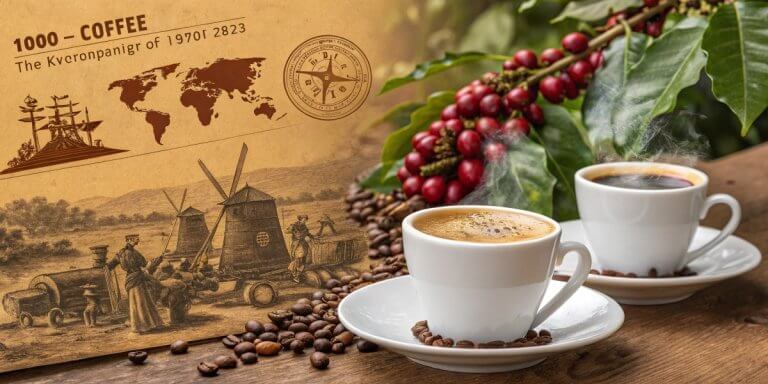
Have you ever taken that first sip of coffee in the morning and wondered exactly what makes it taste so darn good? If you’re curious about the arabica bean flavor profile, you’re in the right spot. This article will help you explore everything from where these beans come from, how they get their distinct taste, and how you can brew them at home in a way that suits your preference. By the end, you’ll know how to experience the boldness of Arabica flavors every day and impress your friends with some coffee know-how.
Understand the arabica bean journey
Arabica beans are among the most popular coffee varieties worldwide. Why? They offer a smooth, approachable taste that many coffee lovers find amazingly balanced. Arabica plants thrive in higher elevations and cooler climates, which affects how the beans develop flavor. You get a coffee that’s often mellow, sometimes sweet, and frequently layered with hints of fruit or chocolate.
Unique growing conditions
Arabica beans flourish in volcanic soils and mountainous terrain. The altitude, temperature, and soil composition all contribute to their taste. In these cooler climates, the beans mature more slowly, allowing their sugars to develop fully. That slow process is like letting a steak marinate for hours—it deepens the flavor. You’ll notice delicate notes of berries or citrus, which set Arabica apart from some other types of beans that might be heavier or more earthy.
Path from farm to cup
This entire journey influences your arabica bean flavor profile. Each step, from growing altitude to fermentation, adds another layer that you’ll soon appreciate.
Discover the flavor characteristics
Maybe you’ve heard that Arabica coffee tastes “fruity” or “bright,” but that can feel vague if you haven’t experienced it yourself. Arabica is typically lighter and more nuanced than Robusta, which is often bolder and more bitter. Most Arabica coffees have a pleasant acidity that gives them a crisp, fresh finish—some folks taste it like wine. You might also detect sweet undertones, possibly caramel or honey, depending on the origin.
Sweetness and acidity
Balance is the name of the game for Arabica beans. You’ll often sense a subtle sweetness that can range from sugary to floral. The acidity can be tangy or even lemony, which keeps things lively. If you’re used to heavier coffees, this brightness might be a refreshing change of pace.
Aroma comes first
Ever notice how your nose can tell you whether you’ll like a cup of coffee before you even taste it? Aroma is a huge part of flavor perception. Arabica’s fragrance can be flowery, fruity, or even nutty. Take a moment to sniff your coffee before sipping—it’s like reading the introduction of a great book.
Choose the right roast
Roasting plays a huge role in highlighting or muting an arabica bean flavor profile. Lighter roasts preserve those fruity, floral notes, while darker roasts bring out chocolatey, caramelized flavors.
Light roasts
Medium roasts
Dark roasts
Experiment with different roast levels. You might love the tangy brightness of a light roast or the richer punch of a dark roast. It’s a bit like choosing between a fruit sorbet or a fudge brownie—you can love both, but they scratch different flavor itches.
Explore popular origins
The same bean variety can taste worlds apart depending on where it’s grown. Here’s a quick snapshot of some well-known regions for Arabica beans.
| Region | Flavor Profile Highlights |
| Ethiopia | Floral, fruity, sometimes tea-like |
| Colombia | Balanced, mild acidity, nutty, sweet |
| Brazil | Low acidity, chocolatey, nutty |
| Kenya | Bright, tangy, berry-like notes |
| Guatemala | Cocoa undertones, slightly spicy |
By sampling beans from different countries, you’ll find your favorite flavor quirks. It’s almost like traveling the globe without leaving your kitchen.
Learn ideal brewing methods
Brewing is where your journey gets personal. The same beans can taste quite different depending on how you brew them. If you’re aiming to fully experience that Arabica taste, pay attention to grind size, water temperature, and contact time.
Pour-over approach
Pour-over coffee is all about control. You heat water to around 200°F, use a medium-fine grind, and pour slowly in circular motions over the grounds. This method extracts all those subtle floral and fruity notes, especially if you’re using a lighter roast. The result is a clean, delicate cup that showcases the best of your arabica bean flavor profile.
French press style
French press coffee tends to accentuate mouthfeel because the metal filter allows more of the coffee’s natural oils to stay in the cup. You’ll pick up on richer, fuller flavors, which works nicely for medium or dark roasts. It’s a bit simpler than pour-over—just coarsely grind your beans, pour hot water, let it steep for four minutes, and press down.
Espresso shot
If you love intensity, espresso is the way to go. The high pressure and short brew time concentrate aromas and flavors. A well-pulled shot of Arabica can yield a sweet, syrupy texture with a gorgeous crema on top. This method highlights the roast level’s nuances, so if you enjoy big, bold flavors, a darker roast Arabica might be perfect for espresso.
Master the details at home
Sure, professional baristas use fancy machines, but you can still brew a top-notch cup in your own kitchen.
- Weigh your beans: You’ll want about 1 tablespoon (roughly 5-6 grams) per 6 ounces of water. Over time, you’ll figure out your personal ratio.
- Grind just before brewing: Coffee stales quickly once ground, so keep your beans whole until you’re ready to brew.
- Use filtered water: Minerals in tap water can alter the coffee’s taste. If you don’t like the flavor of your tap water, your coffee will likely suffer.
- Mind water temperature: Aim for 195°F to 205°F in most brewing methods. Going too hot risks scalding your grounds, and cooler water can lead to under-extraction.
- Taste and tweak: If your coffee tastes sour, try a finer grind or slightly hotter water. If it’s bitter, do the opposite.
Pair your coffee for extra enjoyment
Coffee pairing isn’t just for fancy cafés. When you match the right snack with your cup, it can highlight certain flavor aspects of your Arabica beans.
Sweet treats
Savory bites
It’s all about experimenting. Pairing is a fun way to make your coffee break feel a little more special.
Recognize freshness and storage tips
You wouldn’t leave fresh produce lying around for weeks, right? The same logic applies to coffee beans. Freshness is a major factor in maintaining a consistent arabica bean flavor profile.
Quick freshness tips
Ground coffee deteriorates faster than whole beans, so the sooner you brew after grinding, the better your flavor payoff. If you have leftover grounds, consider using them quickly or repurpose them (like in the garden for acid-loving plants).
Avoid common coffee mistakes
Sometimes, your coffee just doesn’t taste right. Here are a few pitfalls that might sabotage your mug.
- Using stale beans: Old beans yield flat, dull coffee. Check the roast date when purchasing.
- Incorrect grind size: Too fine can muddle the flavors, too coarse will leave you with a weak cup.
- Default brewing temperature: Water that’s too hot or not quite hot enough can cause sour or bitter notes.
- Storing beans improperly: Heat, light, and moisture degrade beans quickly, so keep them sealed.
- Neglecting equipment cleanup: Residue from previous brews can taint your fresh coffee. Wash thoroughly.
If you tackle these issues head-on, you’ll find your coffee game improves dramatically.
Uncover hidden tasting tricks
You don’t need a barista certificate to slow down and taste coffee more mindfully. Simple steps can help you pick up on flavors you never noticed before.
Start with the aroma
Take a quick whiff of your coffee while it’s still steaming. Are you smelling something floral, spicy, or maybe even caramel-like?
Sip and swirl
Take a small sip and let it spread across your tongue. Pay attention to the initial taste and any lingering aftertaste. You might notice different flavors at the front of your mouth versus the back.
Compare notes
If you brew a few Arabica varieties side by side, take notes. Which one is more acidic? Do you taste more sweetness in the Colombian cup than the Ethiopian one? Doing a mini tasting at home can be a blast with friends or family.
Embrace sustainable choices
Because Arabica beans often grow in mountainous regions, sustainability practices are essential for the environment and farming communities. By choosing coffee labeled Fair Trade or Rainforest Alliance, you help ensure farmers get proper wages and that the land is cared for responsibly.
Why it matters
When you’re savoring that rich Arabica sip, it feels even better knowing you’re supporting the planet and the people behind your cup.
Expand your coffee horizons
Coffee is a global community, and there’s no single way to enjoy it. Whether it’s Turkish coffee boiled in a traditional cezve or a meticulously measured pour-over in a hip café, Arabica beans adapt beautifully. You might even try cold brewing your Arabica grounds overnight to create a smooth, naturally sweet concentrate perfect for iced coffee.
Ideas to try next
The more you play and experiment, the deeper your appreciation grows for Arabica beans.
Share your new knowledge
Once you’ve discovered your favorite arabica bean flavor profile, don’t keep it to yourself. You can transform a casual coffee chat into an in-depth lesson on origins, roasts, and brewing styles. Trust me, your friends will be impressed. You might even host a small coffee tasting party. Provide at least two or three different beans, brew them up in separate methods, and let your guests describe the flavors they pick up.
Conversation starters
By sharing tips, you help inspire others to enjoy their coffee on a whole new level.
Key takeaways and next steps
Give a quick tweak to your usual routine. Maybe try a medium roast from a region you’ve never had, or switch to a pour-over method if you’ve been loyal to your drip machine. Small changes can unveil a whole new side of Arabica that you never knew existed.
So go on, explore the bold arabica bean flavor profile and brew up a cup that speaks to your taste buds and your sense of adventure. After all, coffee is more than just a beverage, it’s an everyday ritual that should be savored to the last drop. Enjoy your journey, and don’t forget to share your discoveries with fellow coffee fans who are eager to make their mornings taste even better.